Farne Islands — A Wildlife Odyssey
A Final Morning in Northumberland
It was my final morning in Northumberland, and I’ll admit I was a little bog‑eyed from an early rise and perhaps a moderate consumption of red wine the night before. The skies were blue, the sun was out, and I felt that familiar mix of excitement and melancholy - the last photo day of a trip that had exceeded every expectation.
Today was different. No tripod. No Hasselblad. No landscape compositions requiring three hours of existential contemplation. Just the Sony A6700 and a modest 75–300mm lens. I was going wildlife hunting - on a boat. What could possibly go wrong?
Seahouses: A Harbour With History (and Mild Chaos)
Seahouses is one of those places that looks peaceful until you get close enough to hear the commotion. Historically, it was a major centre for lime export and fishing - herring, in particular, dominated the harbour’s trade in the 19th century. The village grew around the industry, and the harbour became the lifeline for the Farne Islands, supplying the lighthouse keepers and ferrying goods across the choppy North Sea.
Today, it’s best known as the gateway to the Farnes - and the scene of my morning’s first adventure.
When I arrived at the ticket office, the place was in full‑blown chaos. A large group of baby boomers had descended en masse, each clutching their own individually booked ticket instead of arranging a group booking. The staff were valiantly trying to keep order while juggling three boat departures.
I’ll confess, I felt a flicker of smugness watching the confusion unfold. That smugness lasted about twelve seconds. A ticket‑office lady beckoned me over, glanced at my ticket, then at me, and asked whether I’d booked my adult ticket separately. I stared back, confused. She pointed at the ticket and said, “This is a child’s fare.”
I apologised, offered to pay the difference, but she was too overwhelmed by the boomer swarm to care. She waved me through. A cheap boat ride, but my smugness had evaporated.
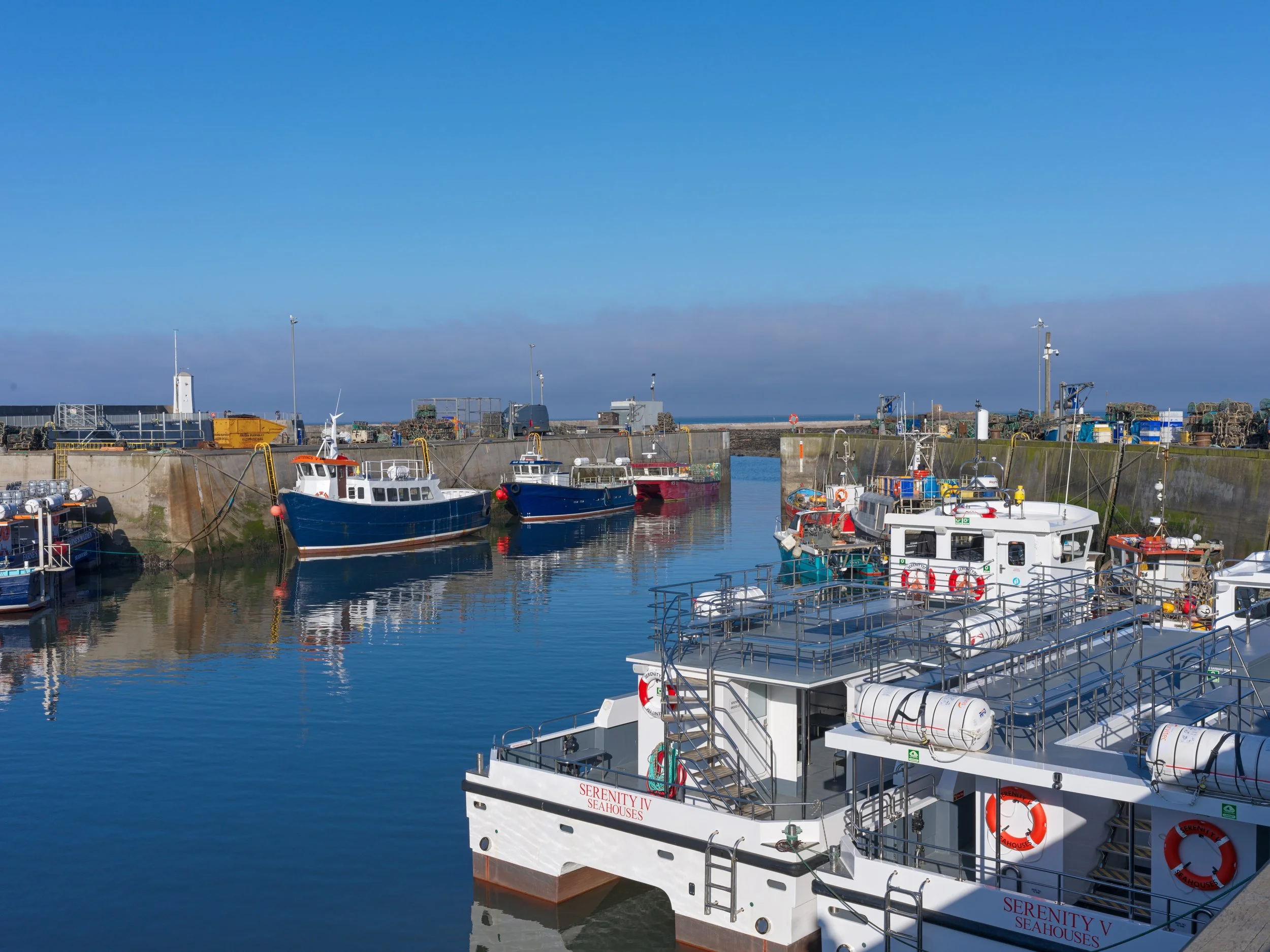
Seahouses Harbour
The Lifeboat Station — A Quiet Sentinel
Before retreating from the chaos, I wandered past the Seahouses Lifeboat Station. The doors were wide open, revealing the main lifeboat inside — a gleaming, powerful vessel built for the worst the North Sea can throw at it. Outside sat a rigid inflatable boat (RIB) on a trailer, ready for rapid launch.
Seahouses has had a lifeboat since the late 1800s. Over the decades, its crews have launched into storms, fog, and freezing seas to rescue fishermen, sailors, and the occasional over‑confident tourist. Today it’s run entirely by volunteers who drop everything - work, dinner, sleep - the moment the pager goes off.
It makes you wonder: what kind of person hears that alarm and runs towards the sea rather than away from it?
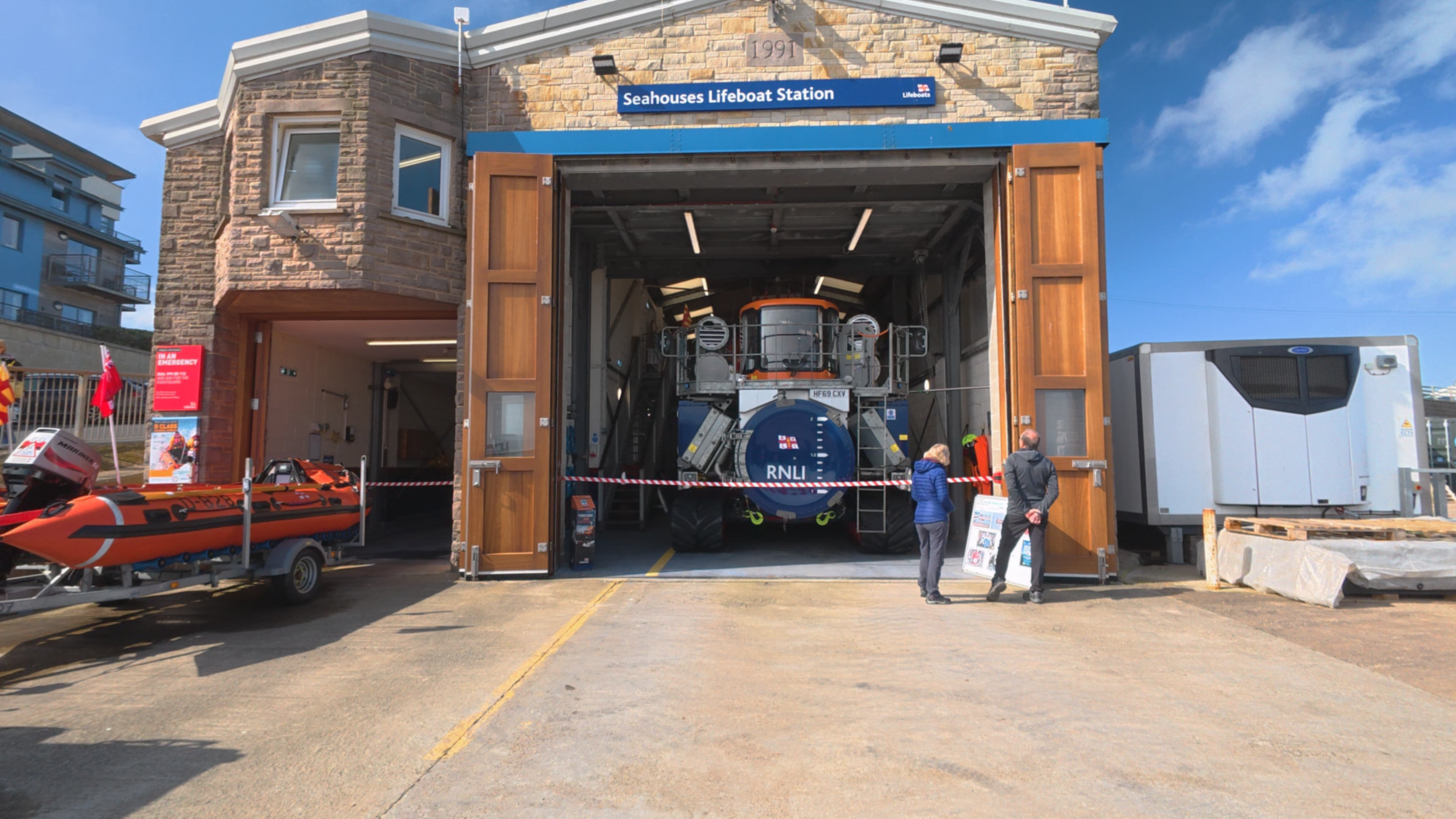
Seahouses Lifeboat Station (doors open)
Coffee, Boomers, and Boarding the Boat
With ticket in hand, I retreated to buy myself a coffee - partly to wake myself up, but mostly to avoid the scrum of baby boomers that had amassed around the harbour. There’s something oddly calming about standing quietly with a paper cup while chaos unfolds around you.
Once the crowd began to shuffle toward the boats, I joined the procession - swept along in a tide of waterproof jackets, backpacks, and enthusiastic chatter. I quietly shared their excitement, like a schoolboy about to embark on a field trip as he climbed on the coach.
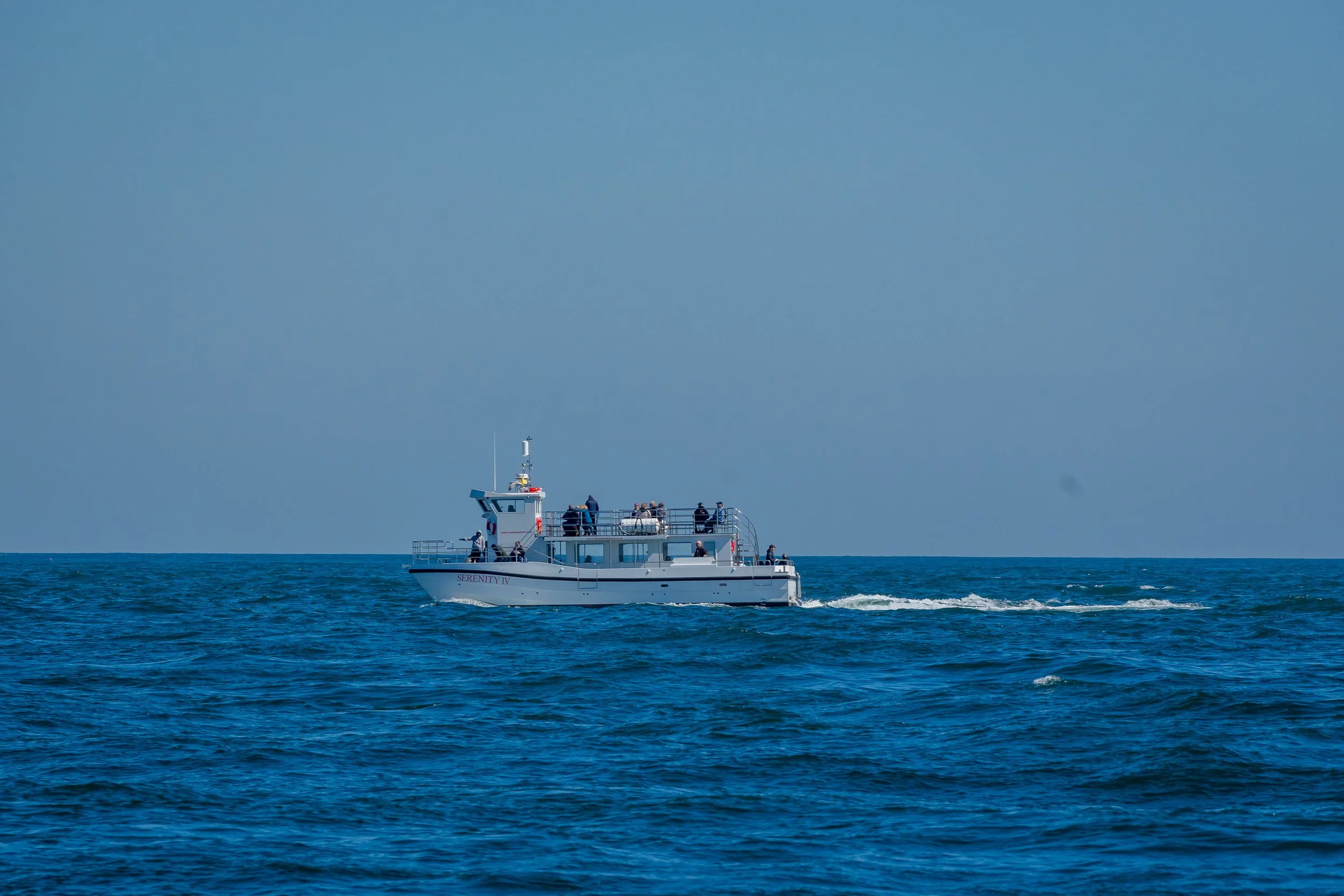
Once aboard the boat, I managed to grab the perfect seat: outside, right at the front. Ideal for video, photos, and pretending I knew what I was doing.
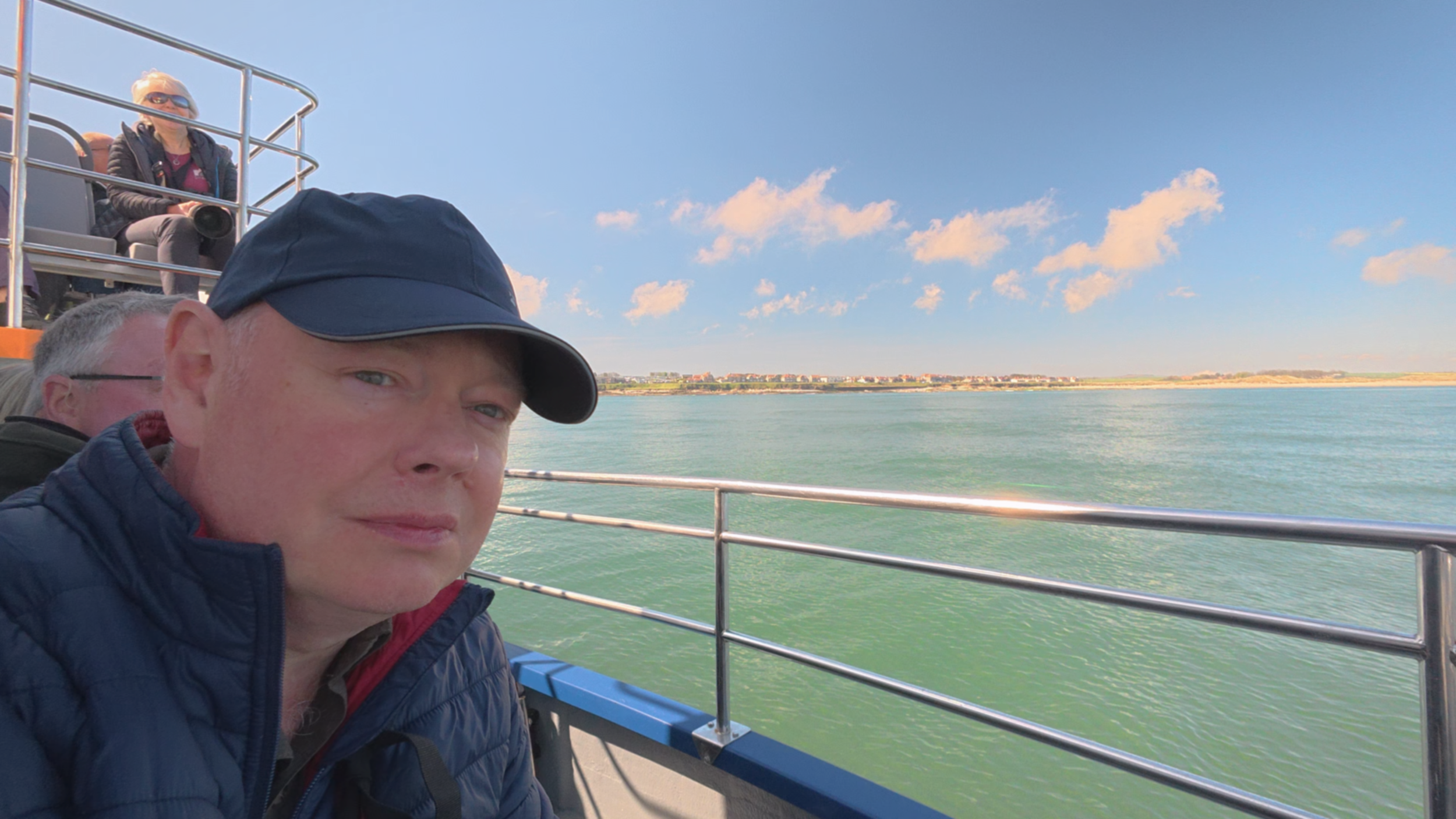
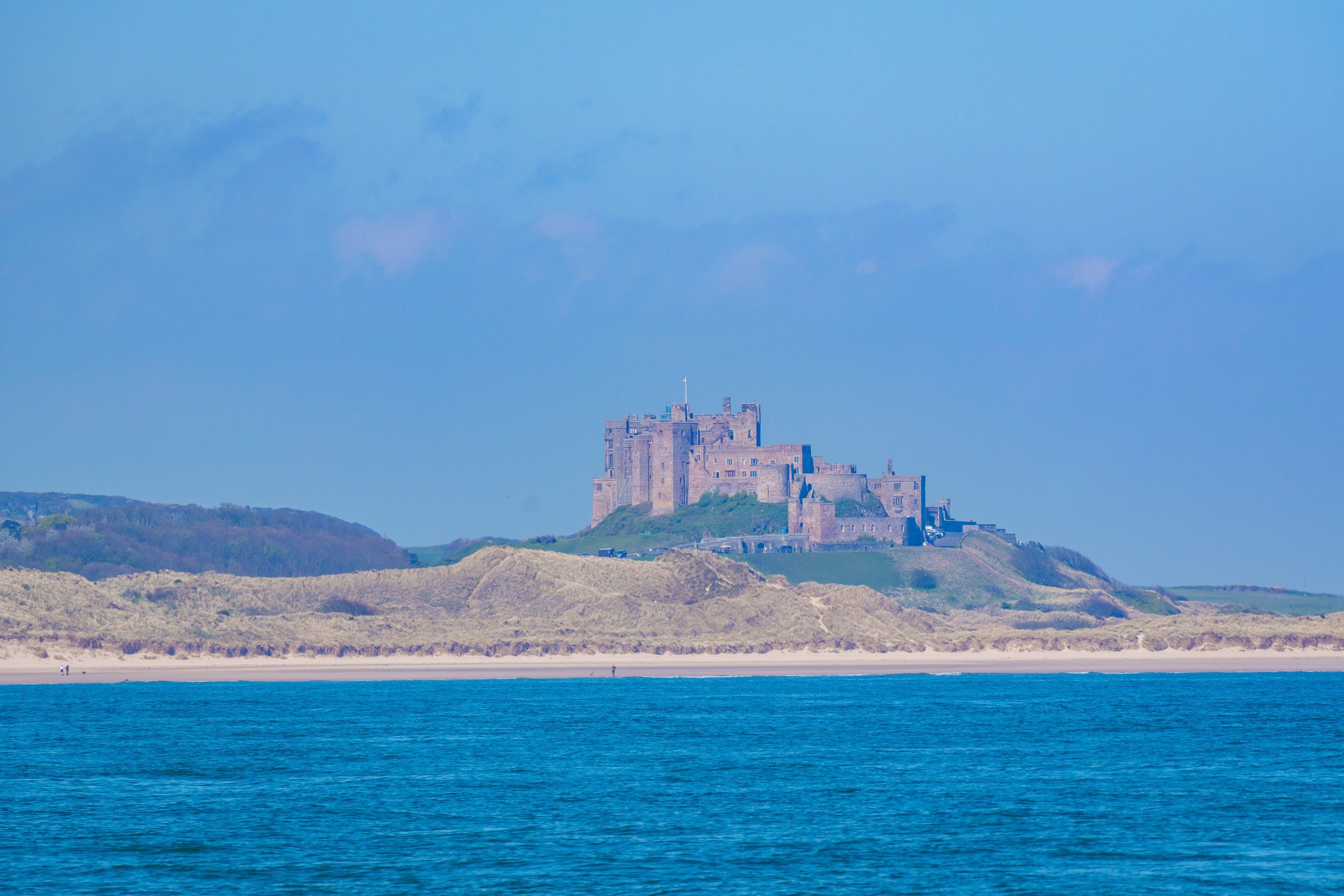
Bamburgh in the distant sun
The Crossing — Glistening Seas and Panoramic Views
As the boat pulled away from the harbour, the sea glistened under the morning sun. The water broke cleanly around the bow, sending ripples of silver across the surface. Behind us, the mainland glowed — Bamburgh Castle rising proudly above the dunes, Budle Bay stretching out in tranquil curves.
There’s something magical about watching the coastline shrink behind you while the islands grow ahead. It’s the kind of moment that makes you ask: why don’t I do this more often?
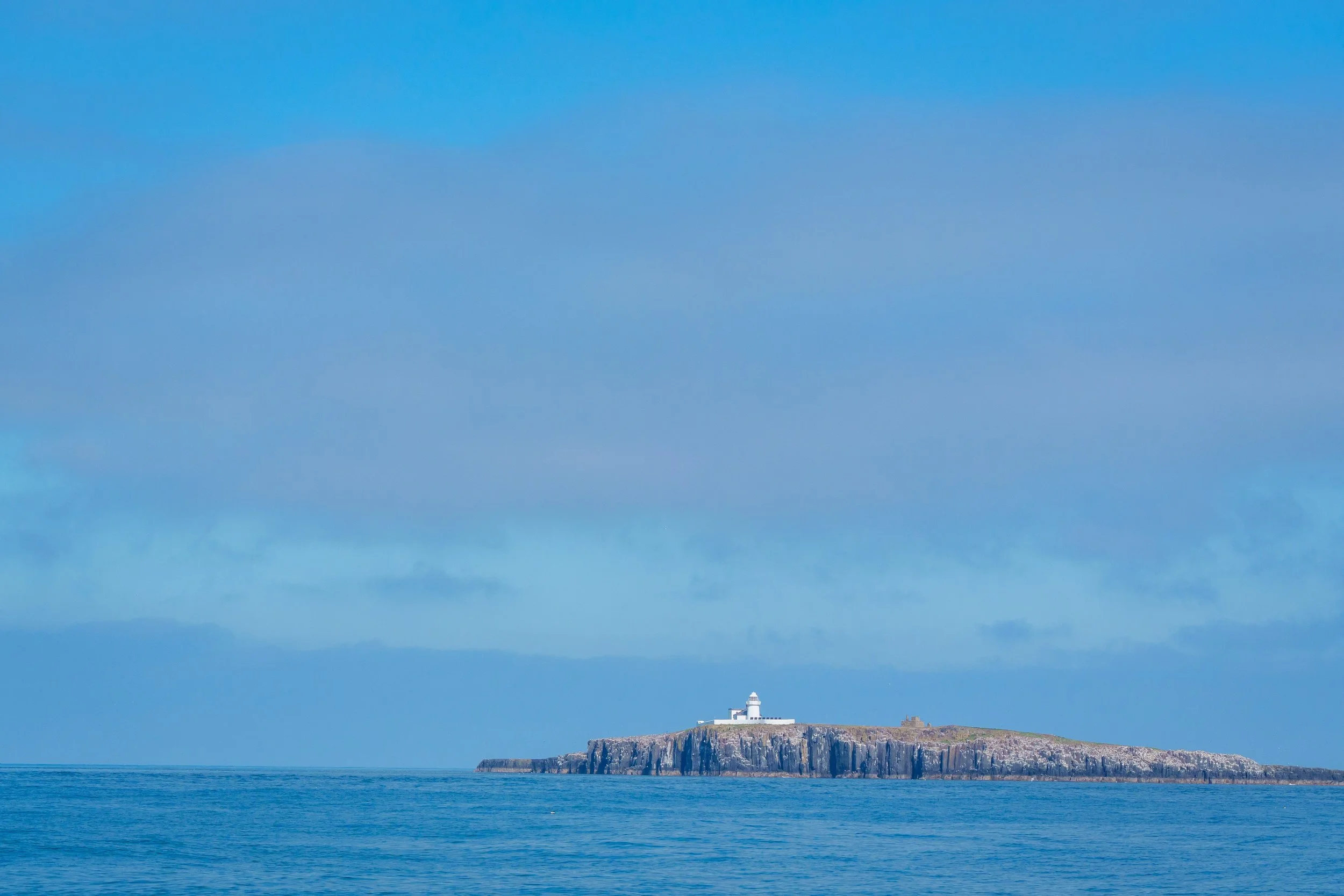
Inner Farne Lighthouse — A Beacon Through Time
Our first landmark was the white lighthouse on Inner Farne. Built in 1810, it’s a gleaming tower with attached keeper’s cottages and a perimeter wall, all painted the same bright white that seems to glow in the morning sun.
For most of its life, the lighthouse was tended by keepers who lived in near‑monastic isolation. They endured storms, loneliness, and the occasional invasion of puffins. Today it’s automated, but the sense of history remains — especially with the medieval remains of St Cuthbert’s retreat perched nearby.
Rocky Islets and Camouflaged Egrets
The boat swung outward, passing a small rocky islet. At first glance it looked empty, but then the egrets revealed themselves - perfectly camouflaged against the dark volcanic rock and mosses. They stood motionless, like white punctuation marks on a rugged sentence.
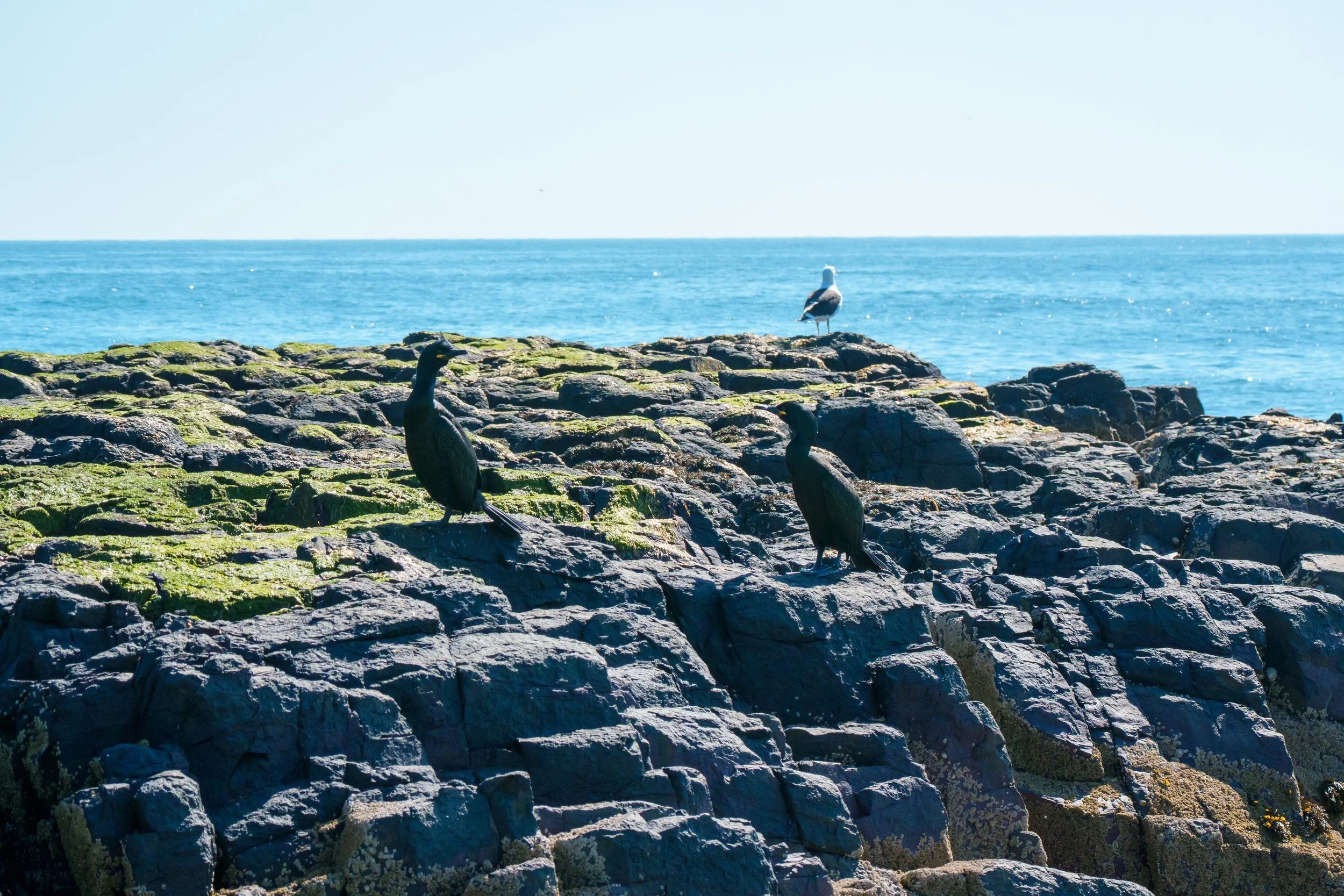
Egrets on rocky islet
Bird City - The Two‑Tone Cliffs
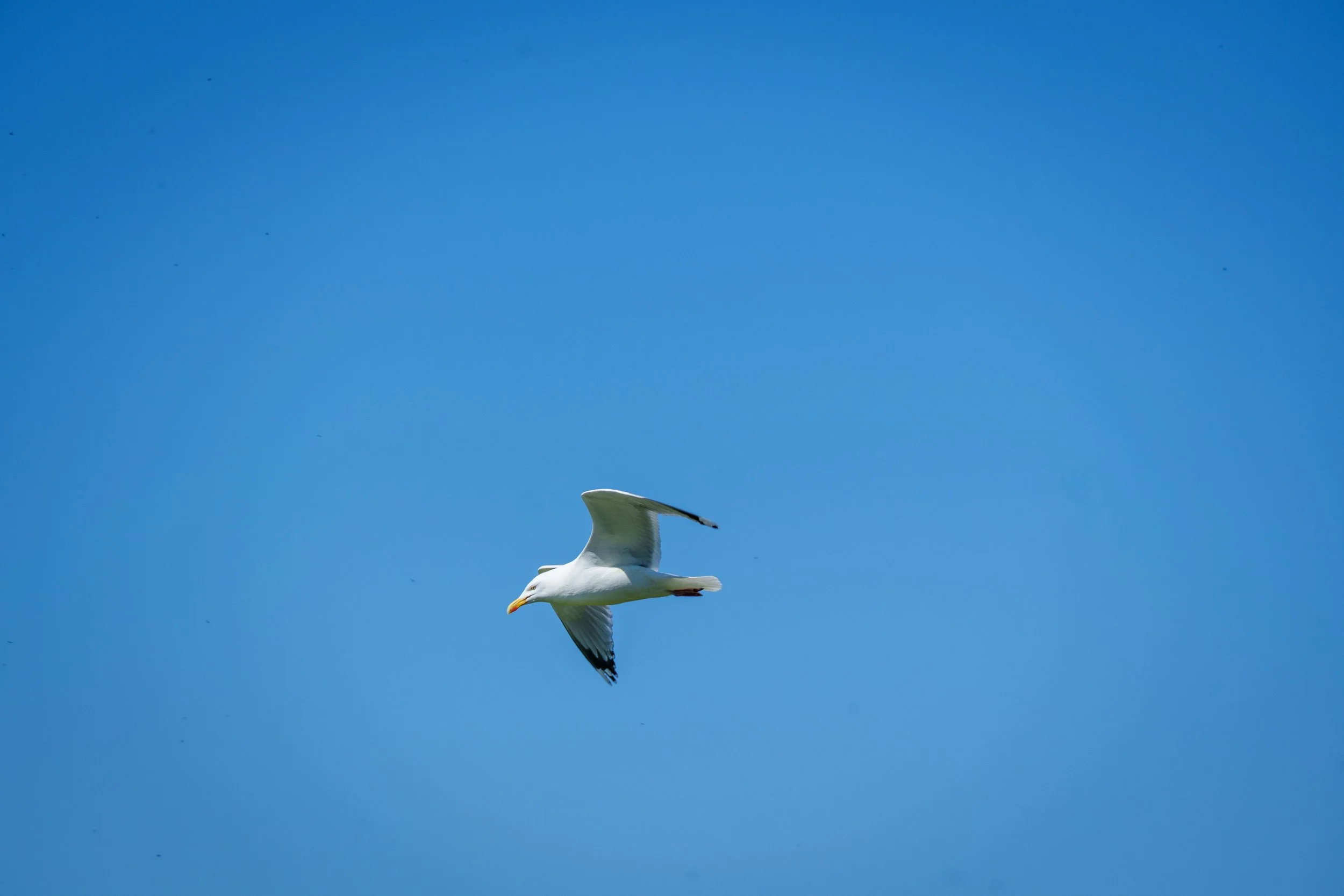
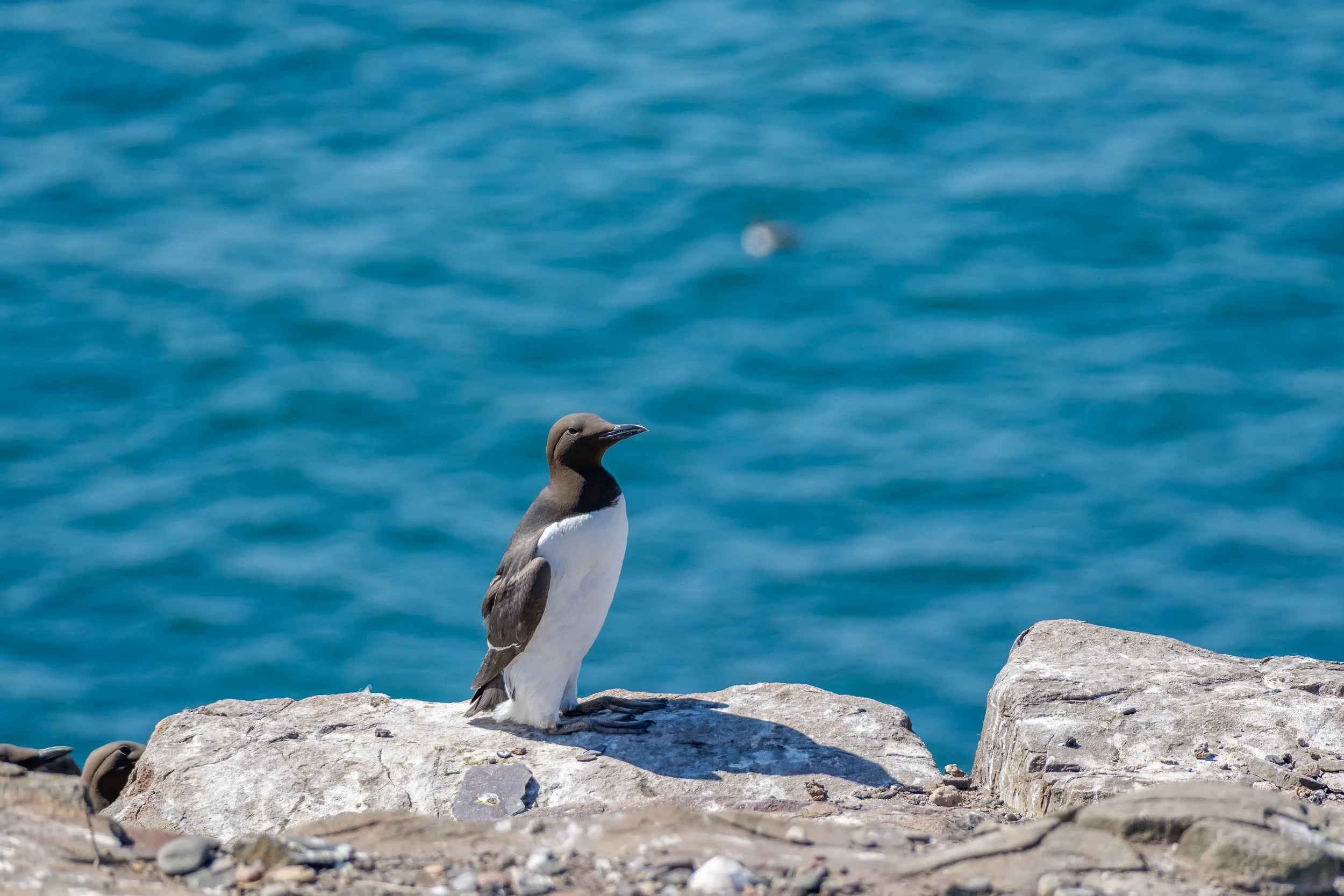
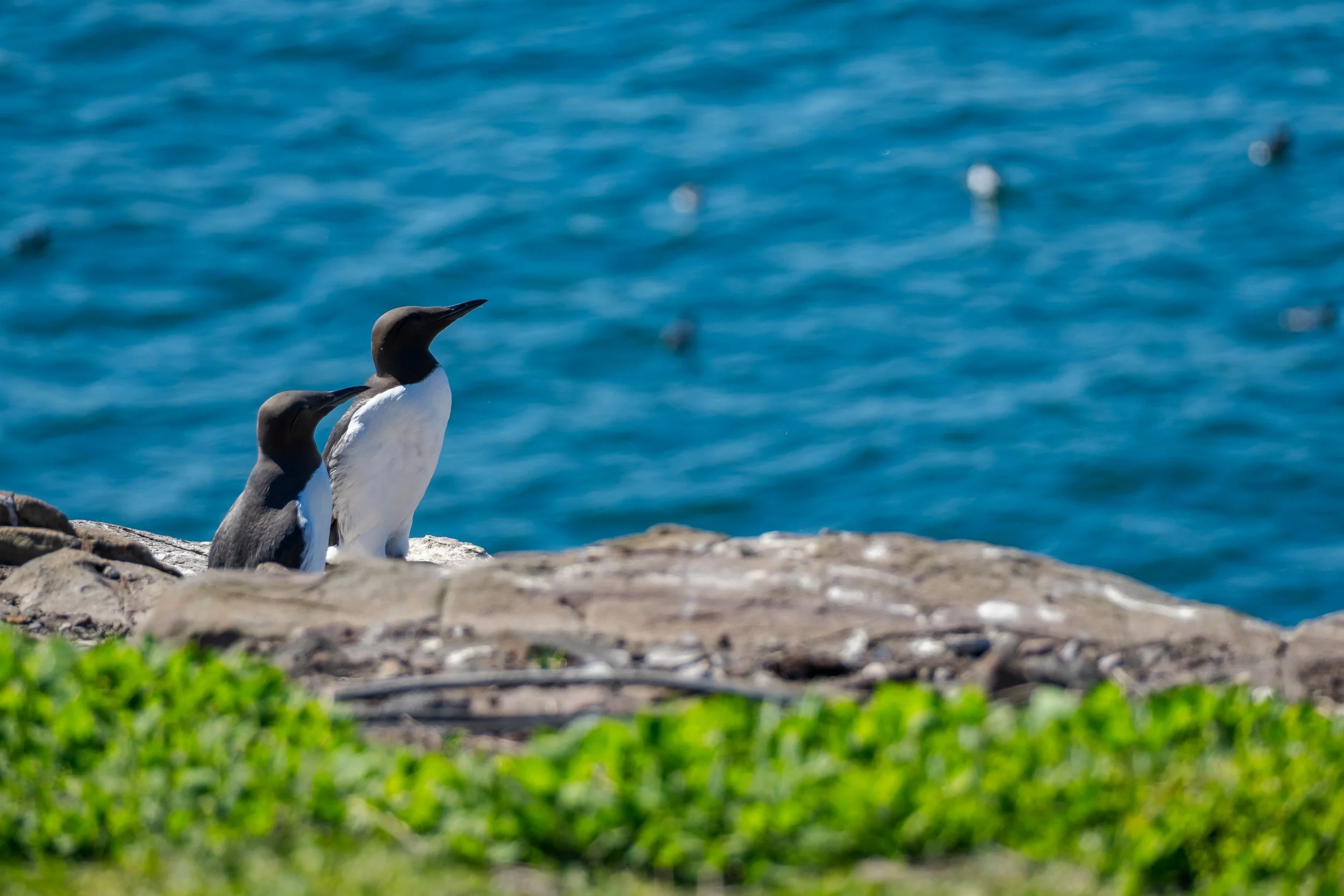
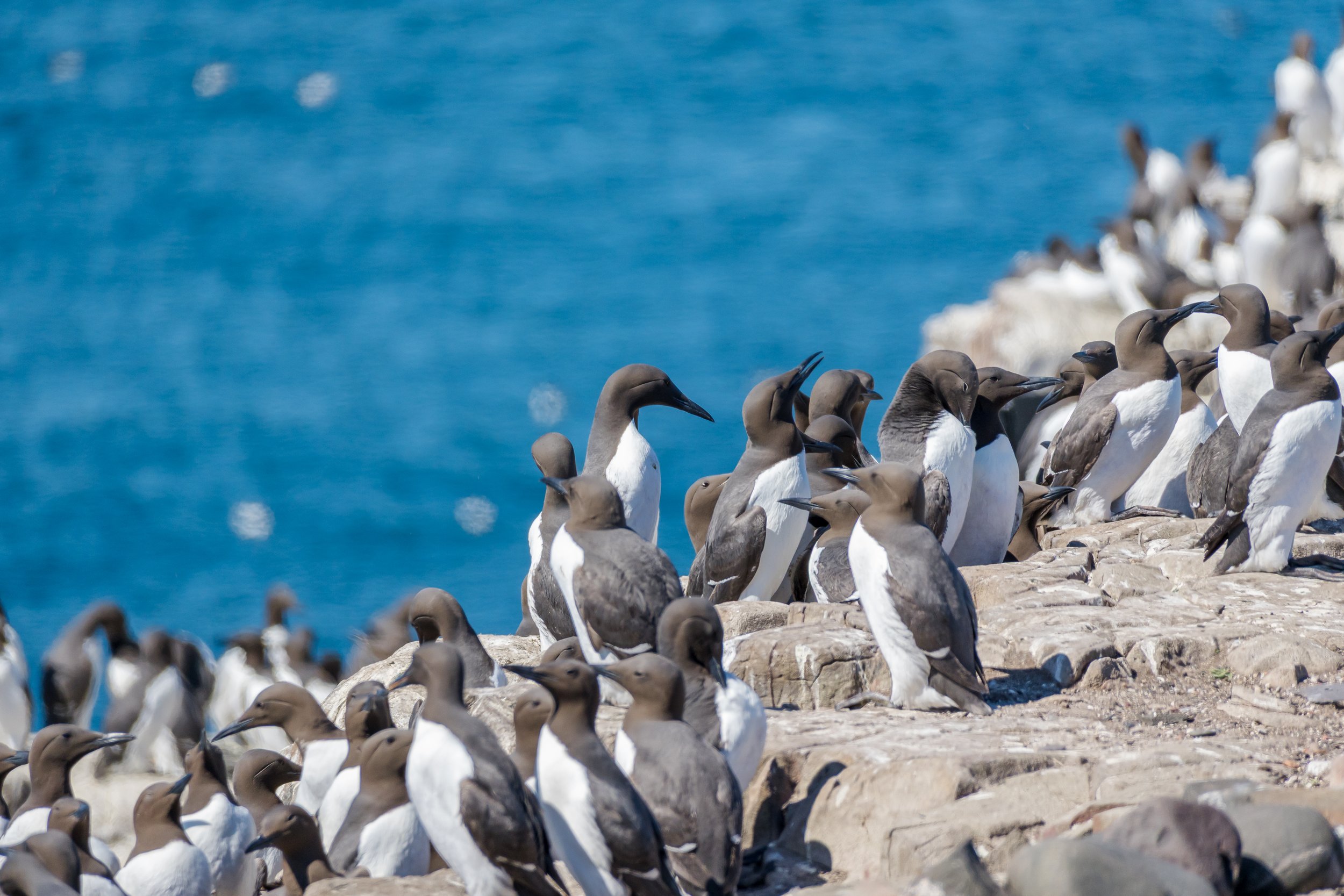
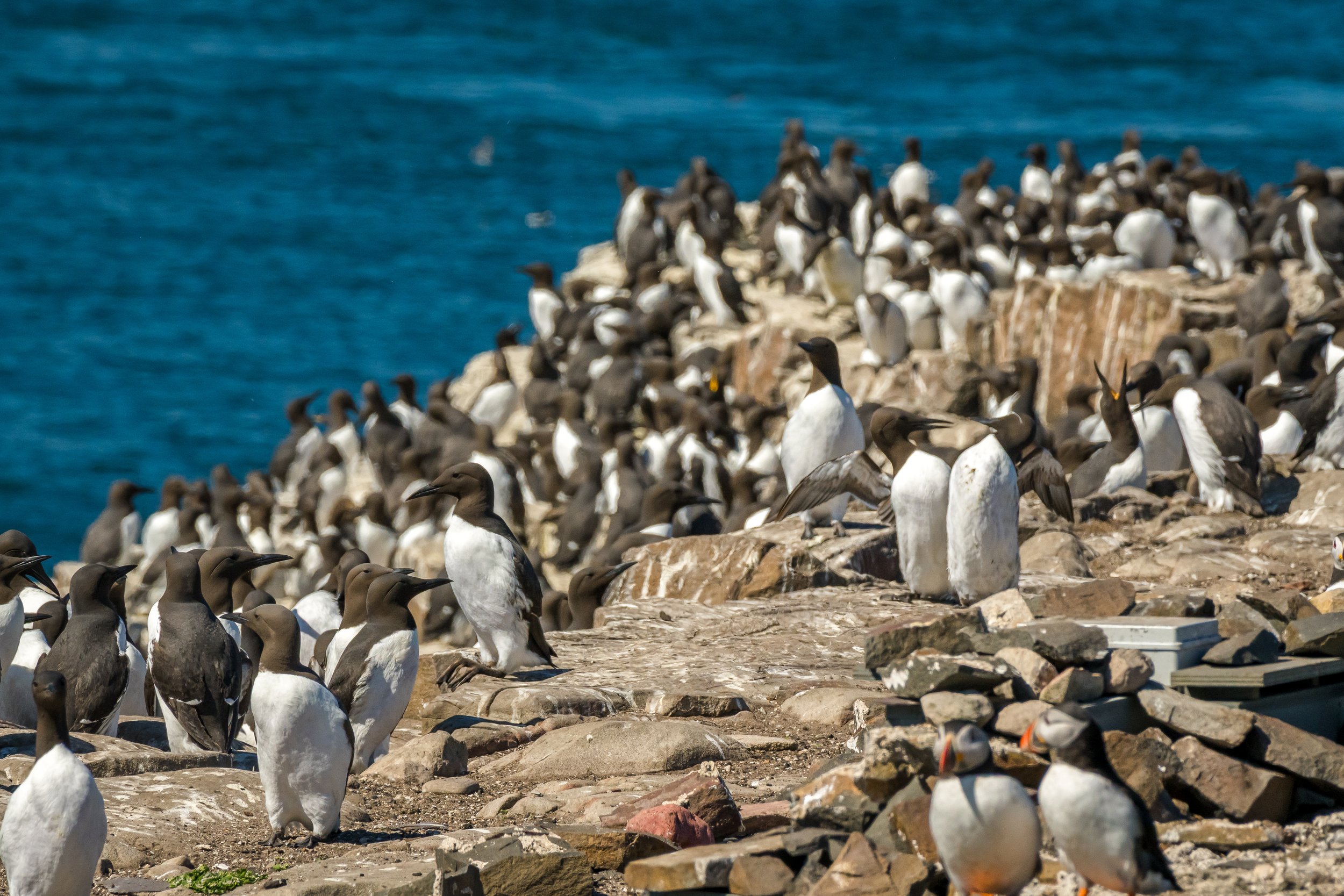
We soon reached a larger islet with striking two‑tone cliffs: sandy colours below, dark slate grey above. It was absolutely teeming with life. Thousands of guillemots, puffins, shags, kittiwakes, and terns churned the air in chaotic, noisy swarms.
The Farnes are made of dolerite — hard volcanic rock forced up through the Earth’s crust around 300 million years ago. Erosion carved these dramatic ledges that now host one of the most important seabird colonies in the UK.
I took dozens of photos, temporarily forgetting the future horror of culling them. Out‑of‑focus shots, misfires, random rocks, birds that turned out to be distant dots — all the usual joys of wildlife photography.
These cliffs reveal their volcanic origins in two distinct layers of dolerite — a pale, weather‑worn base topped by darker, tougher rock formed from ancient magma. Together they create the dramatic ledges that now host thousands of nesting seabirds.
St Cuthbert’s Hermitage — A Quiet Watcher
As we circled around, St Cuthbert’s Hermitage appeared in the distance — a small stone building that has watched over these islands for centuries. Cuthbert himself lived here in the 7th century, seeking solitude, prayer, and presumably a break from the mainland’s politics.
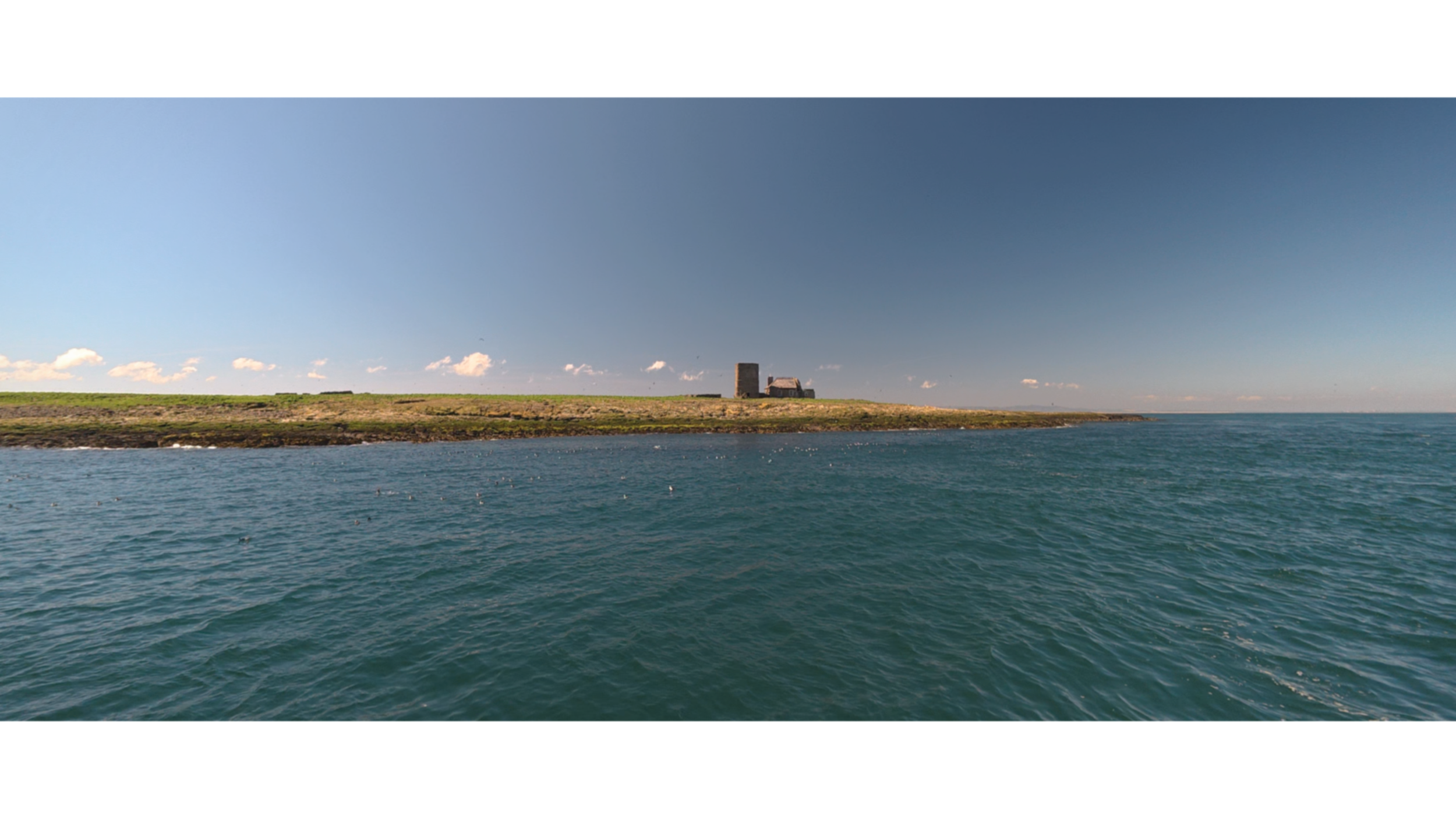
Distant view of St Cuthbert’s Hermitage
The Seals — Sunbathers of the North Sea
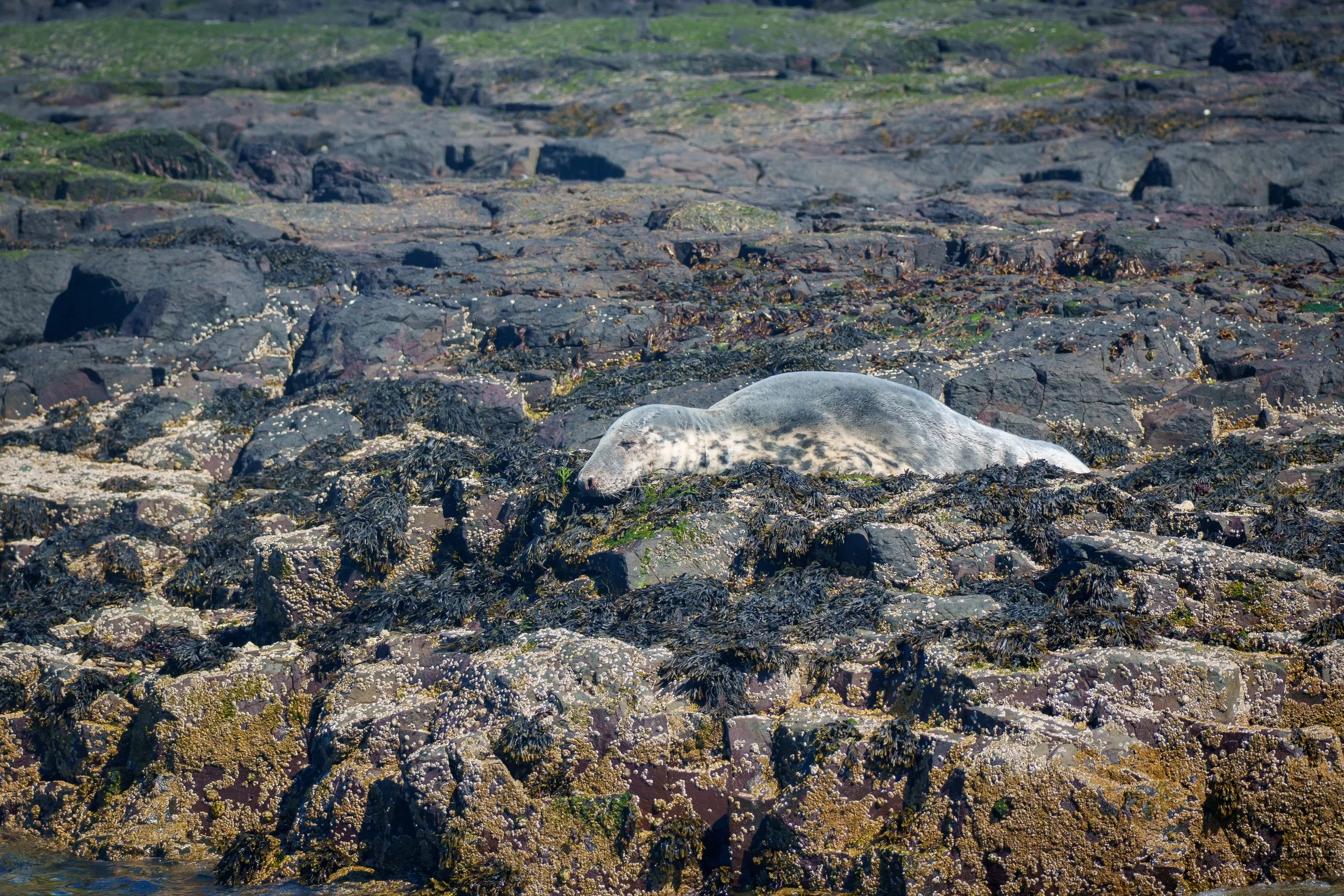
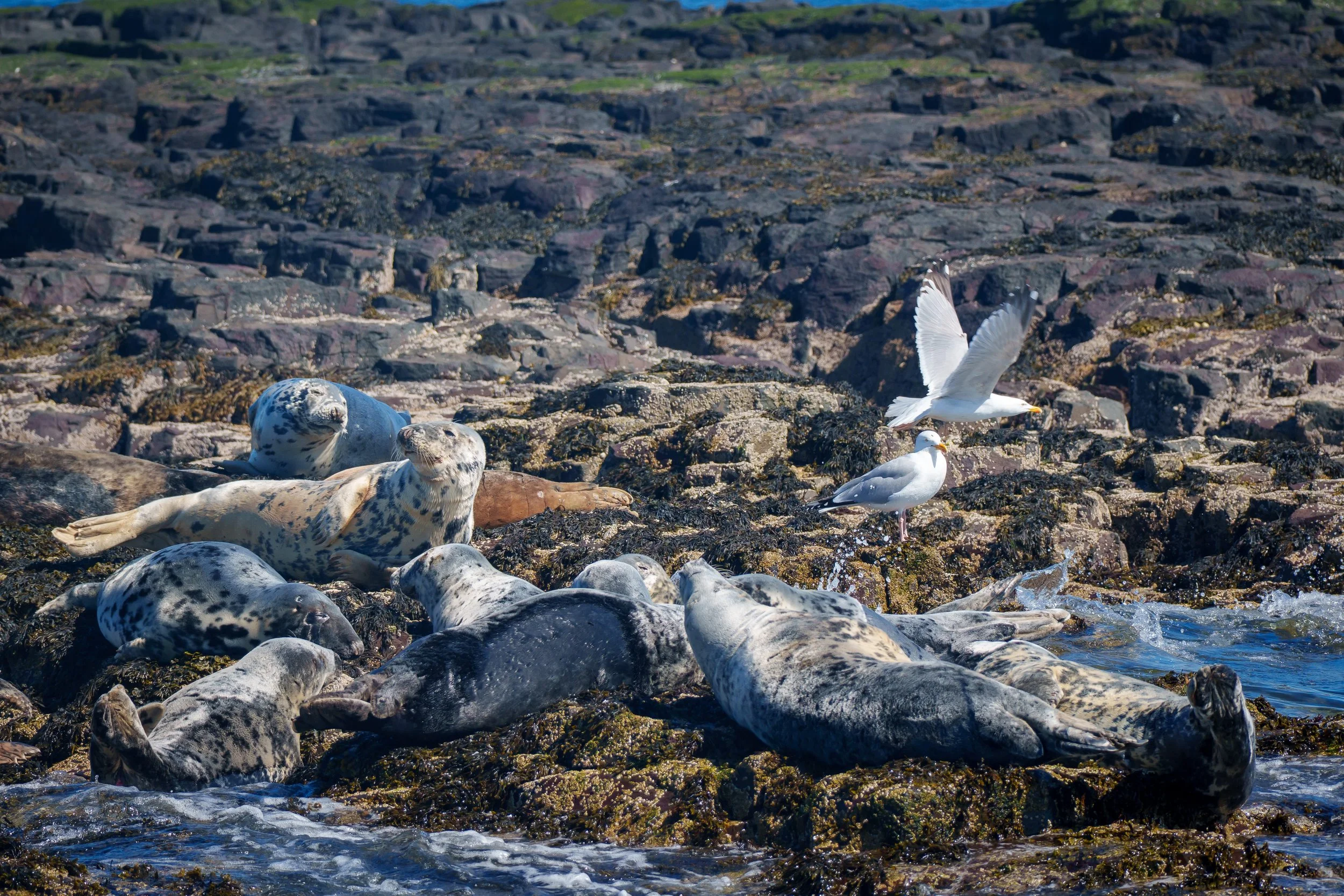
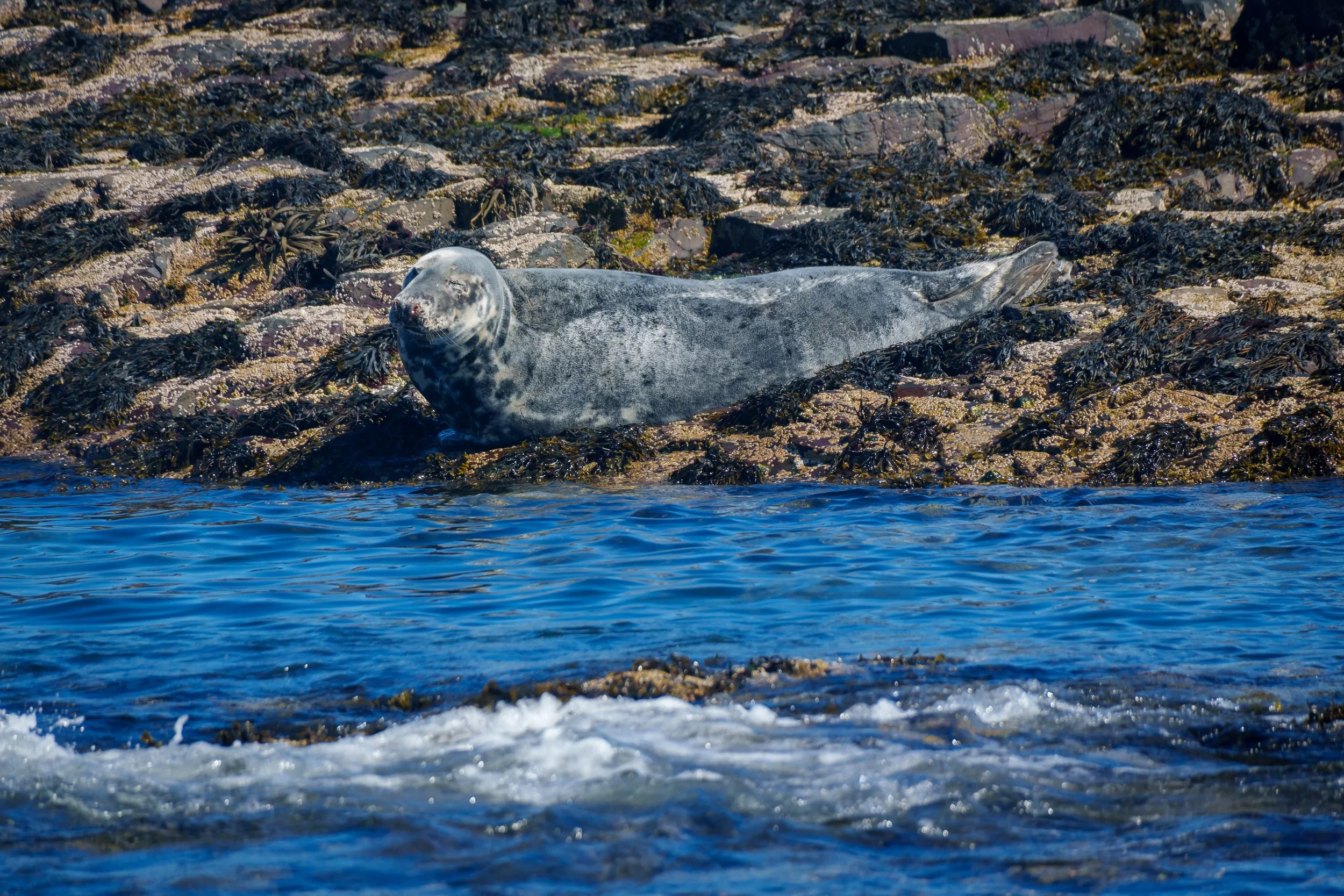
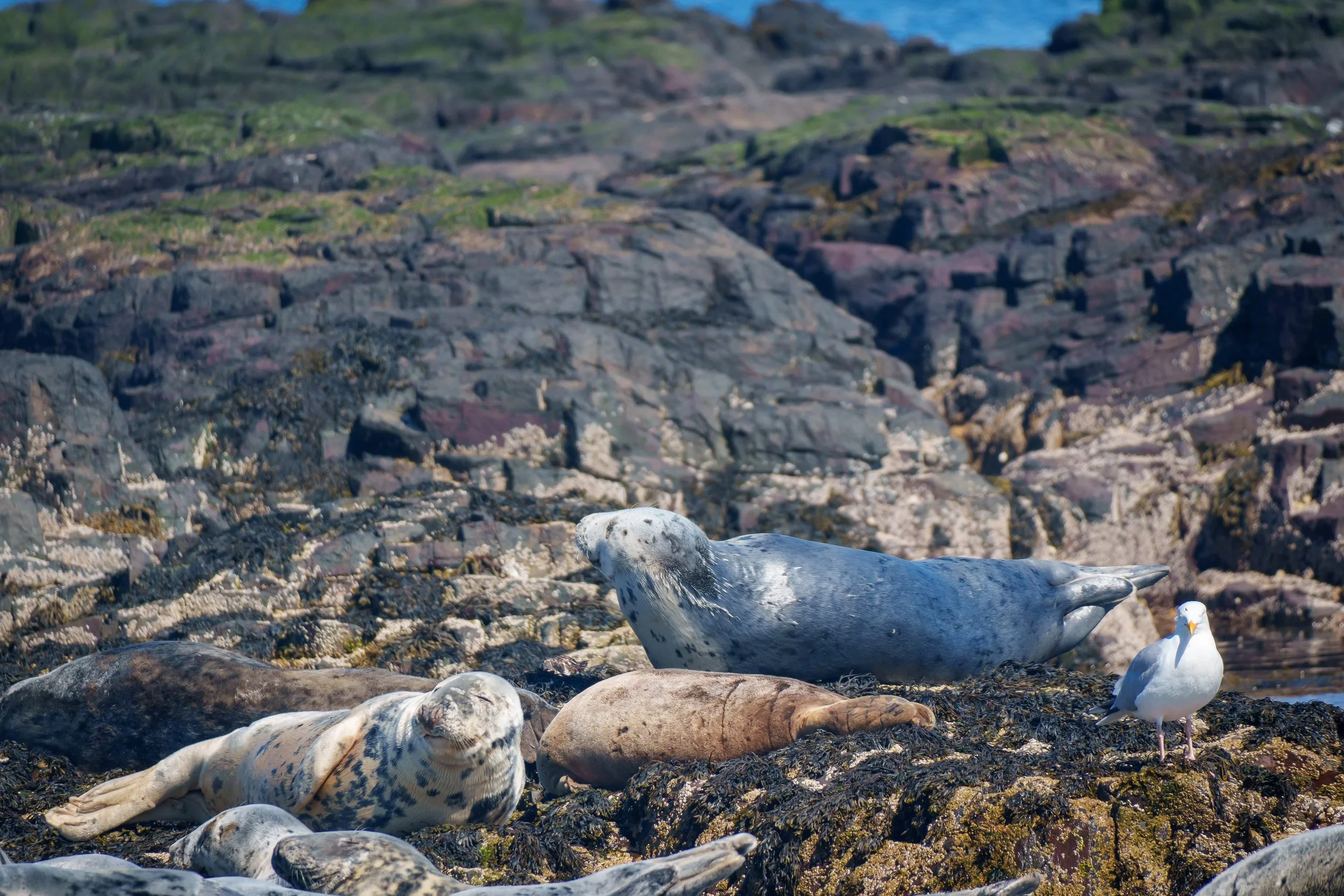
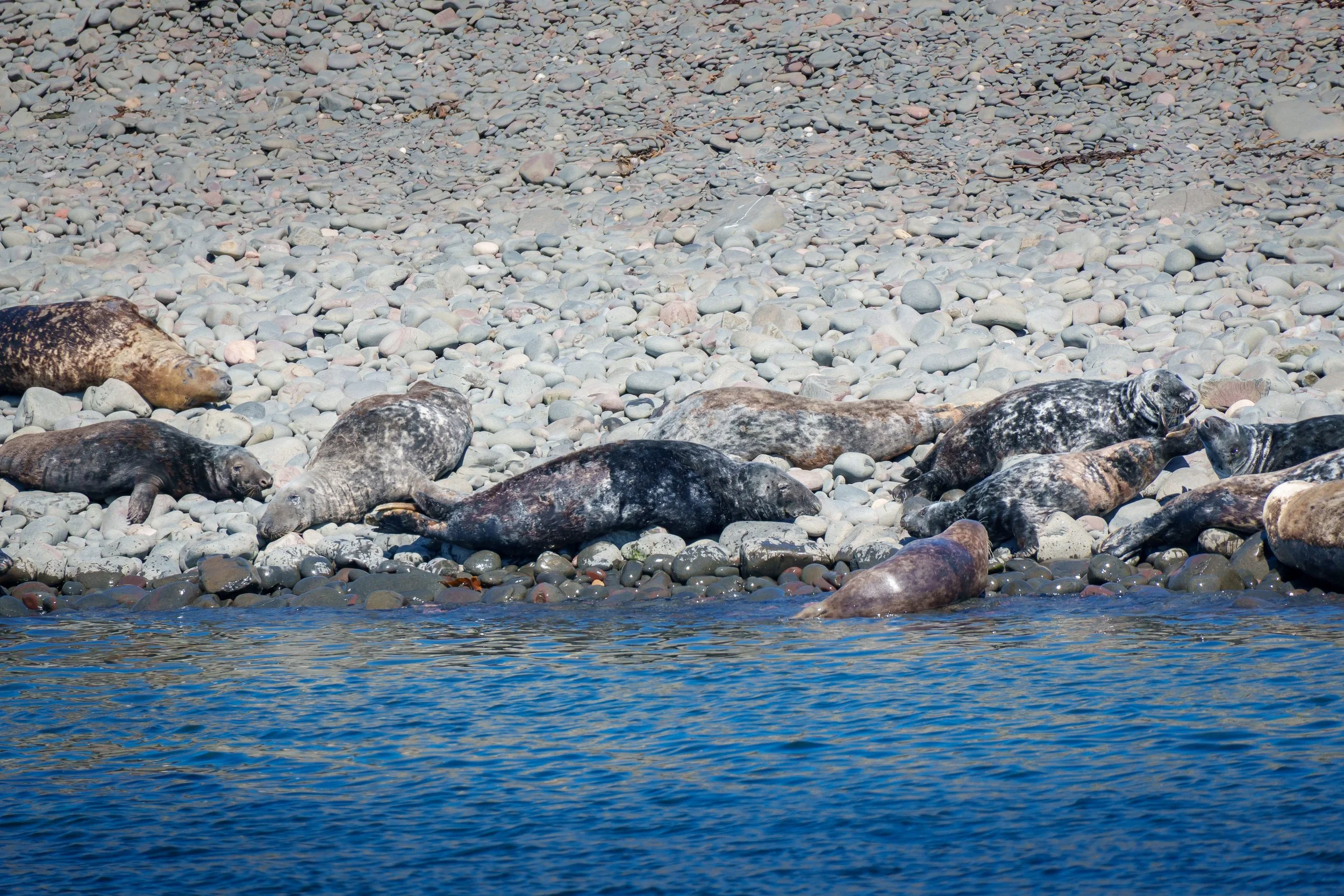
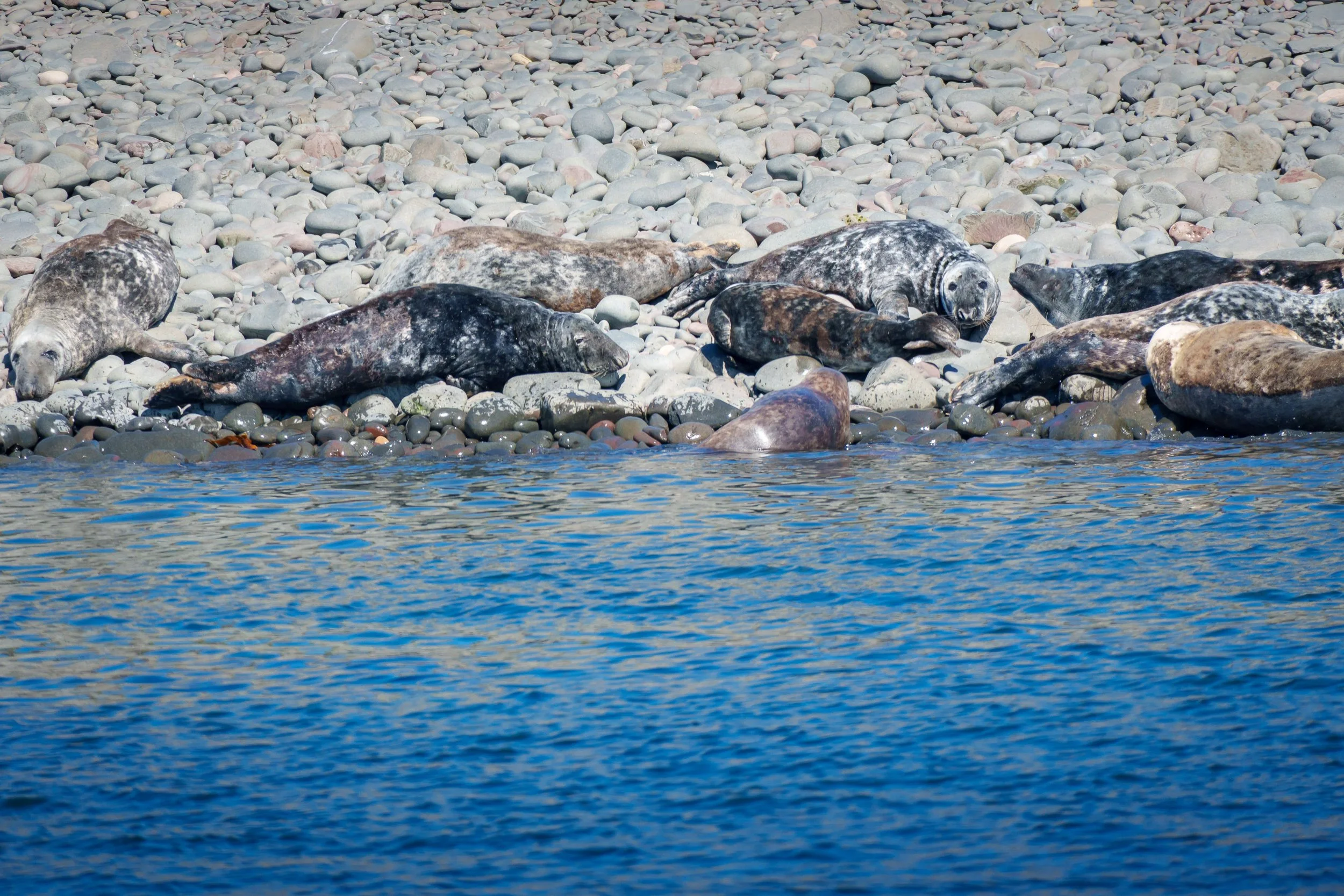
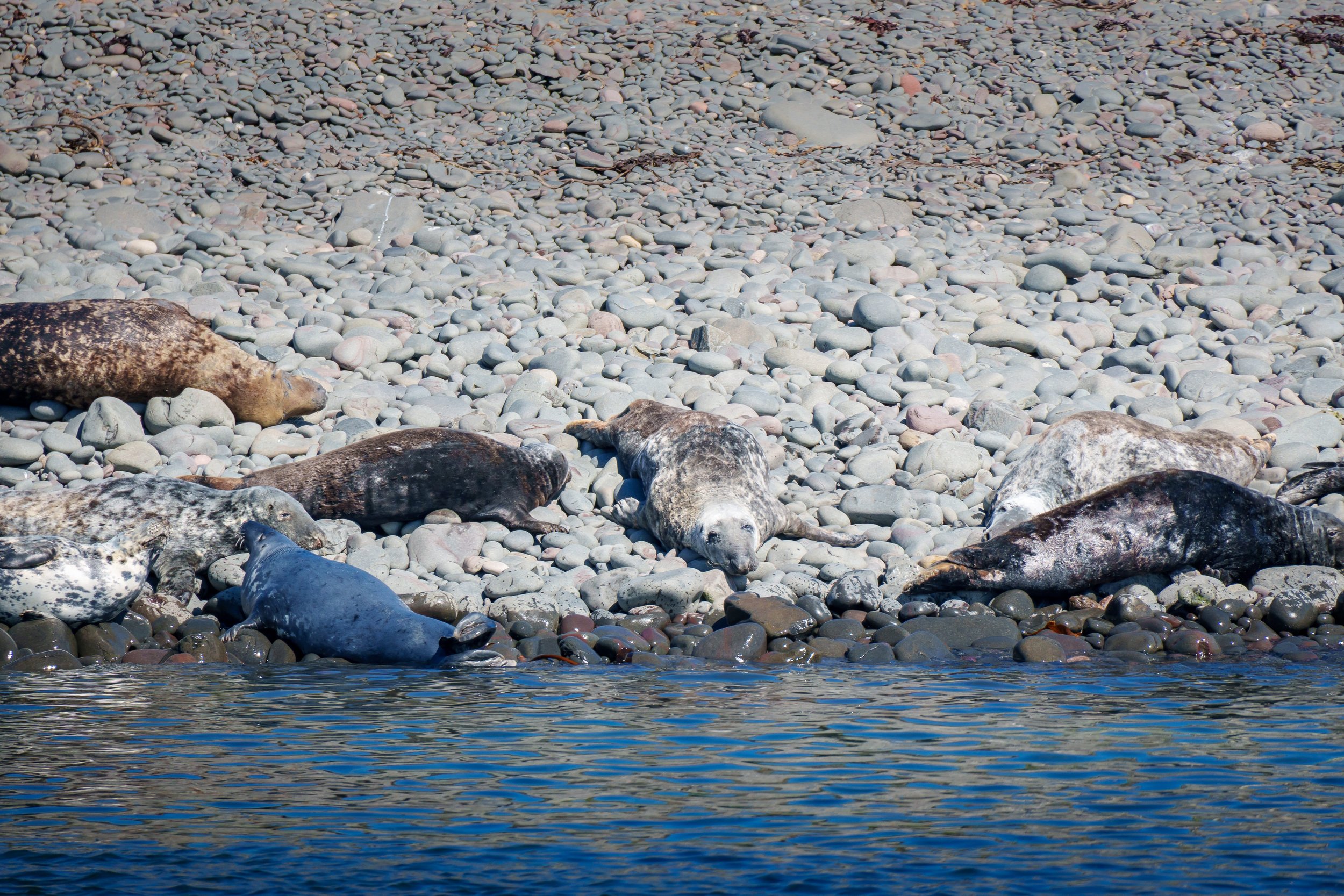
Around this time we came across the seals — Atlantic grey seals, one of Britain’s most iconic marine mammals. They’re larger than common seals, with long horse‑like faces and big dark eyes. The Farnes host one of the biggest grey seal colonies in England, and every autumn thousands of pups are born on these very rocks.
The adults haul out to rest, digest, and generally look unimpressed by human visitors. They have an incredible ability to vanish underwater the moment you think you’ve lined up the perfect shot.
Longstone Lighthouse — The Story of Grace Darling
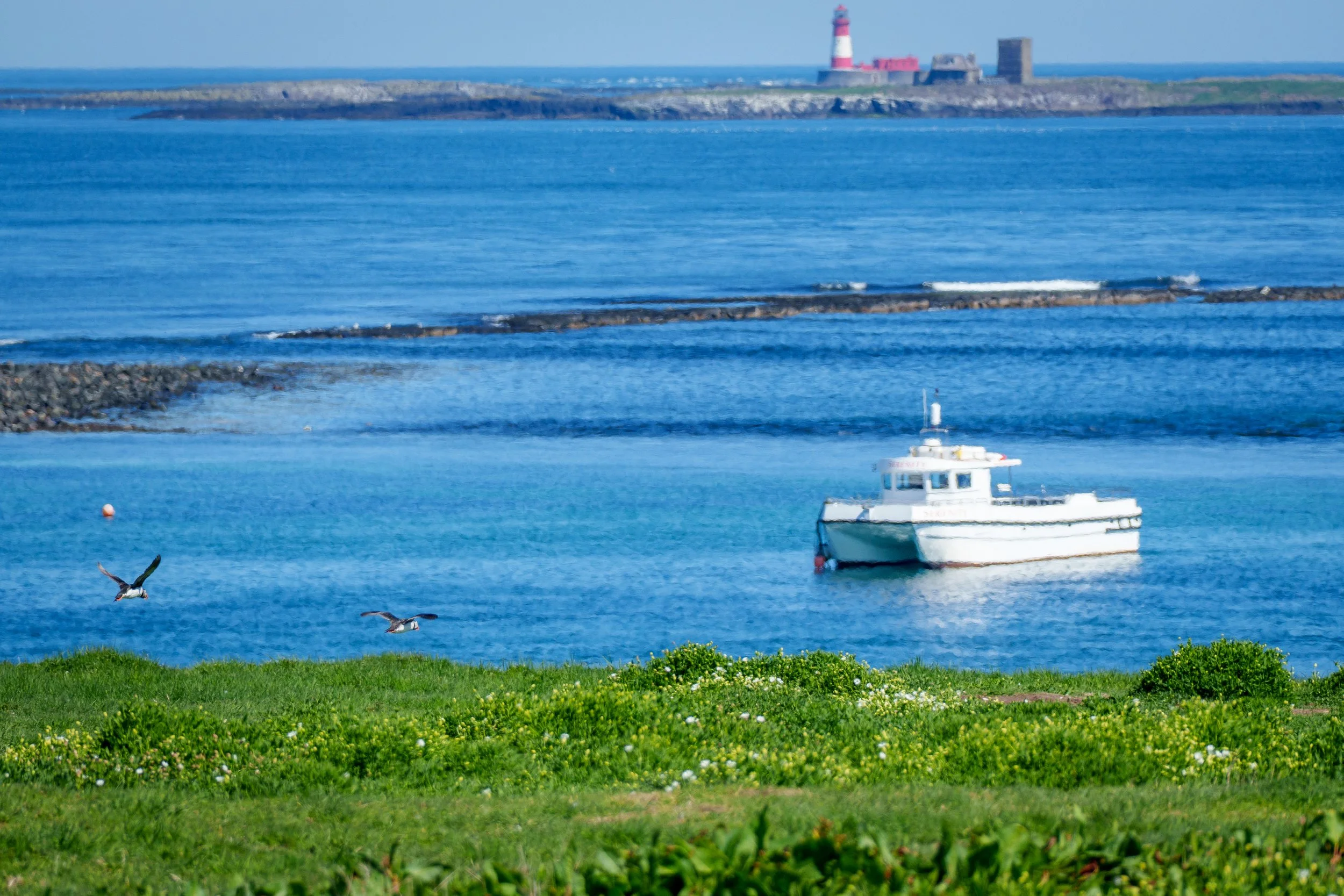
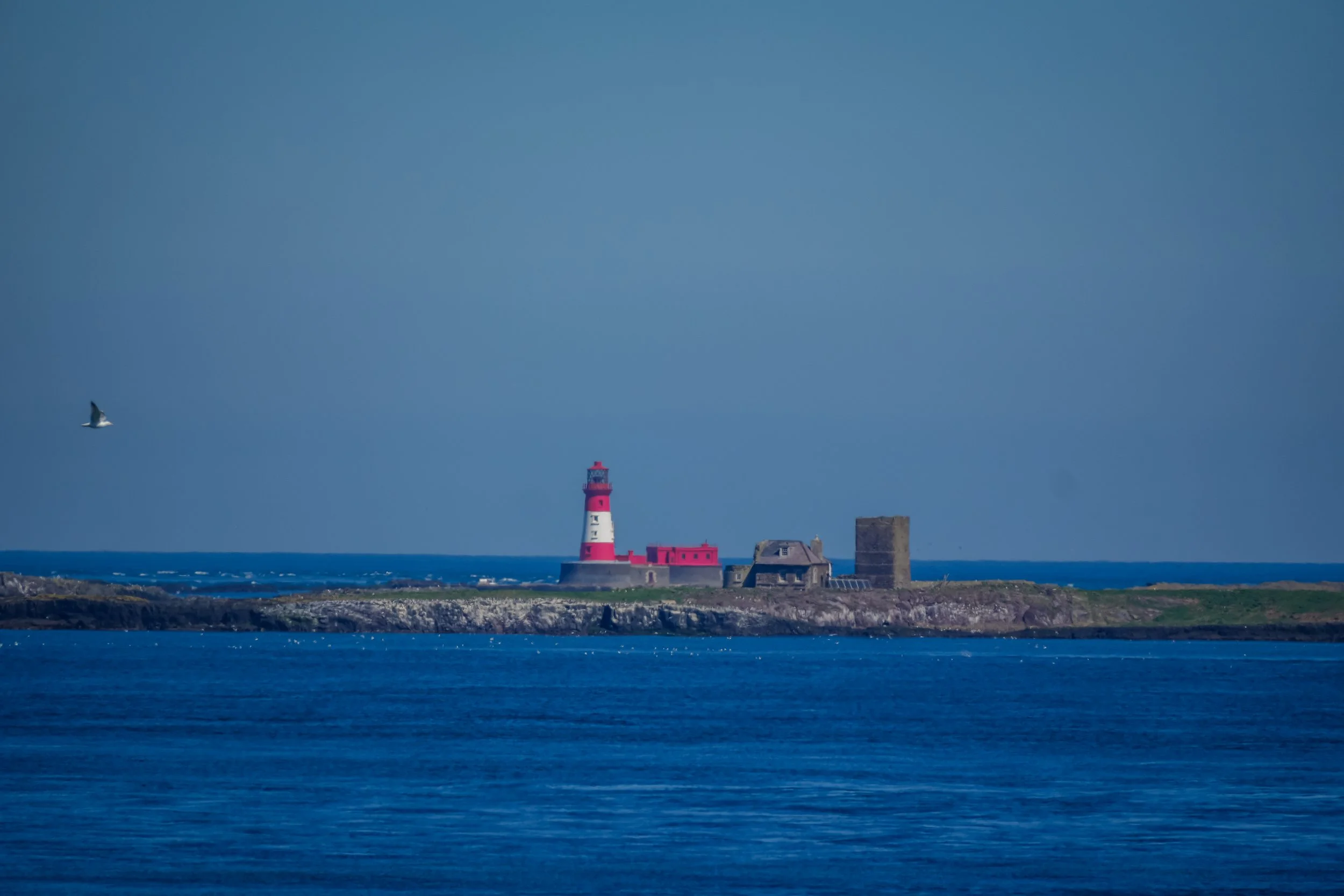
Our final lighthouse was the red‑and‑white tower on Longstone Island. Built in 1826, it stands proudly on a circular stone base, surrounded by seal colonies and the open sea.
This is where Grace Darling lived with her family. In 1838, during a violent storm, the steamship SS Forfarshire wrecked on the nearby rocks. Grace spotted survivors clinging to the remains of the ship and, with her father, rowed out through storm‑lashed seas to rescue them.
Her bravery captured the nation’s imagination. She received medals, donations, and widespread acclaim — but fame brought its own burdens. Grace died just four years later, at the age of 26, from tuberculosis. Her story remains one of the most remarkable acts of courage in British maritime history.
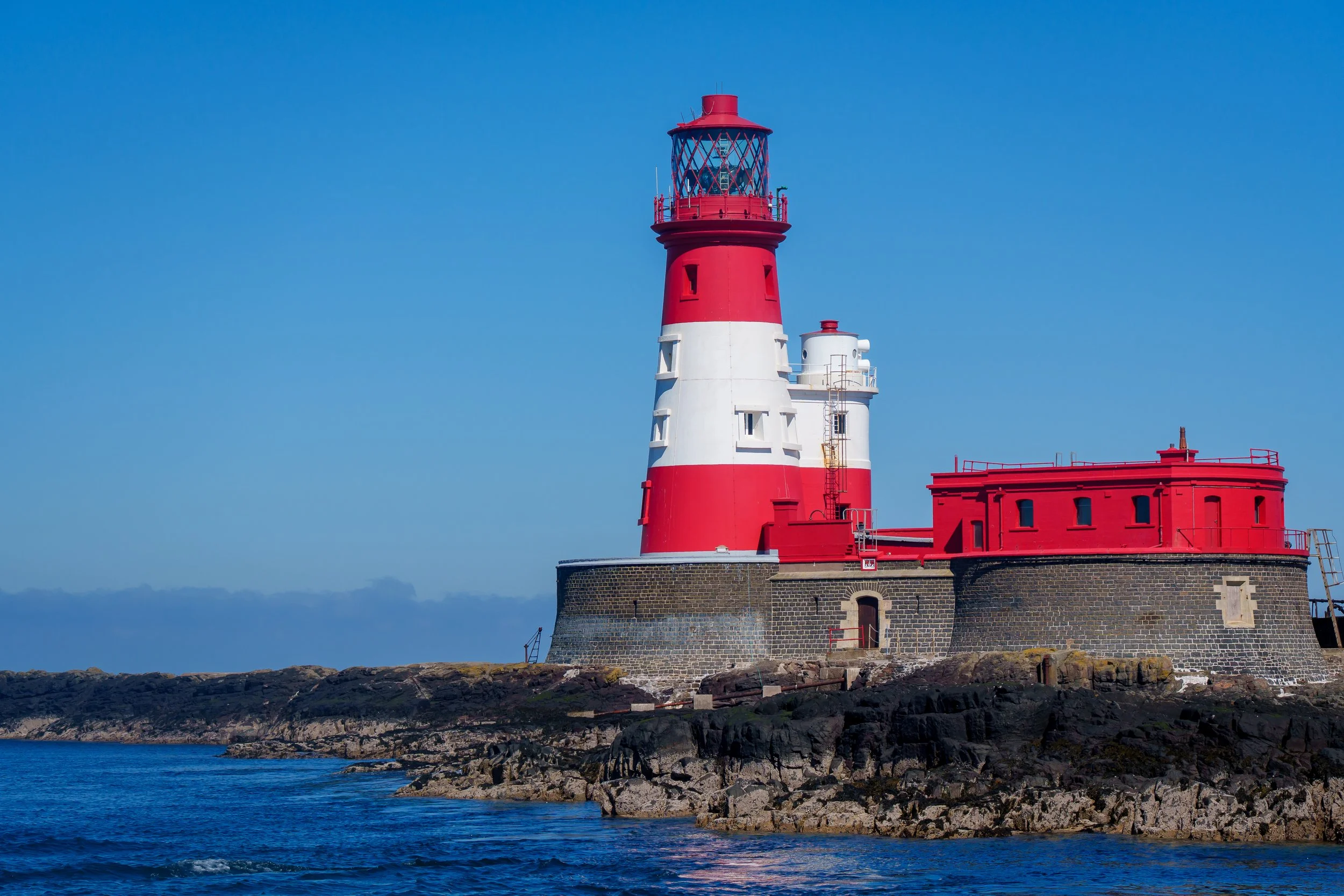
Longstone Lighthouse
Landing on Inner Farne — Puffins, Terns, and Chaos
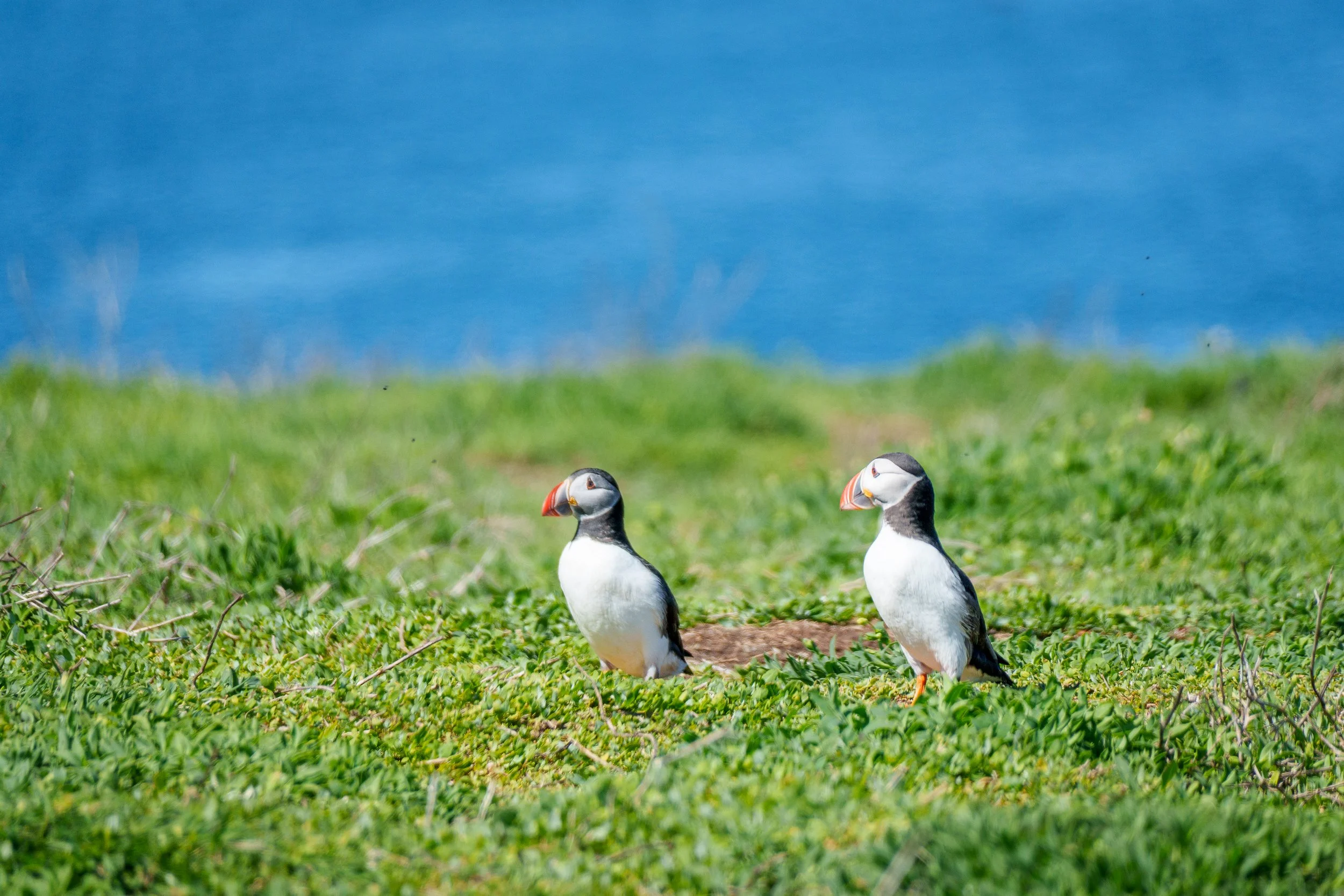
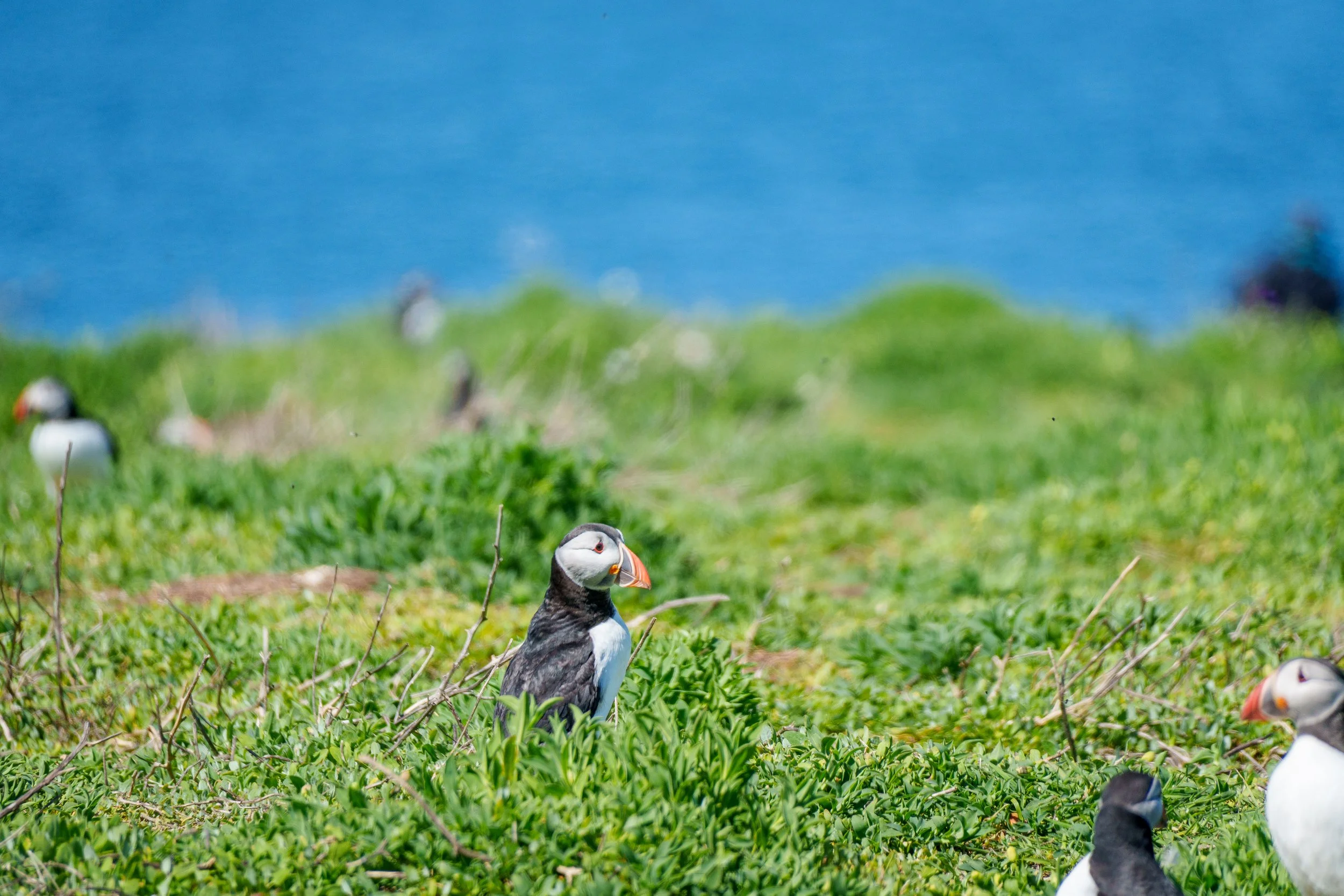
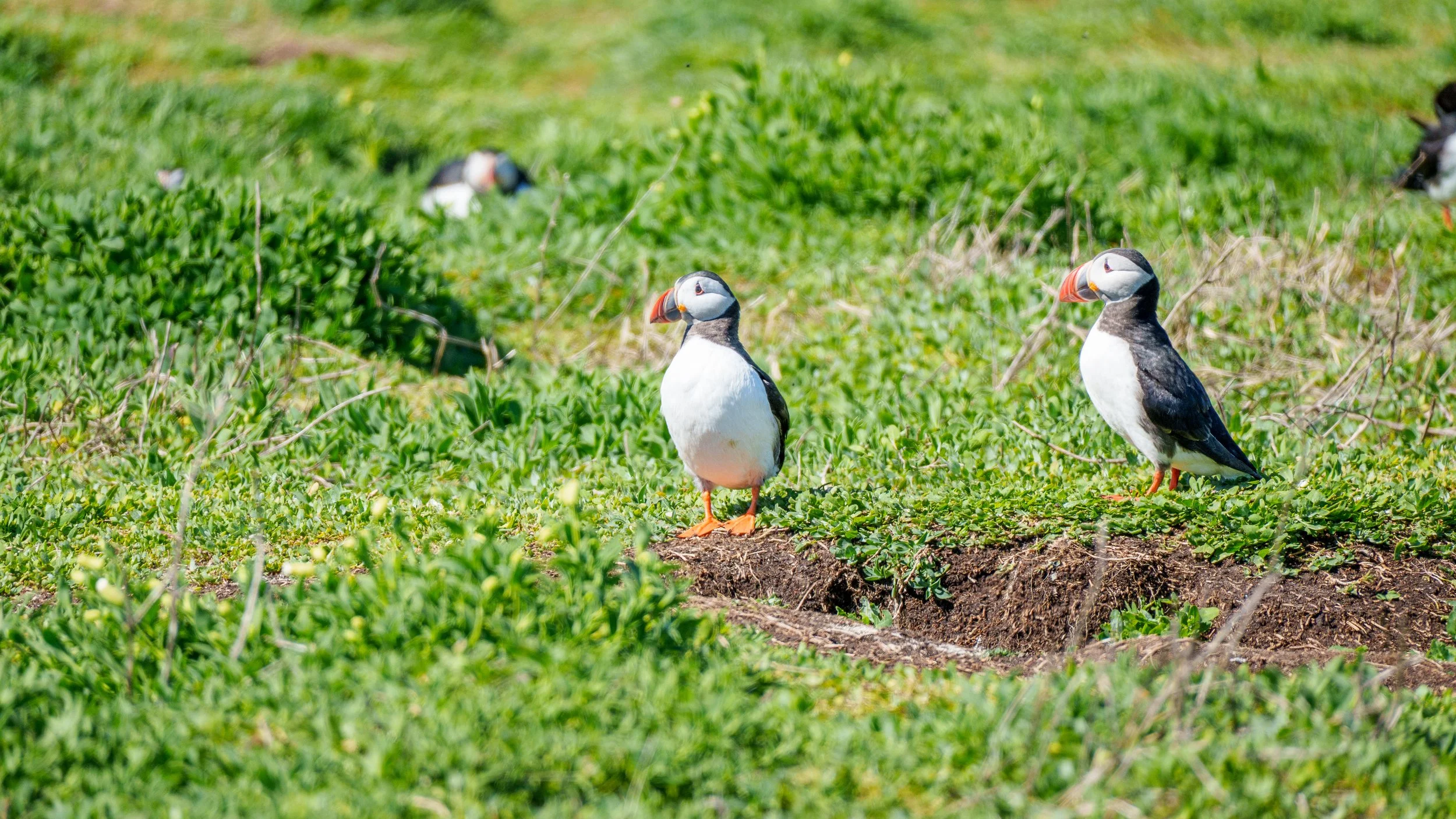
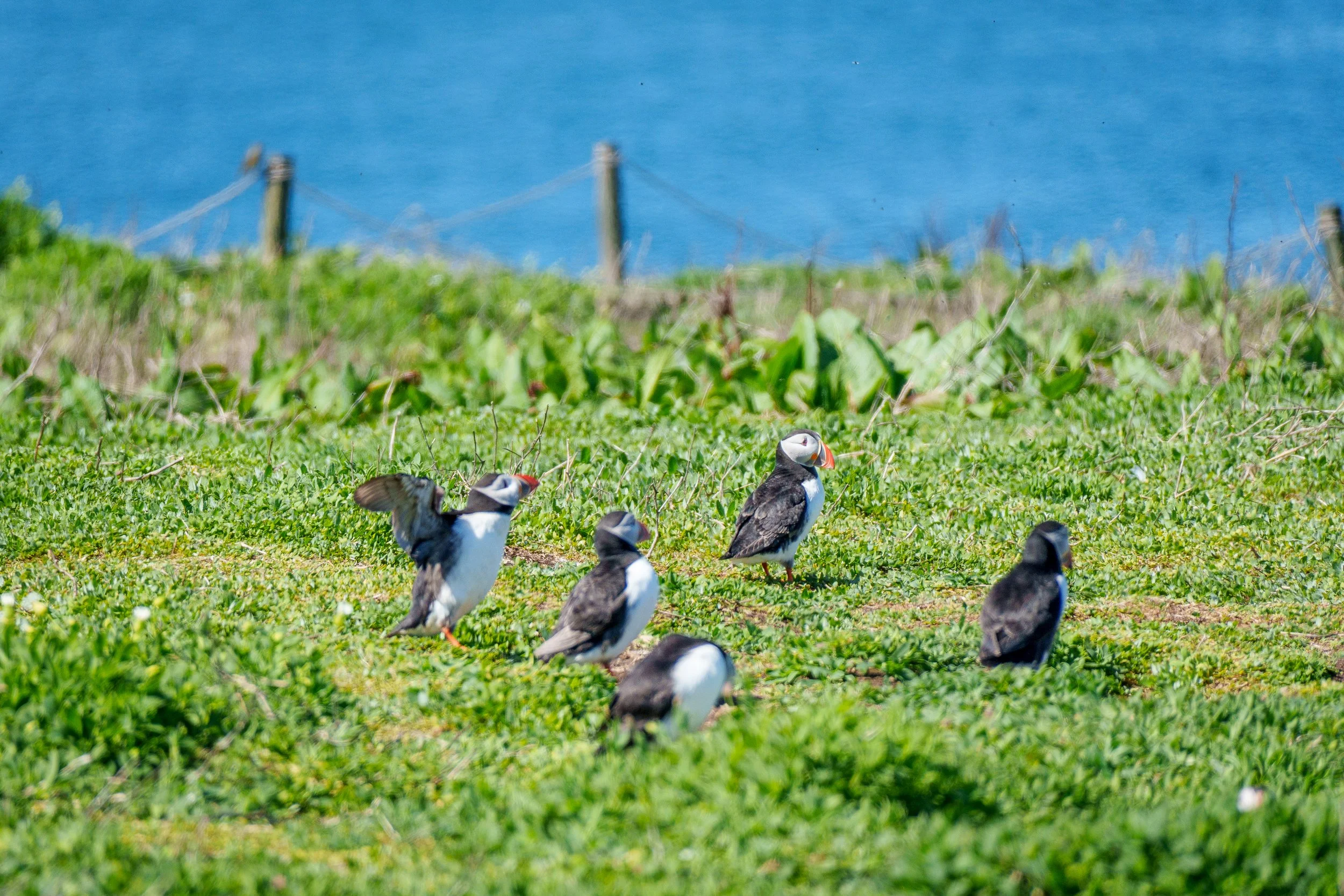
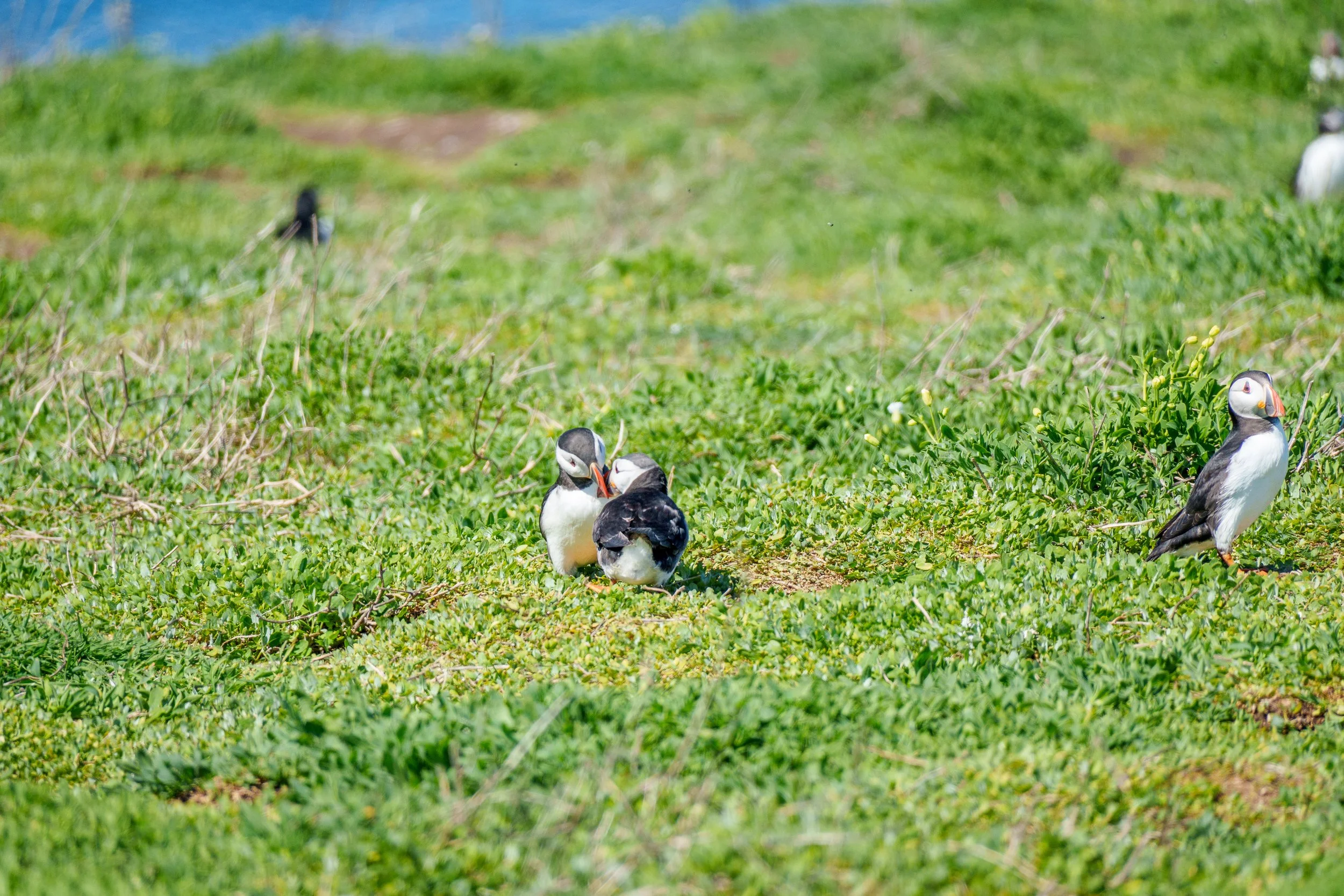
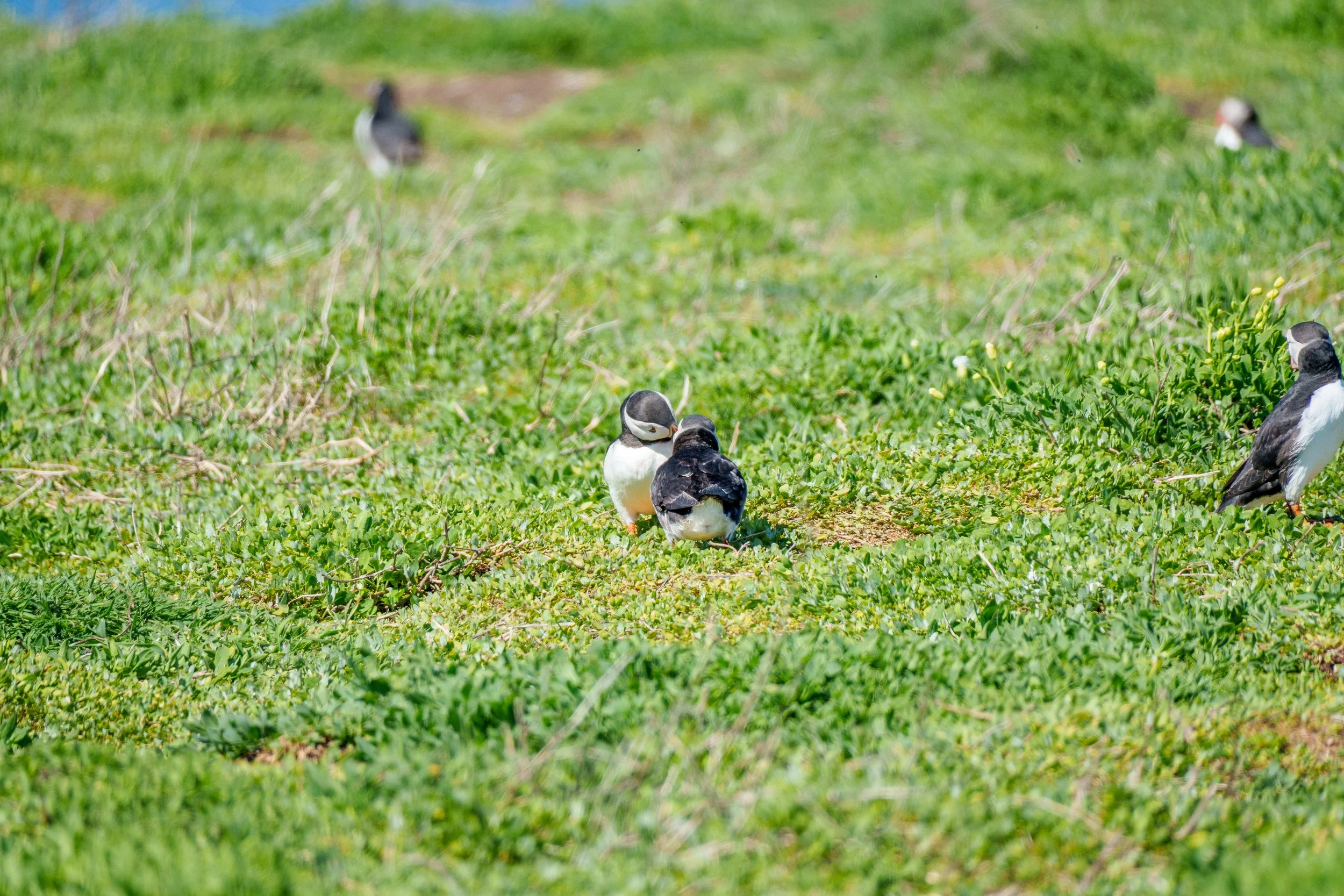
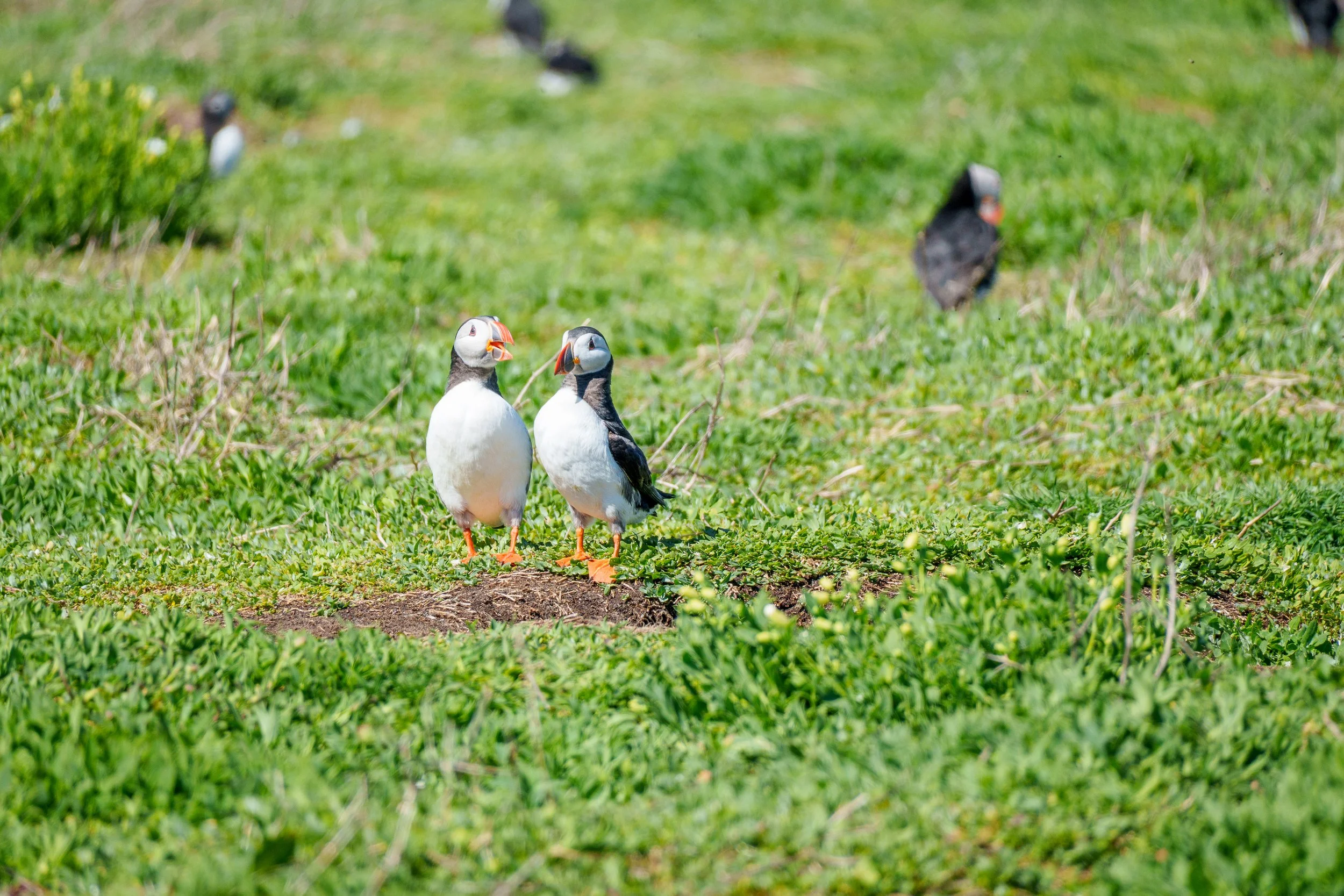
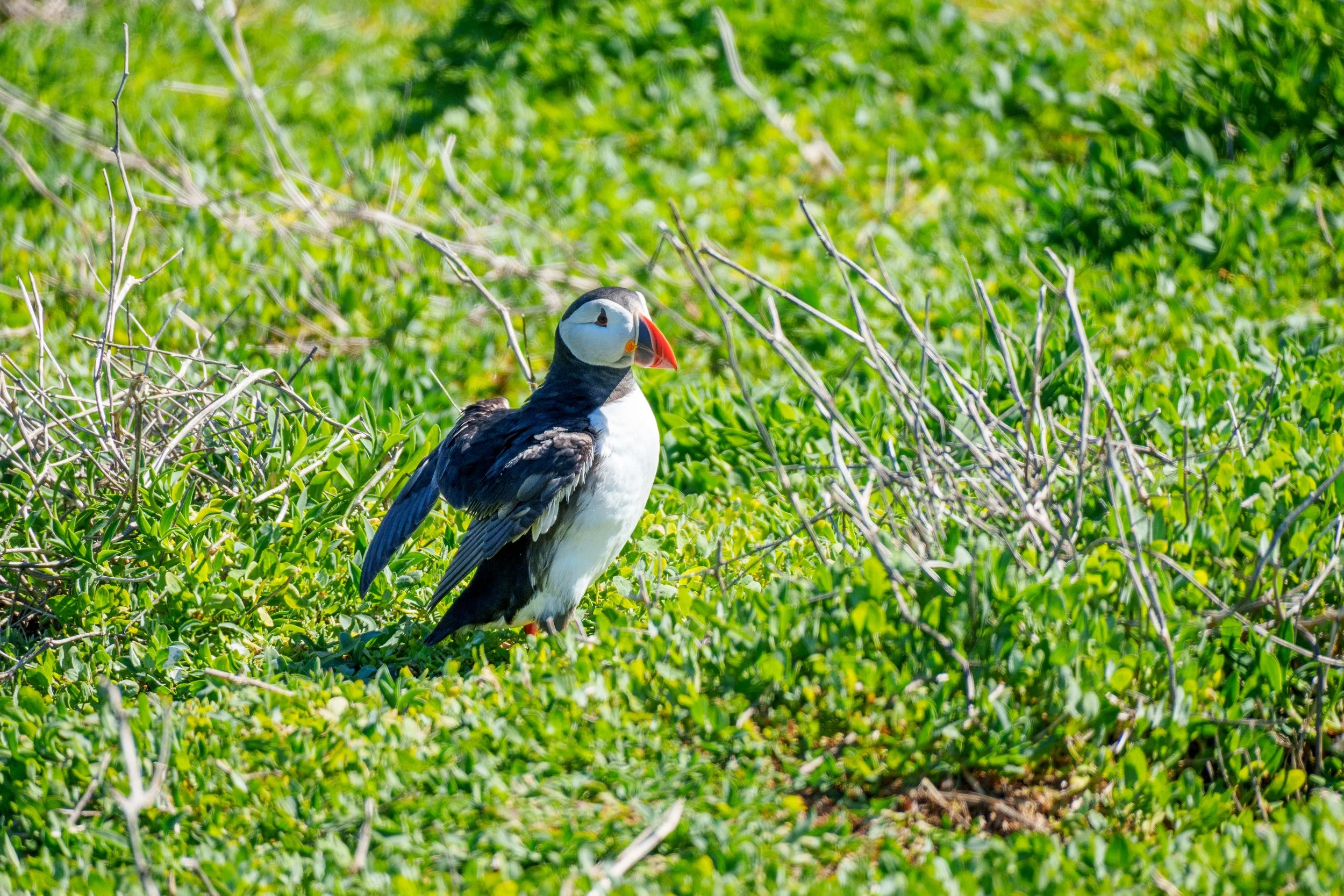
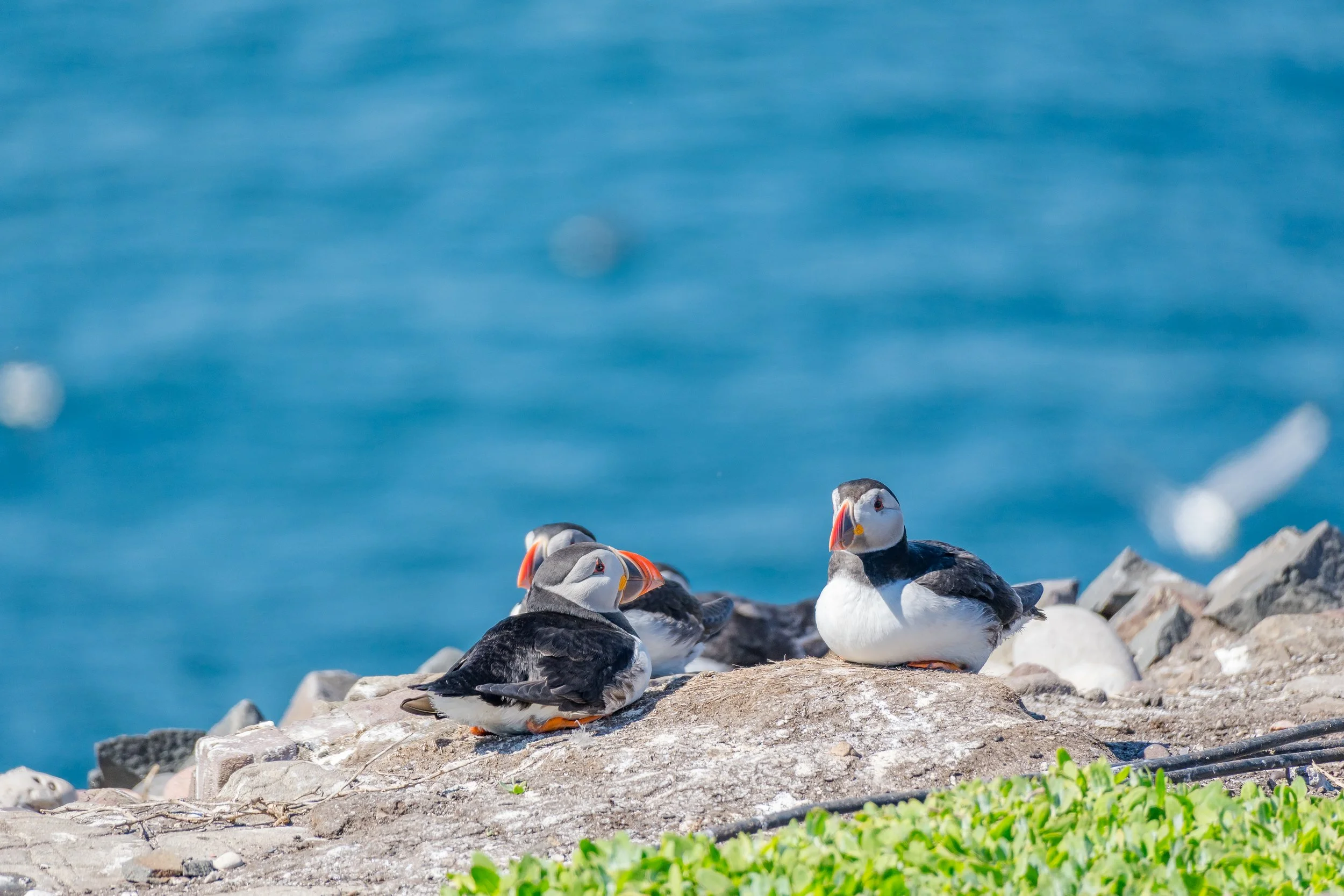
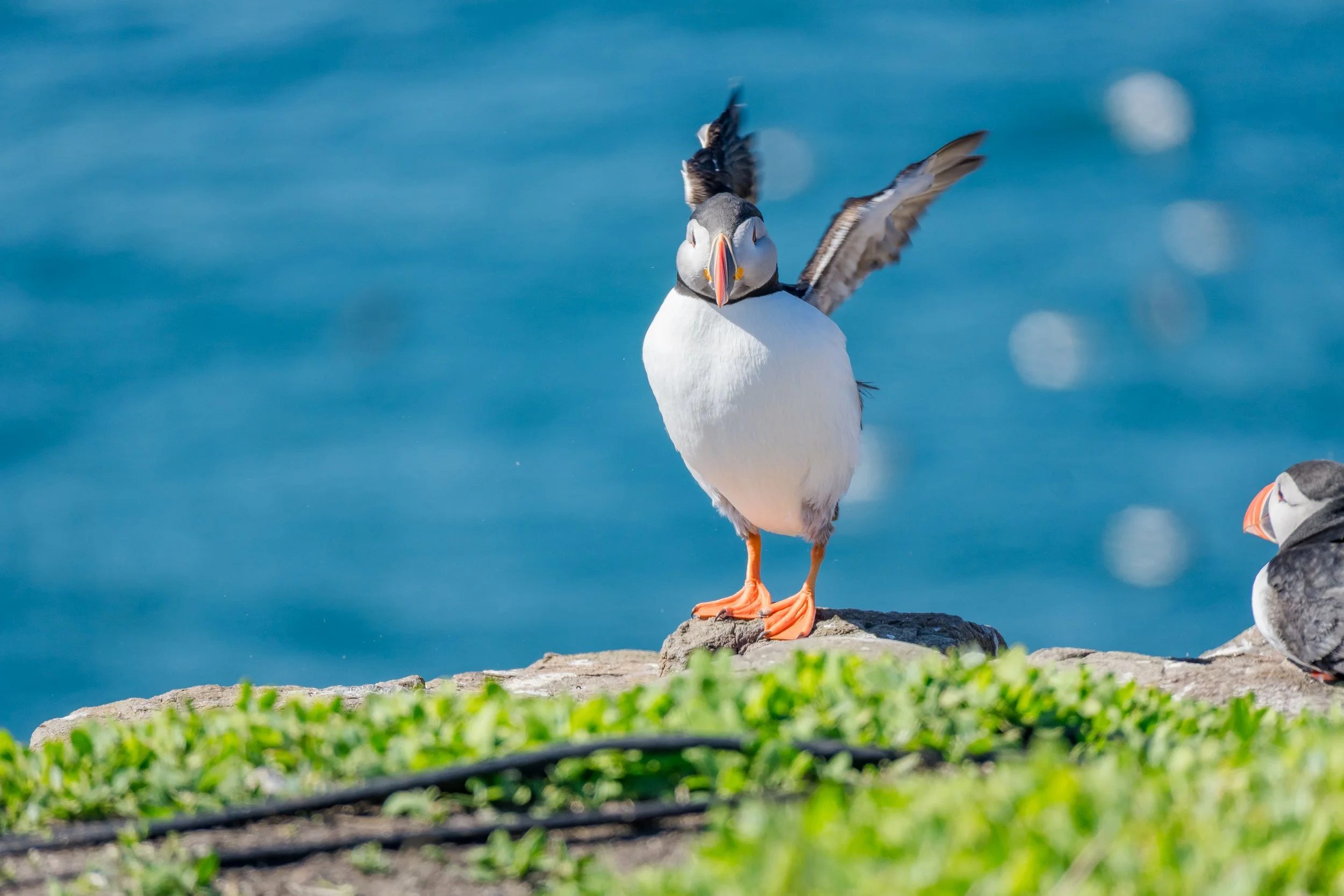
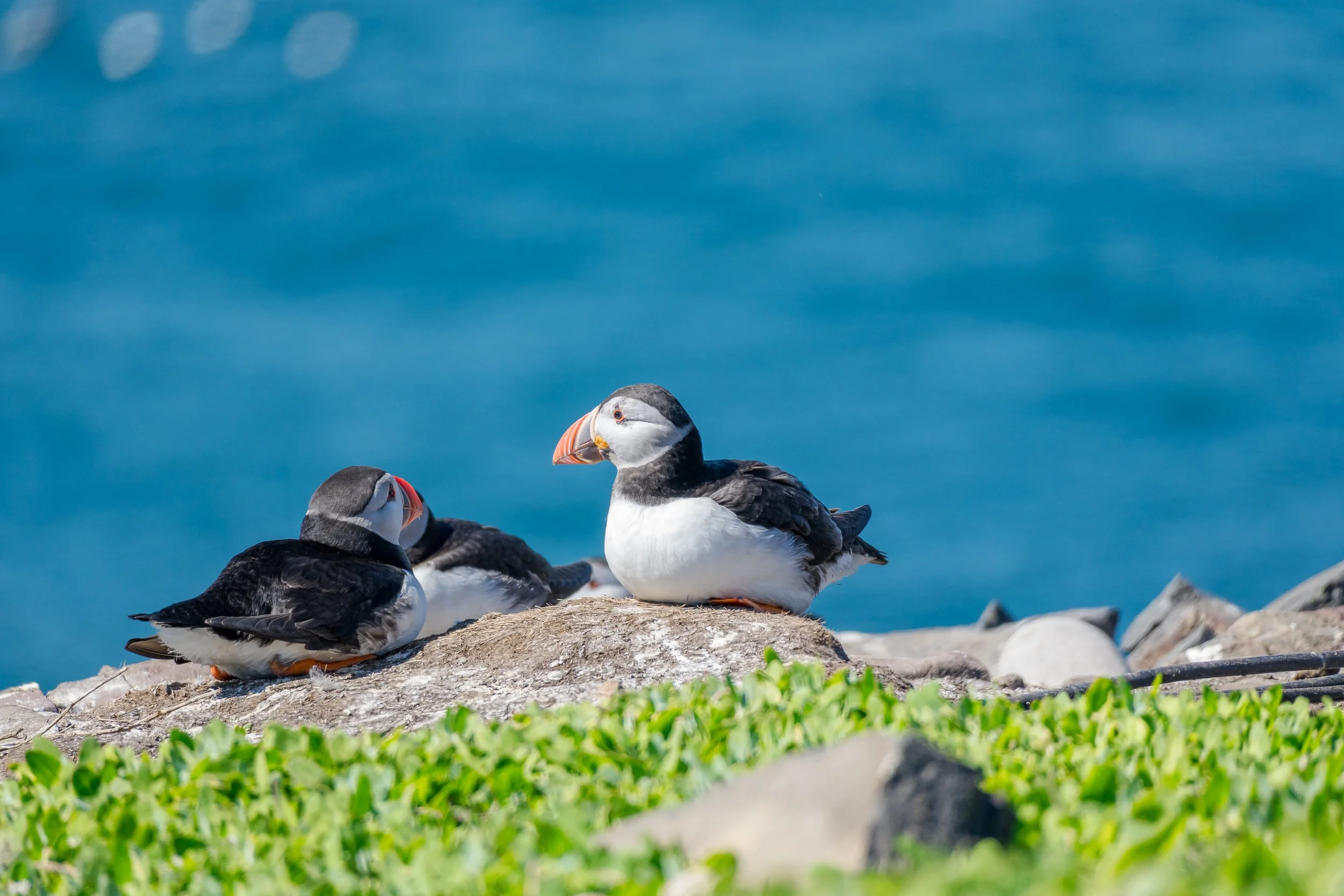
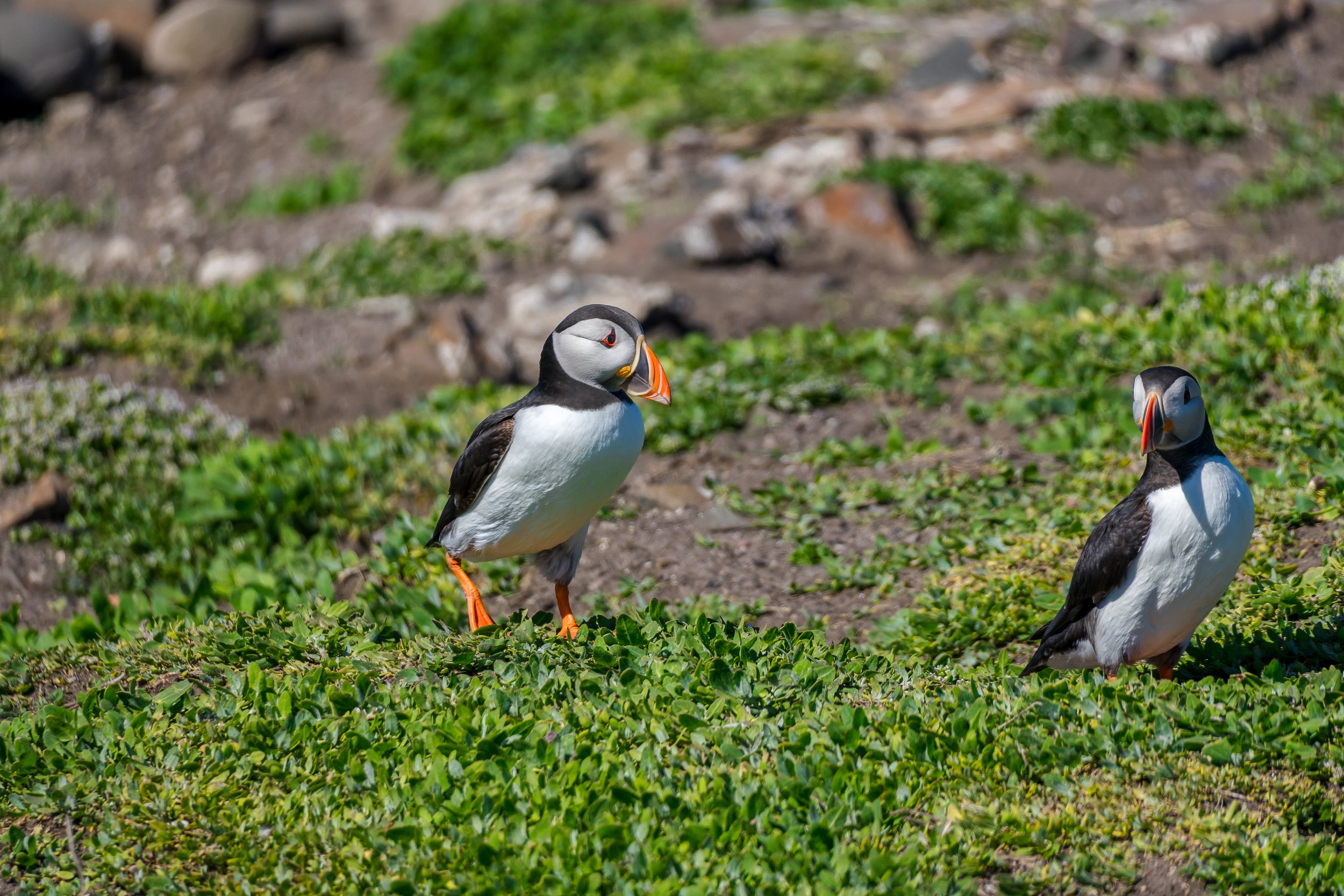
We eventually returned to Inner Farne and disembarked. The island is a National Trust nature reserve, home to puffins, Arctic terns, guillemots, shags, eider ducks, and seasonal seal colonies. Boardwalks guide visitors through nesting areas, and wardens keep an eye on both birds and humans.
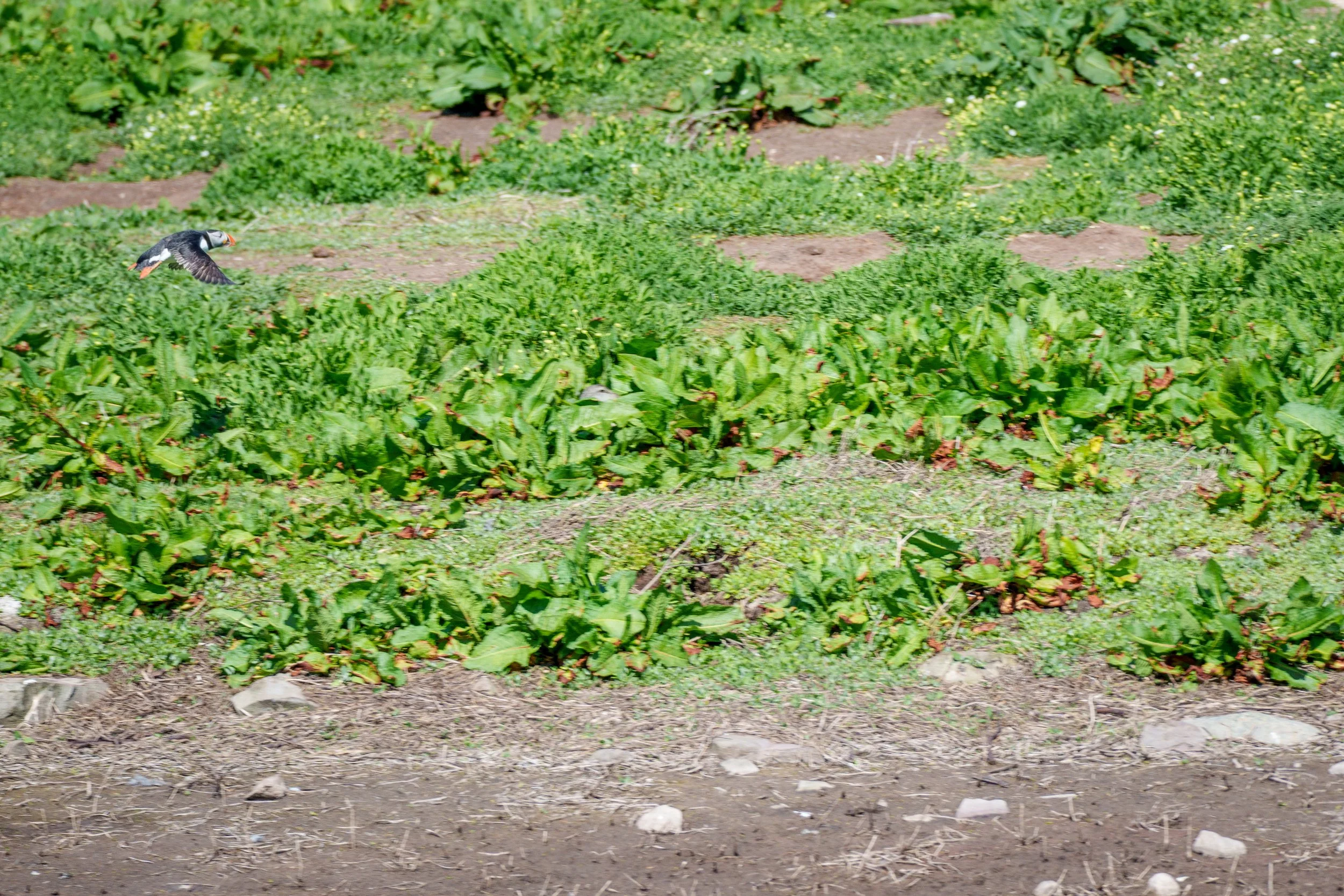
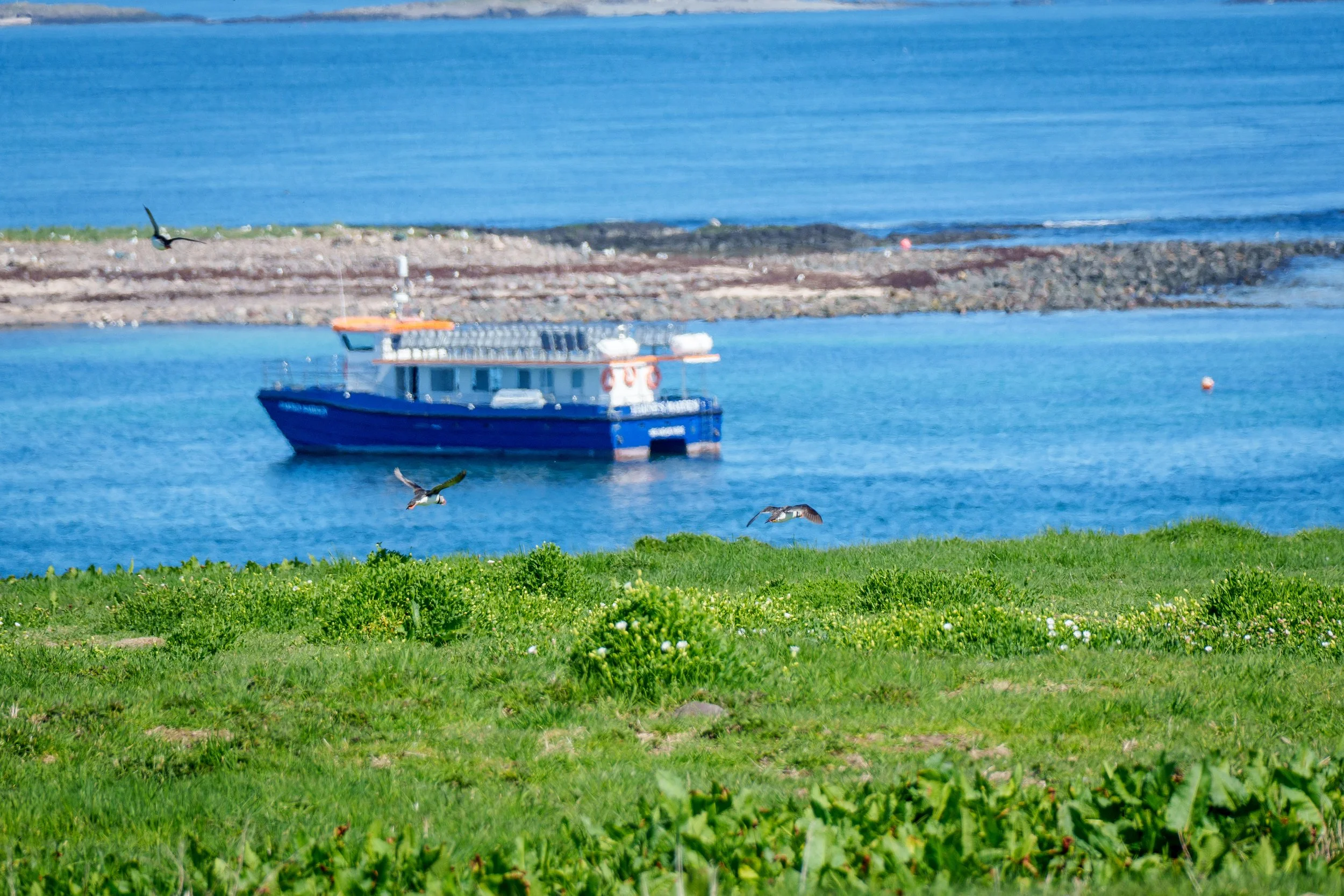
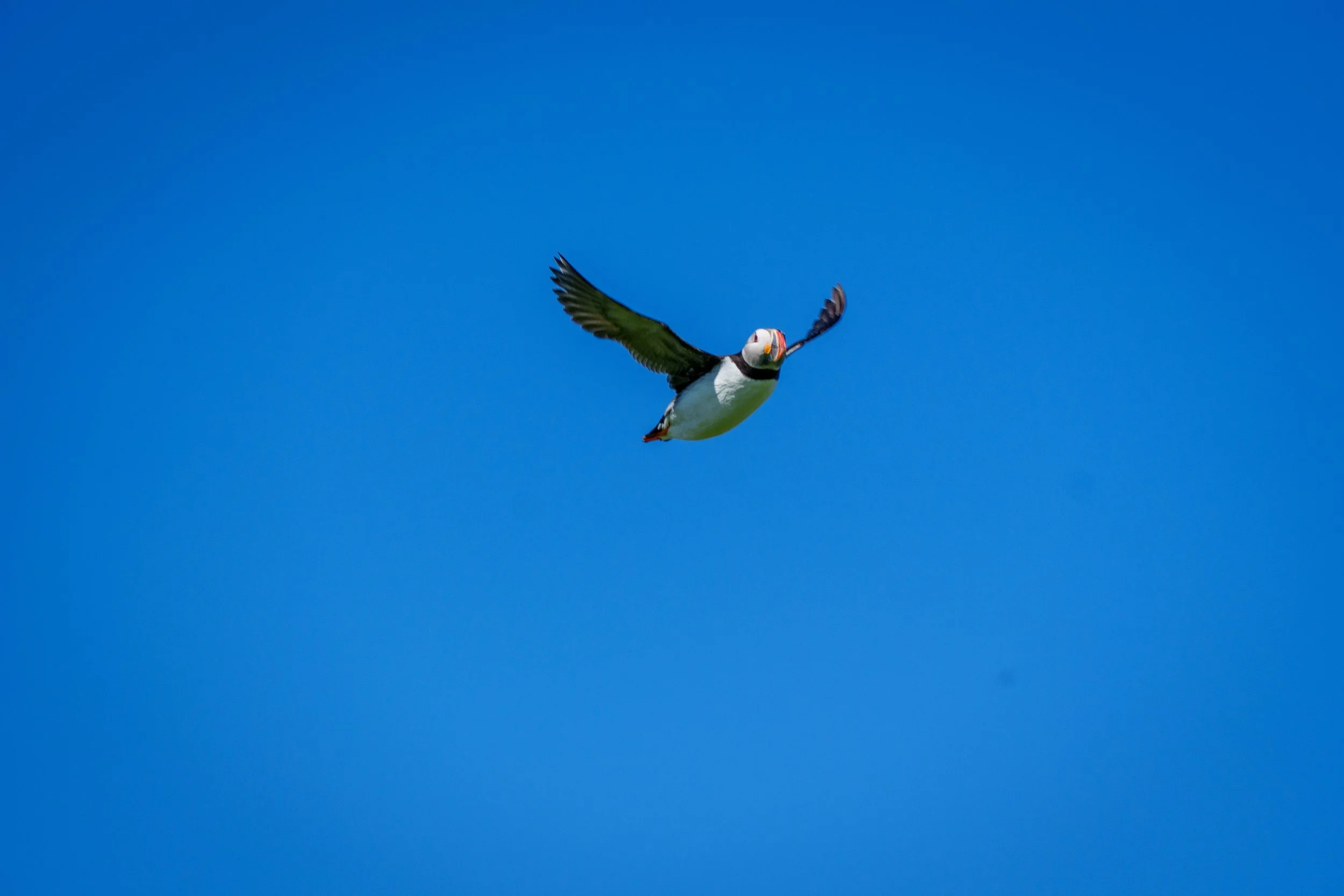
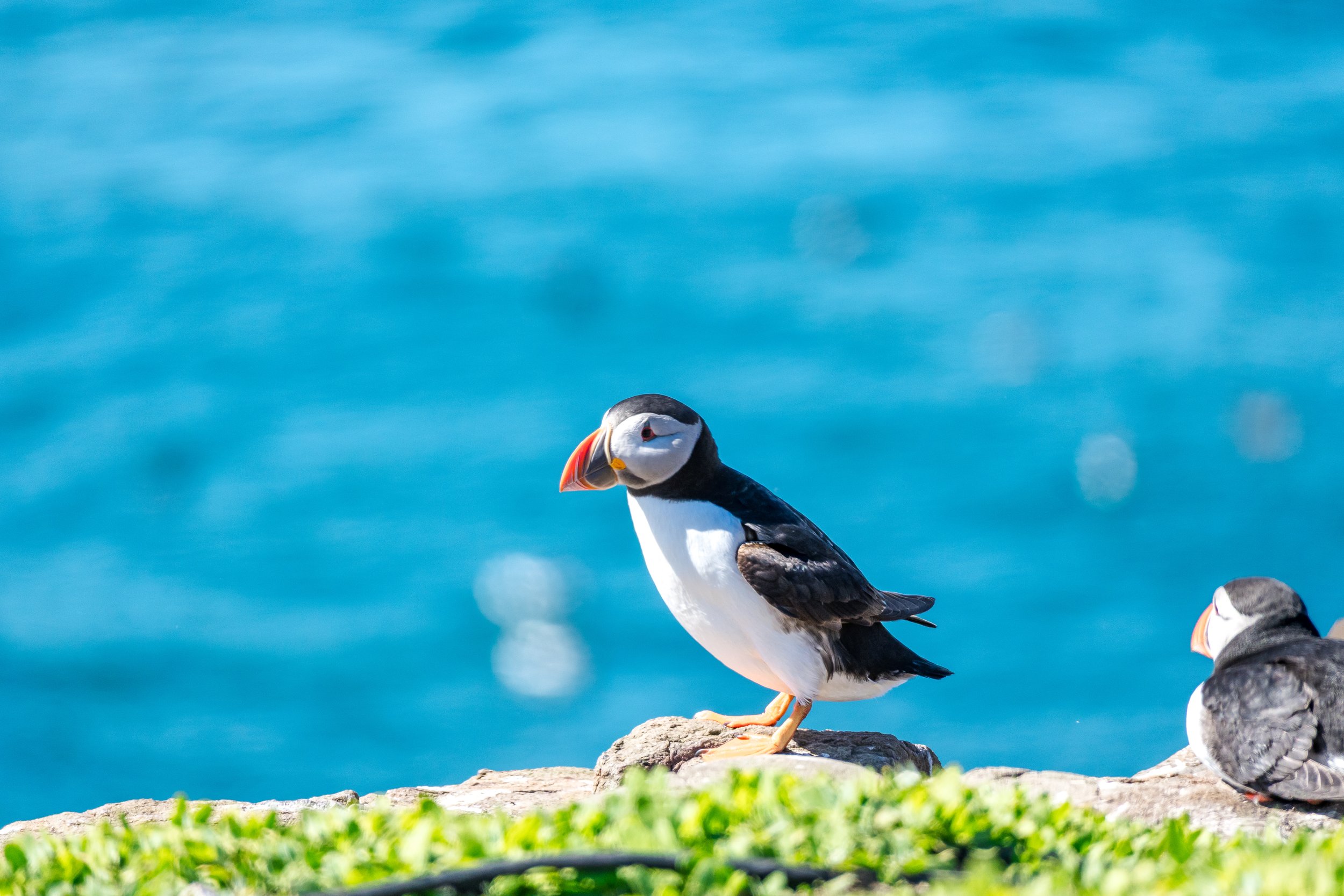
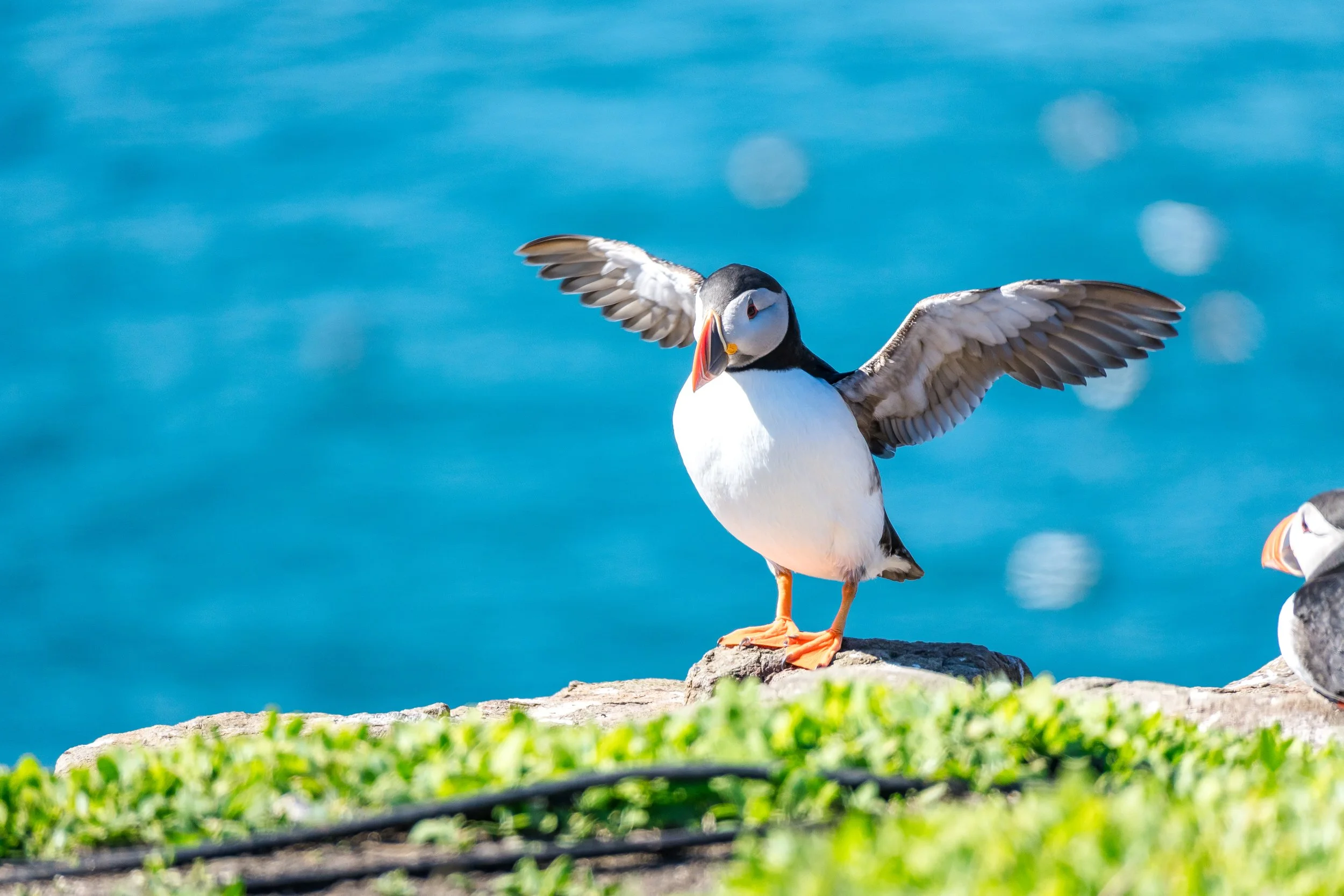
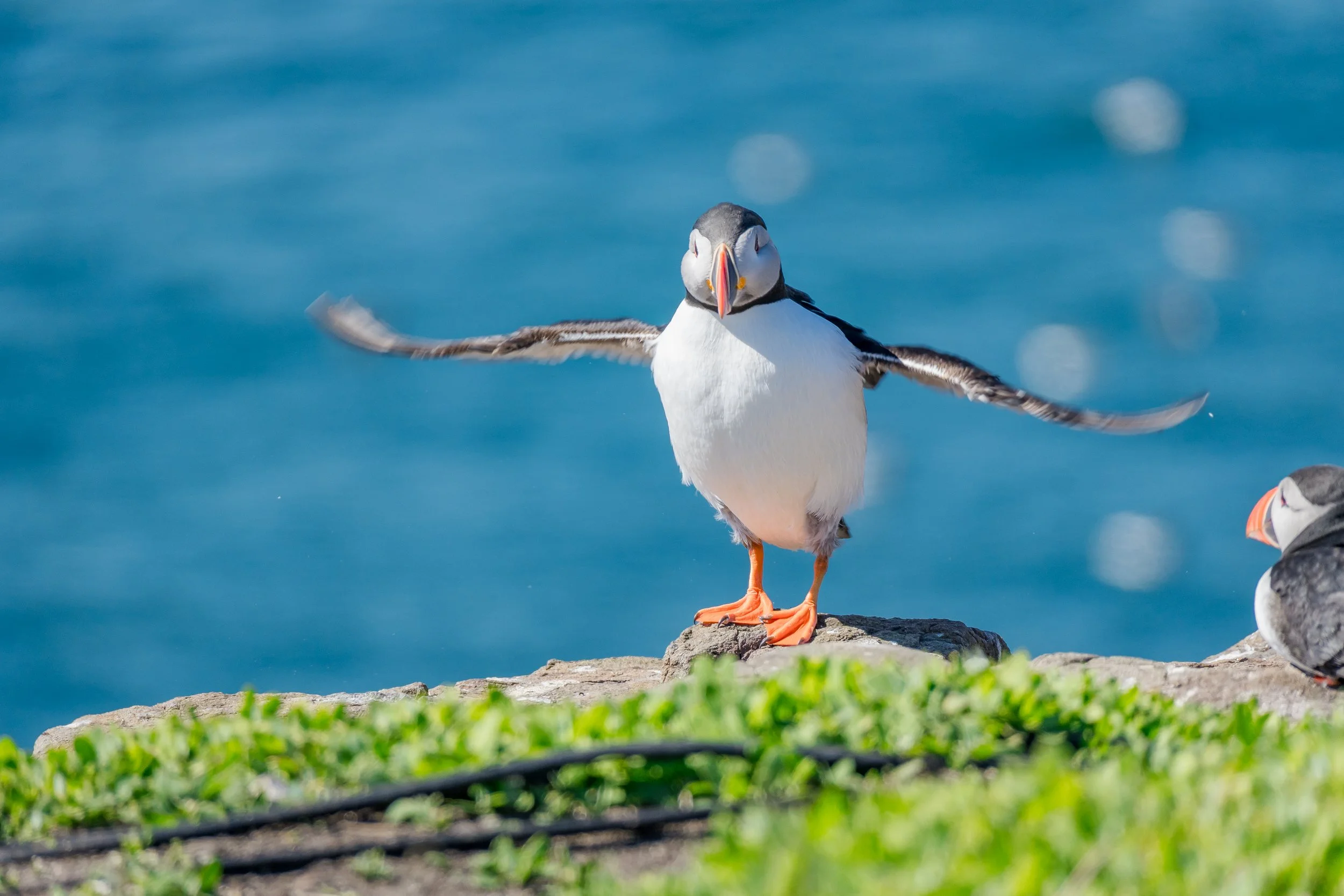
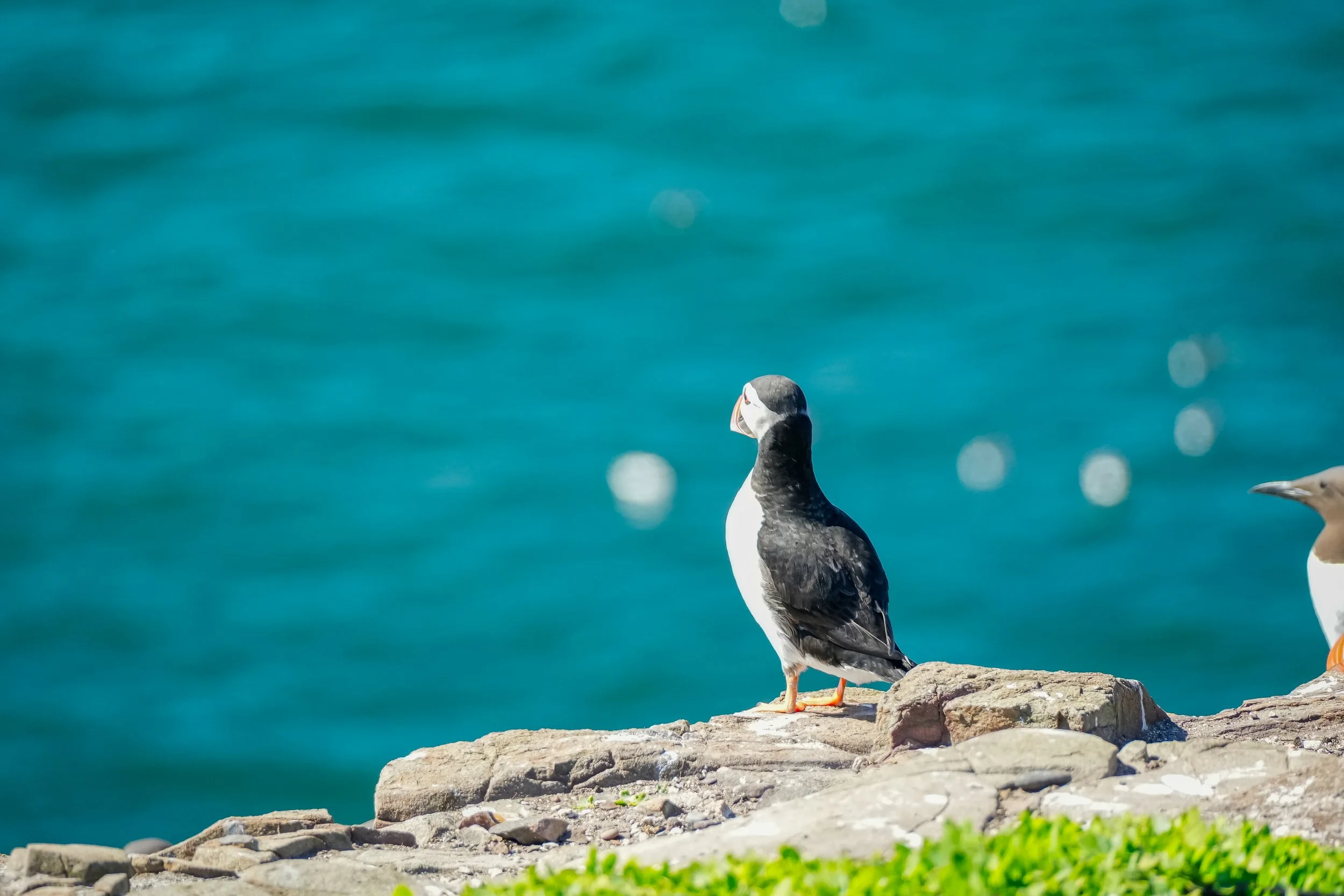
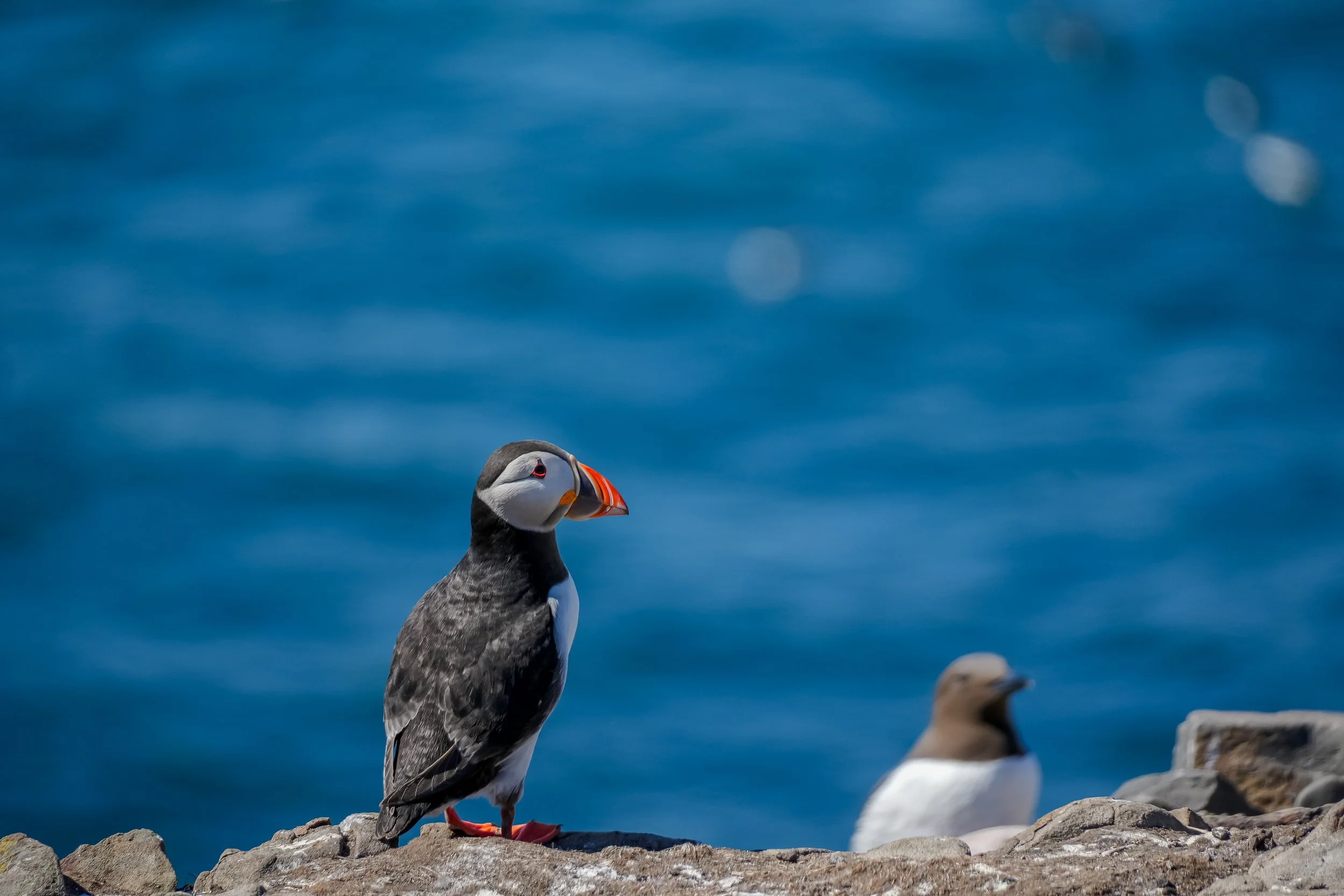
I spent a good while trying to photograph puffins in flight. Nineteen were good. Eighty‑two were rejected. Puffins are small, fast, and unpredictable — not ideal subjects for handheld telephoto work.
But the island was beautiful, and soon I found myself among huge colonies of puffins, Arctic terns, and guillemots. It’s the kind of place that makes you ask: have you ever stood somewhere so alive that you felt like a guest in someone else’s world?
Reflections on Northumberland
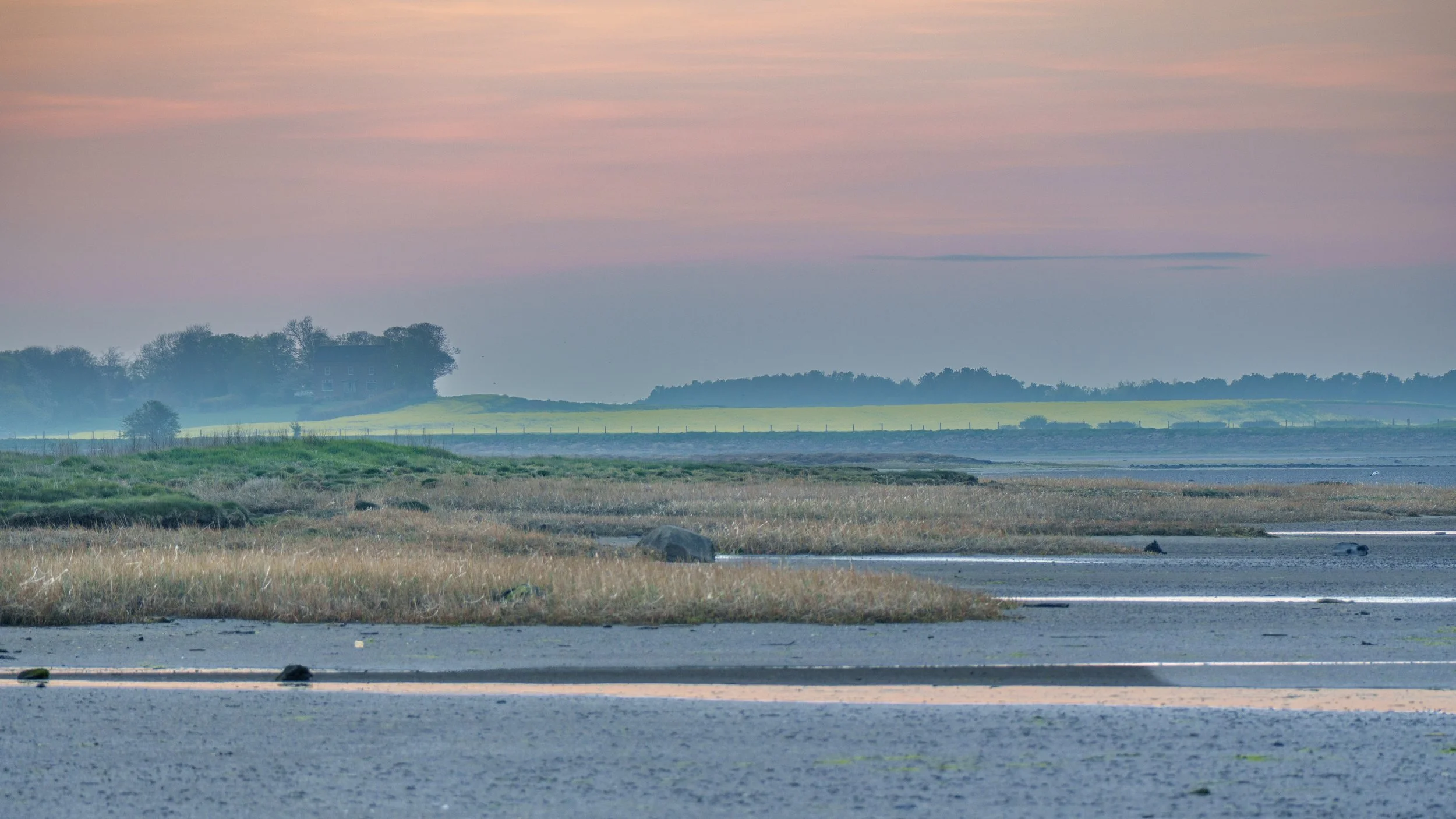
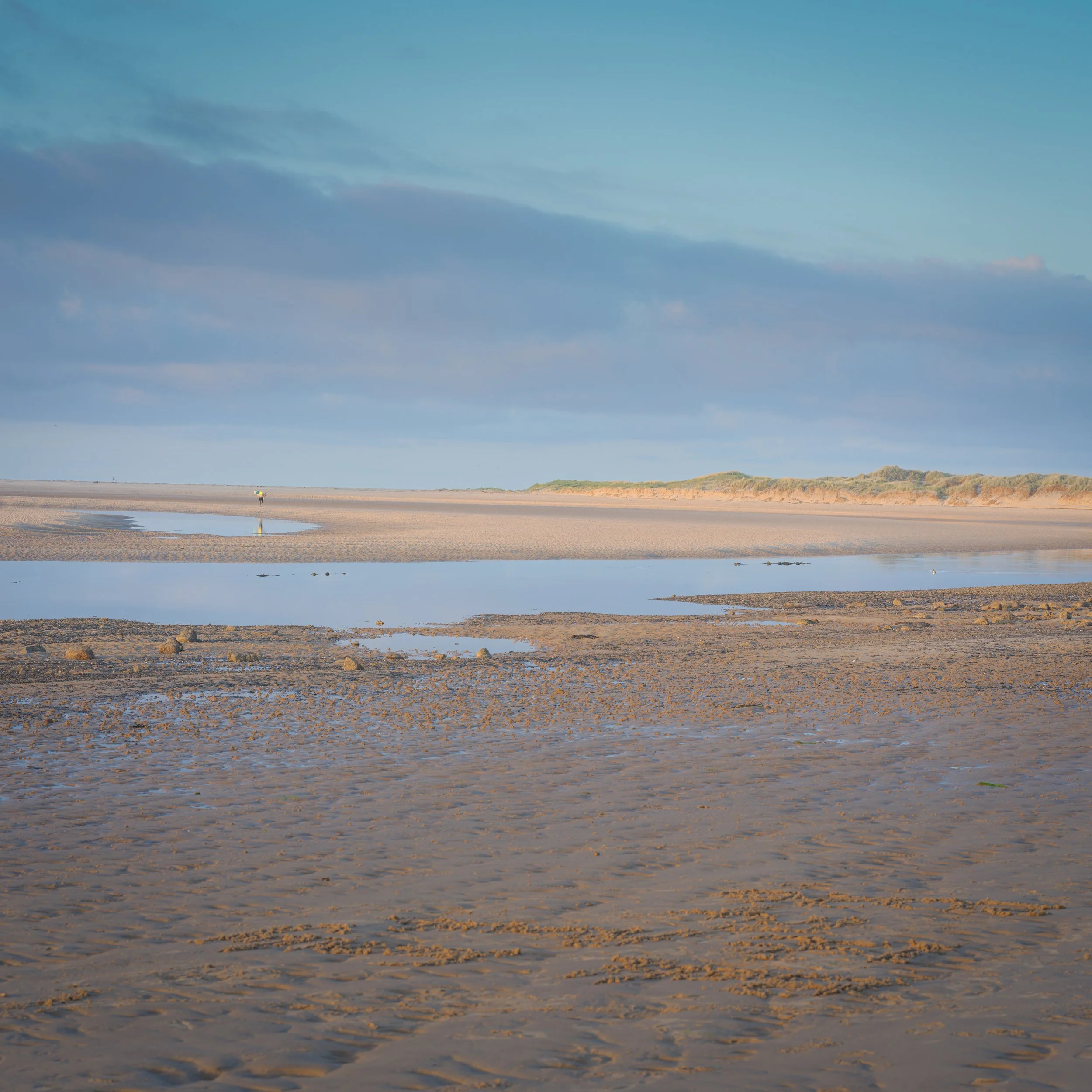
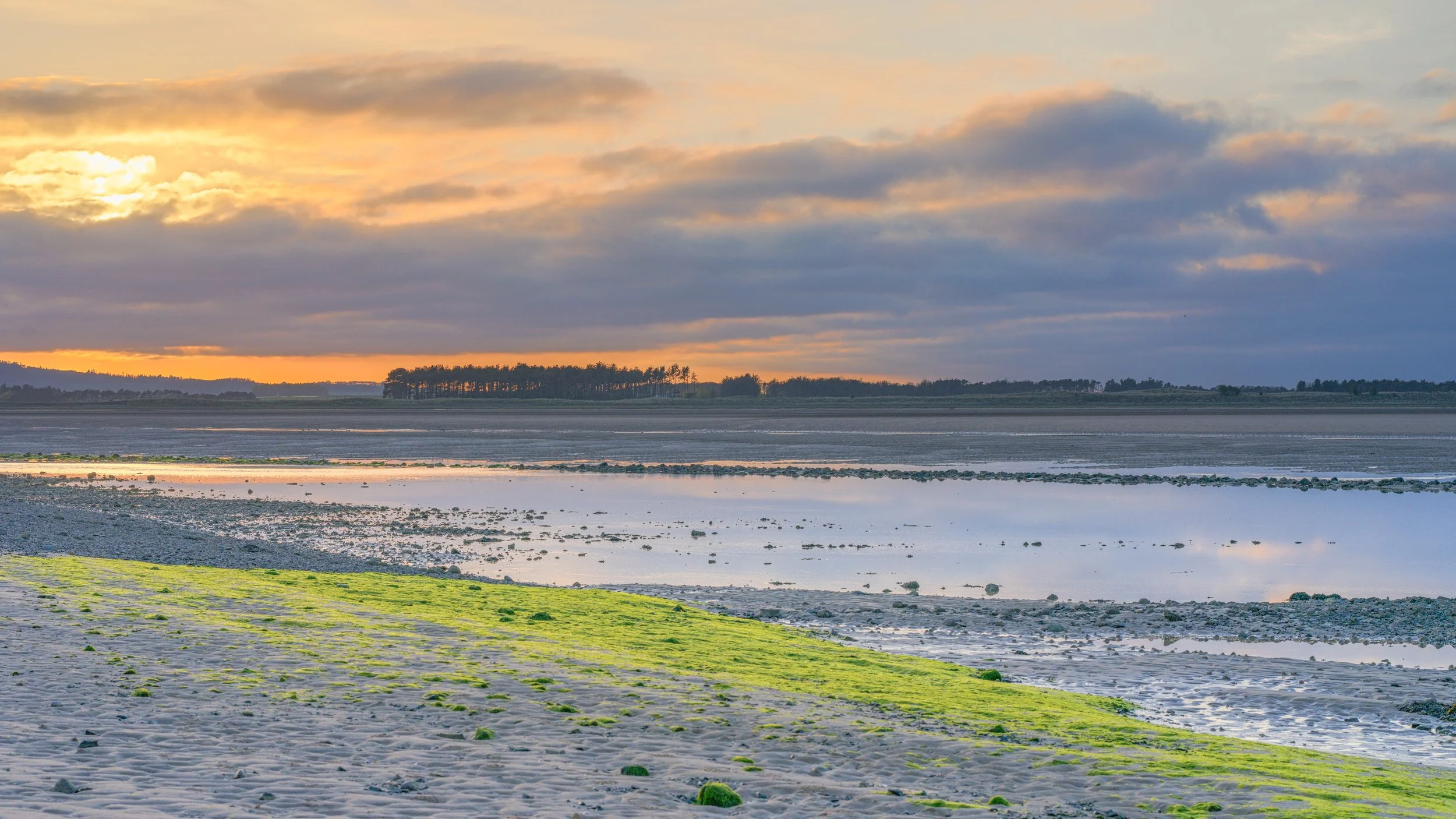
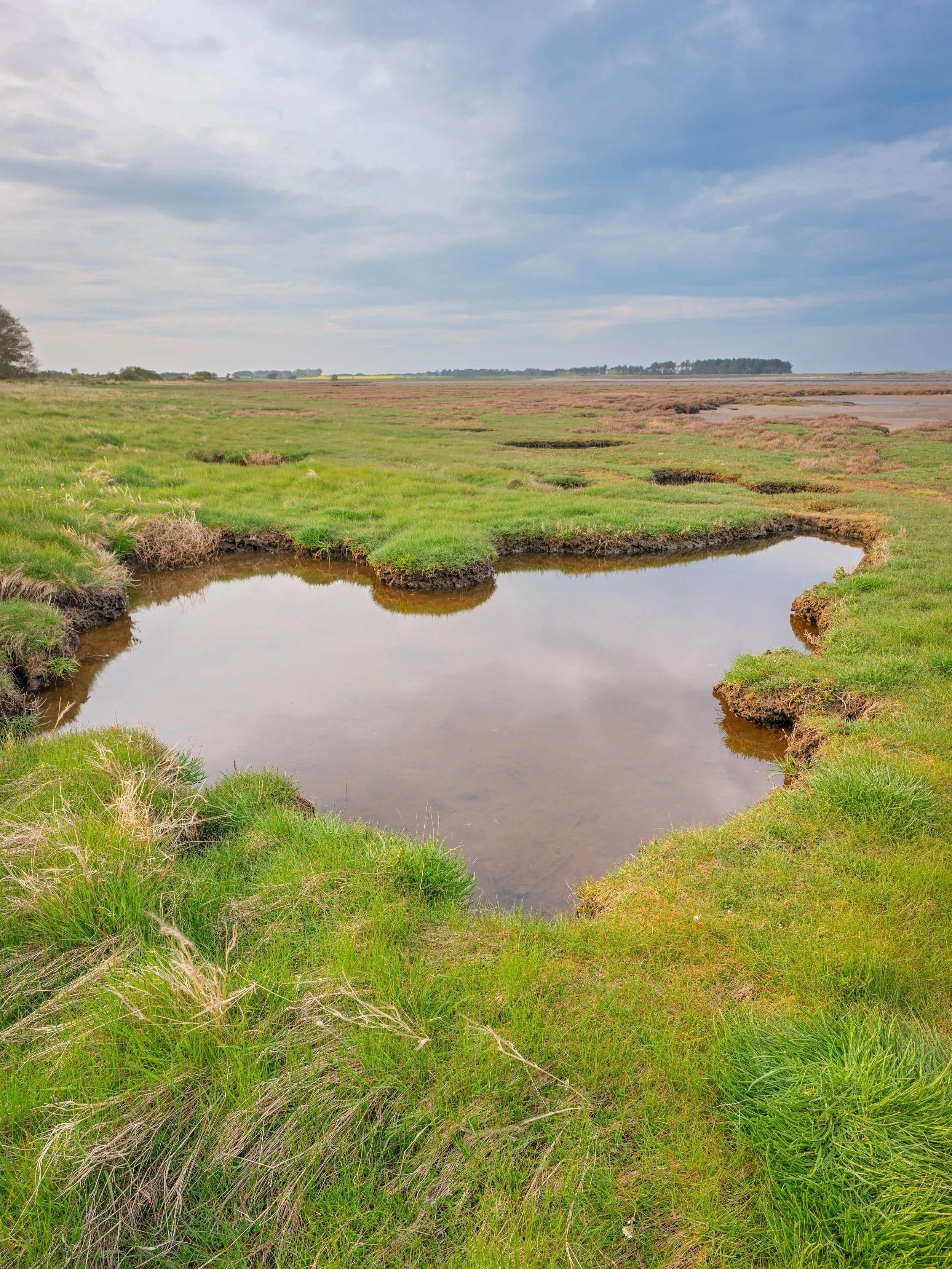
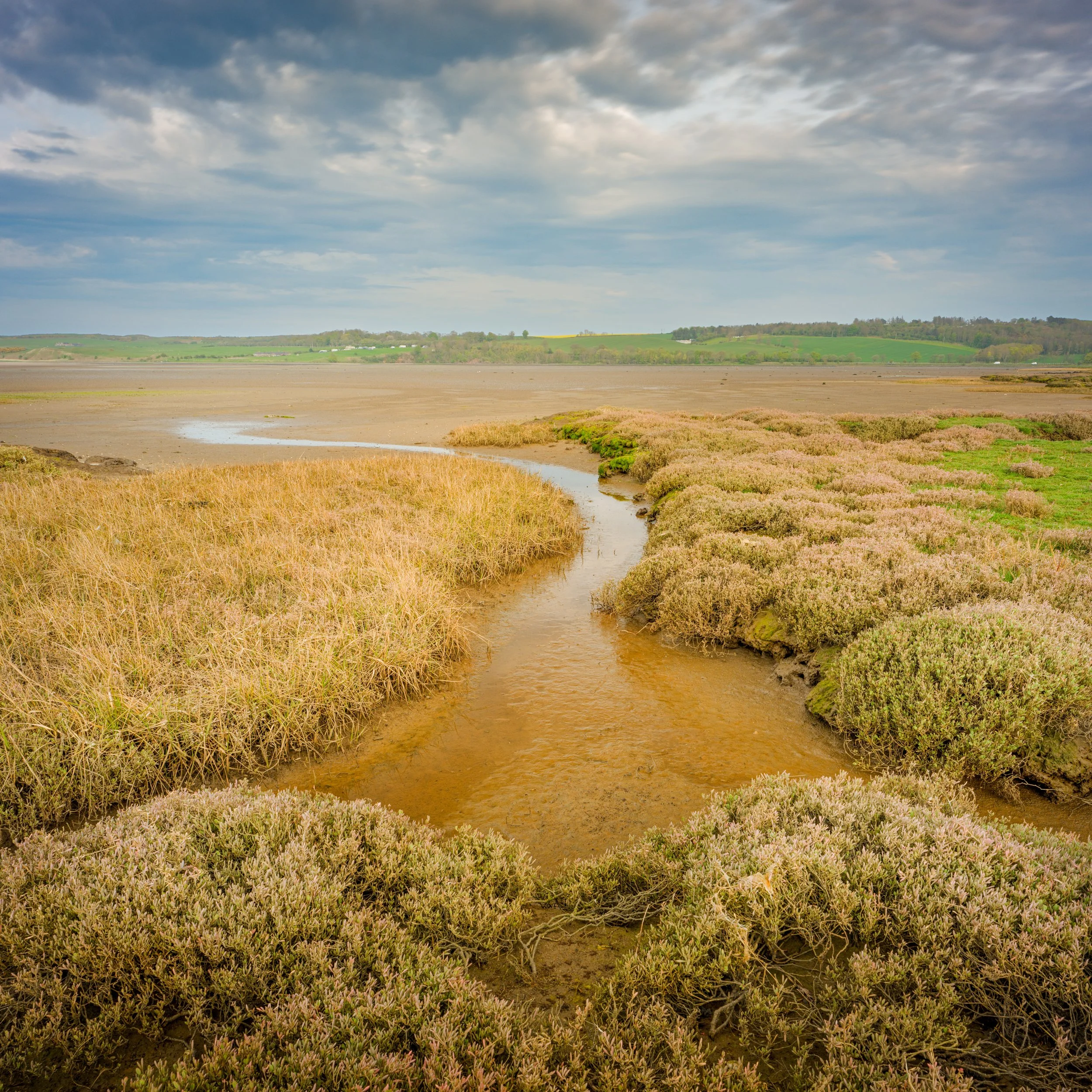
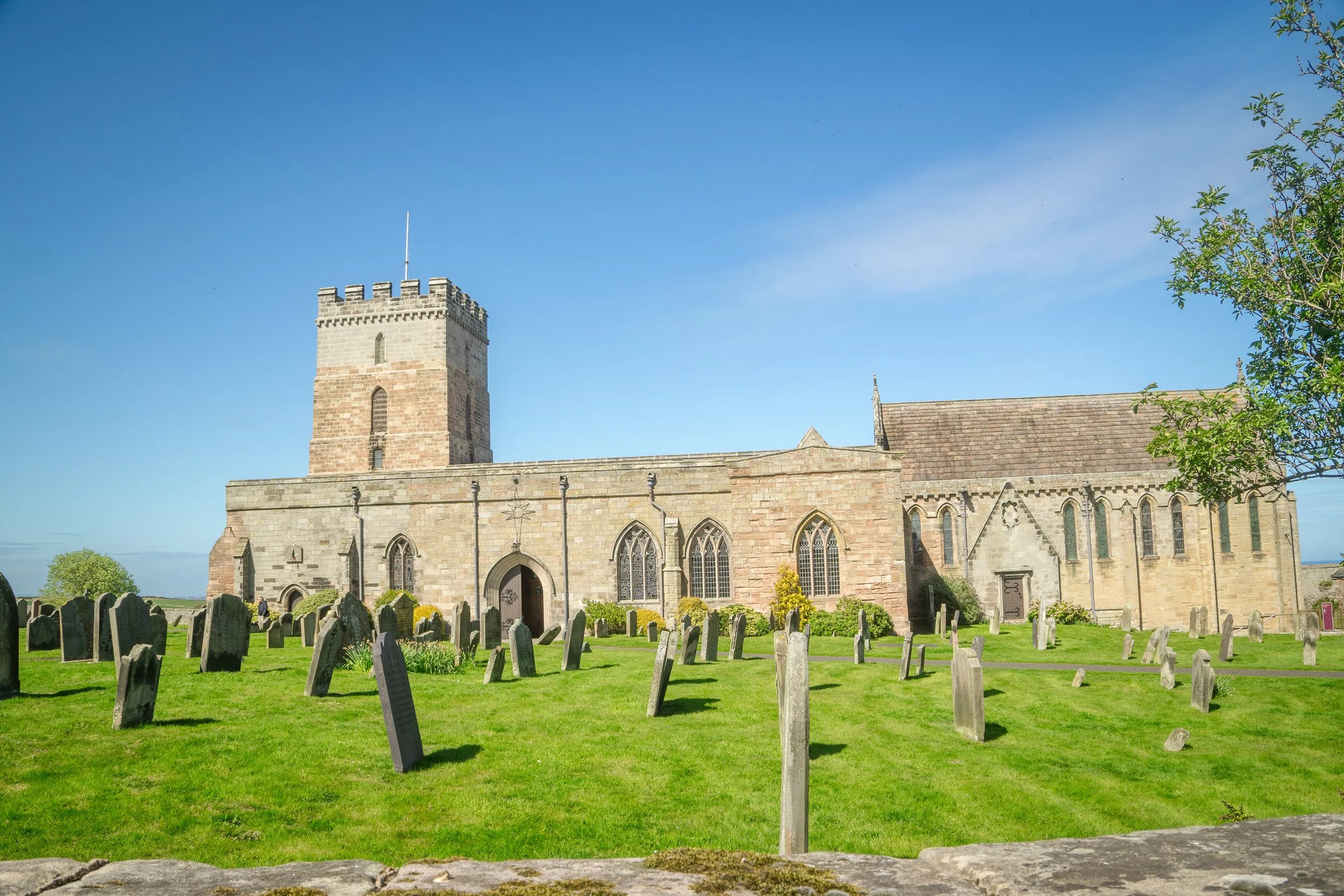
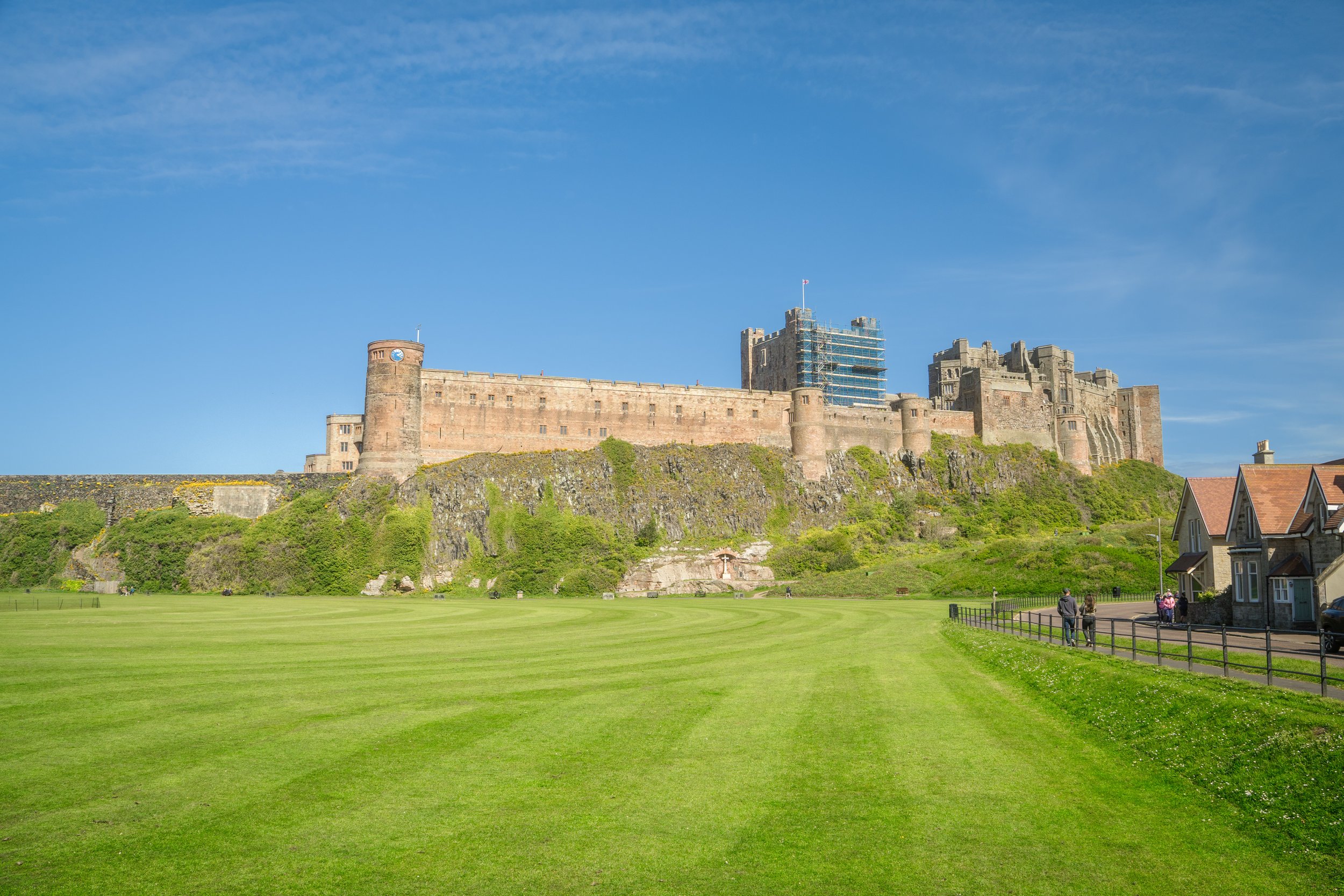
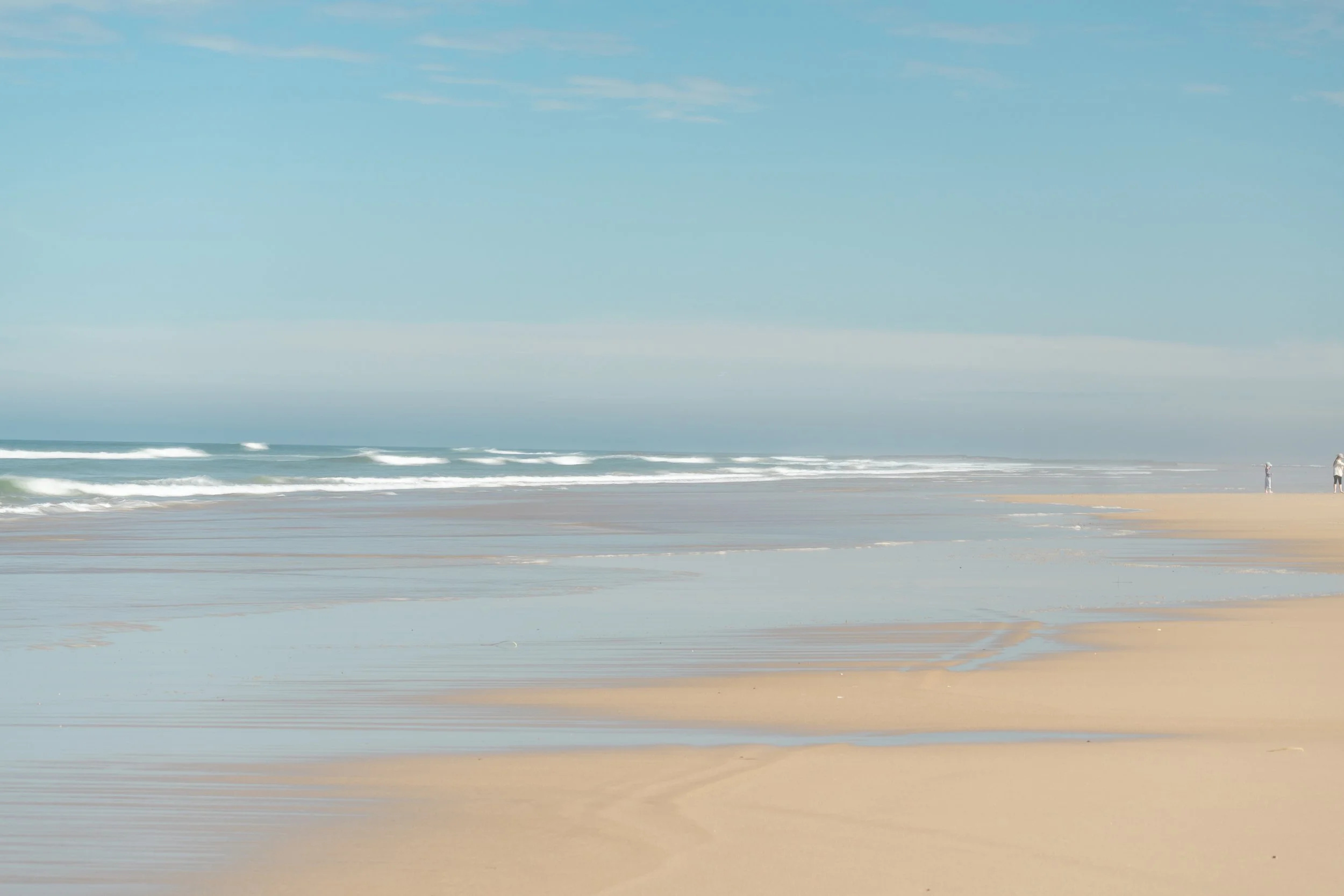
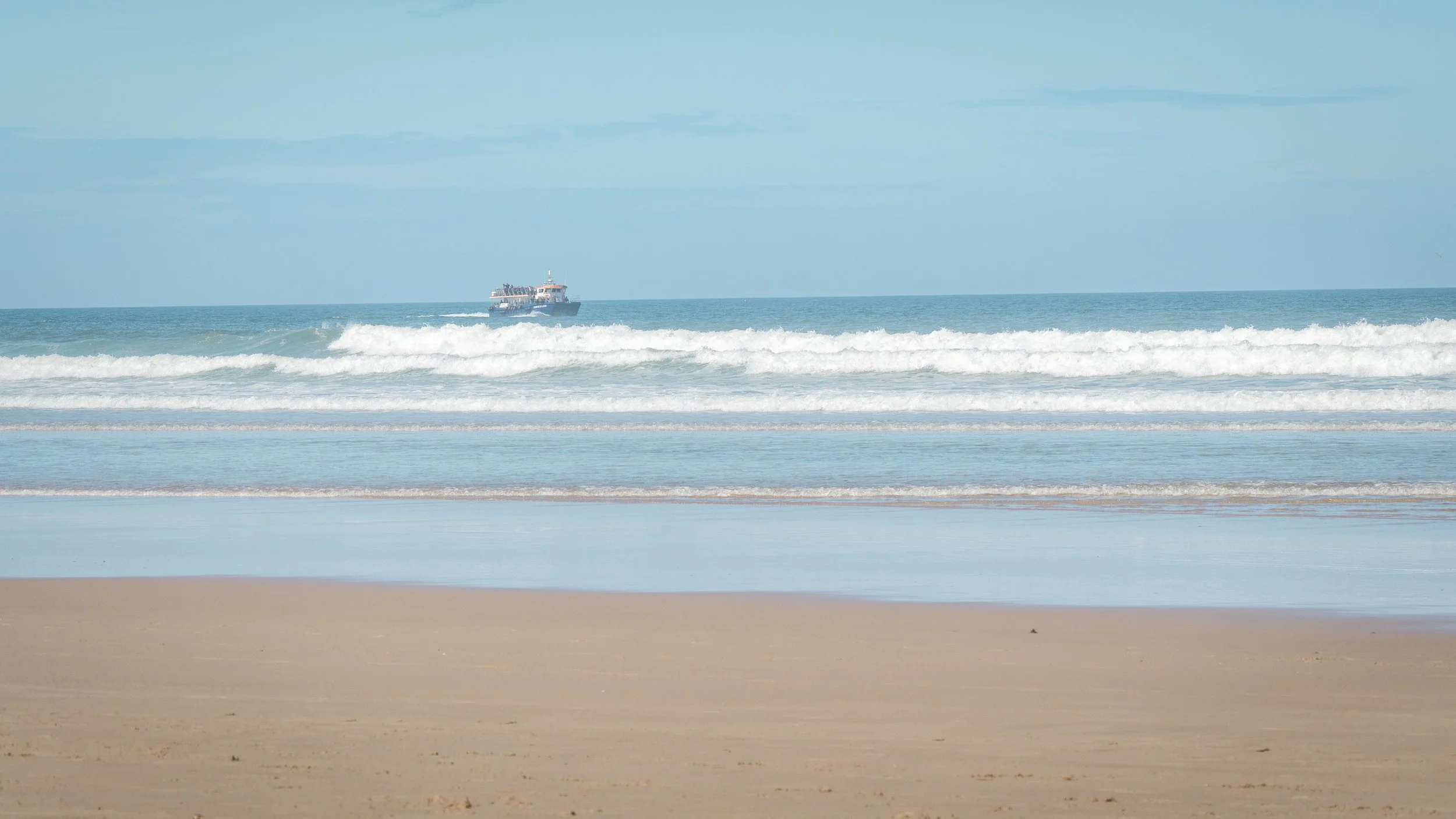
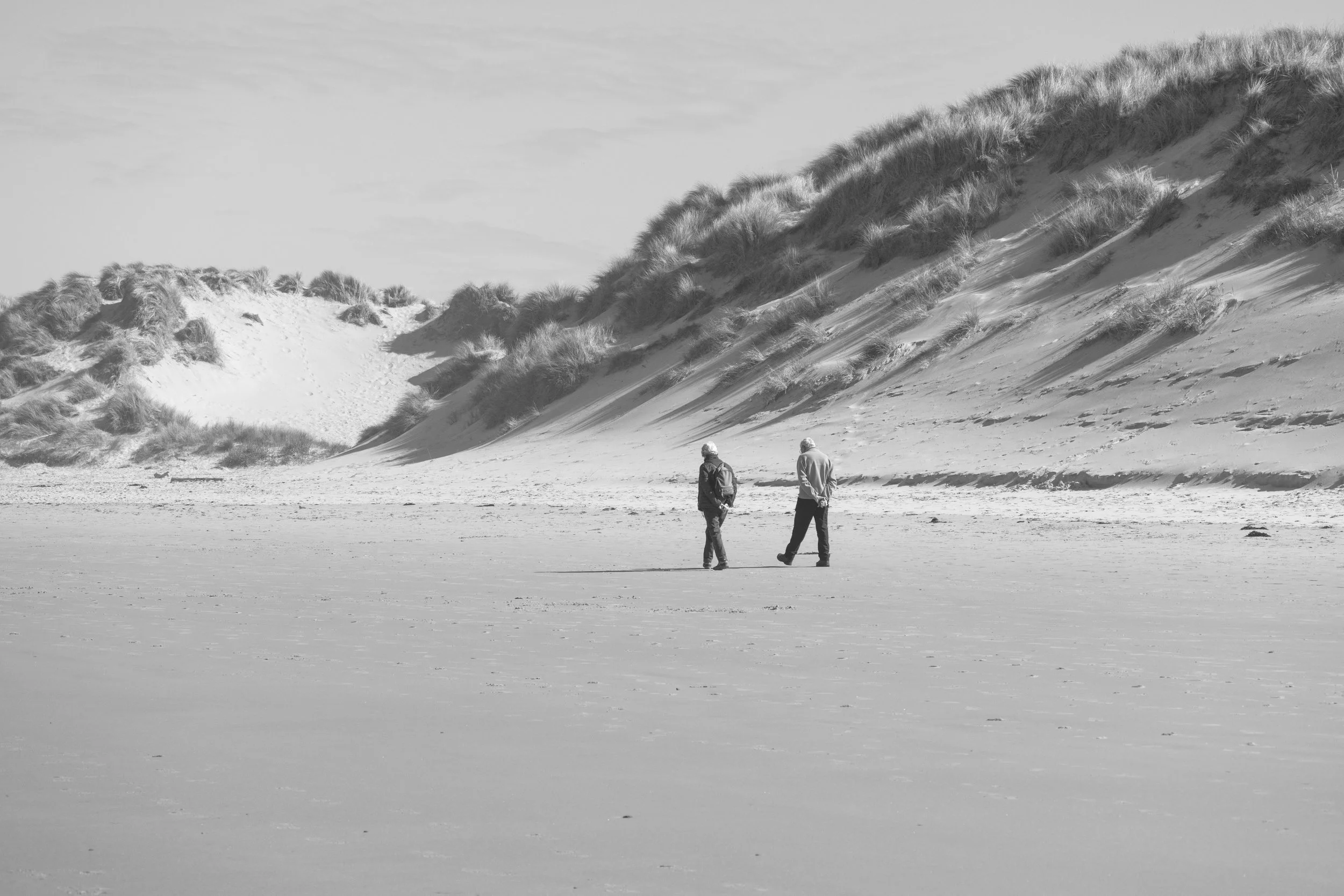
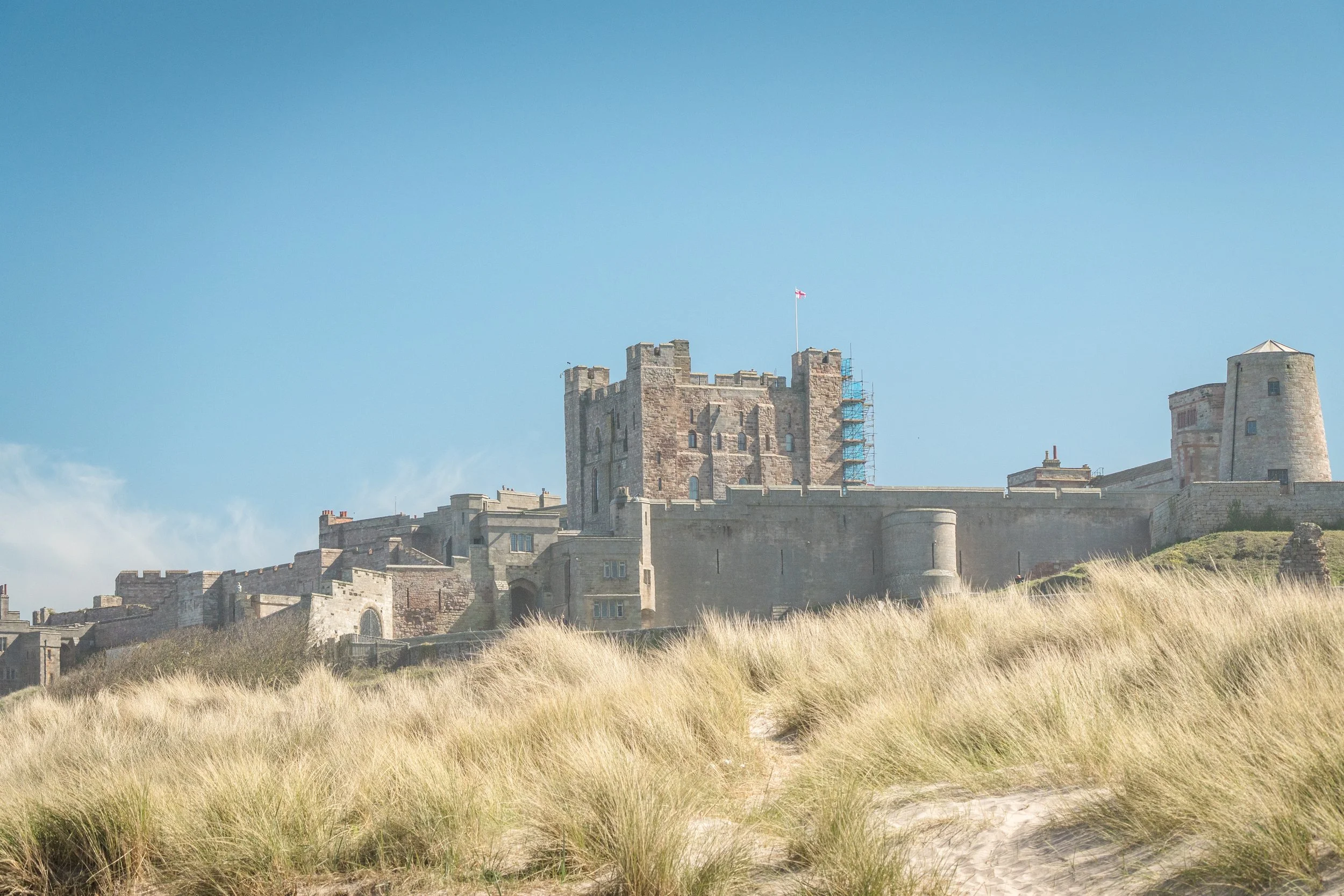
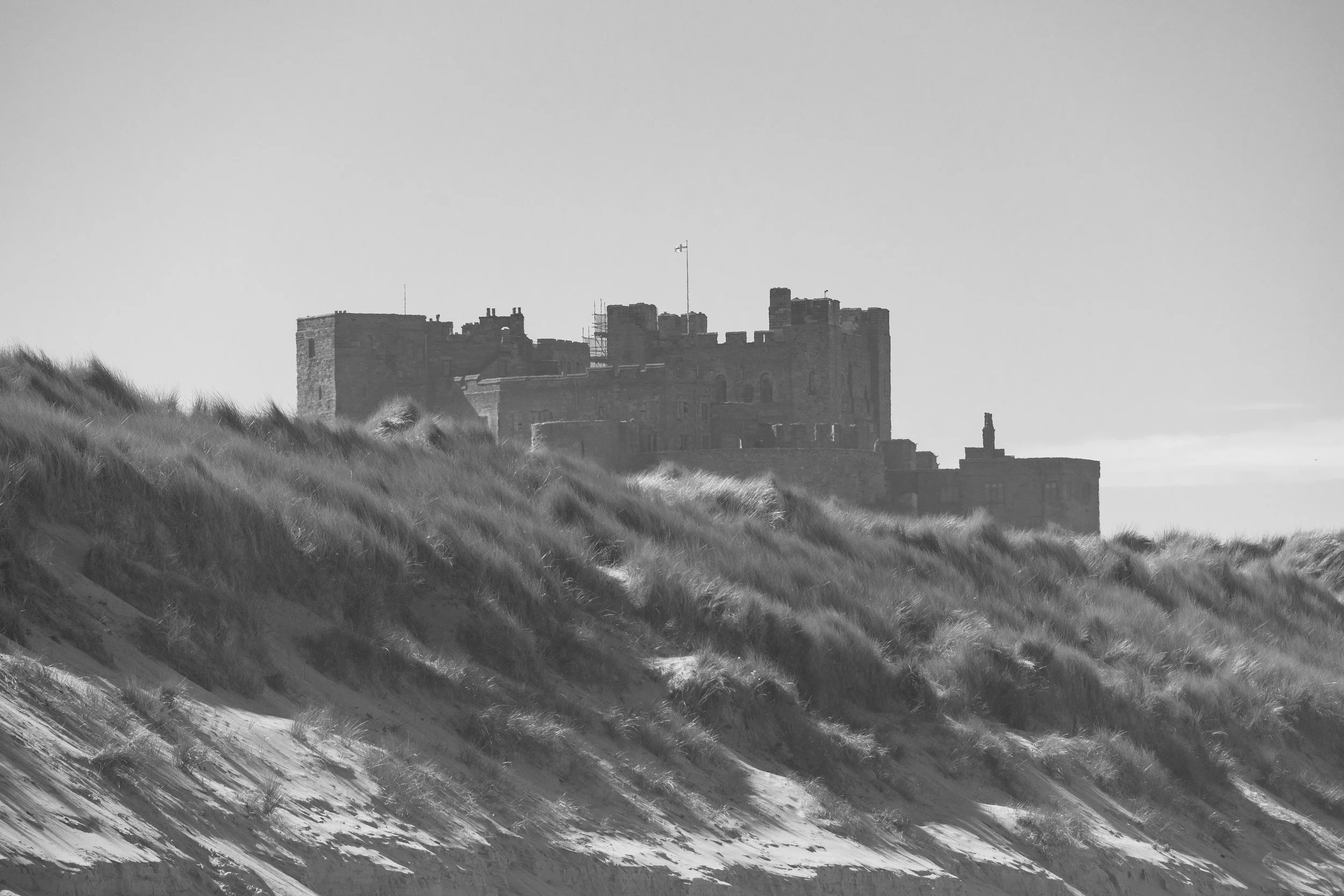
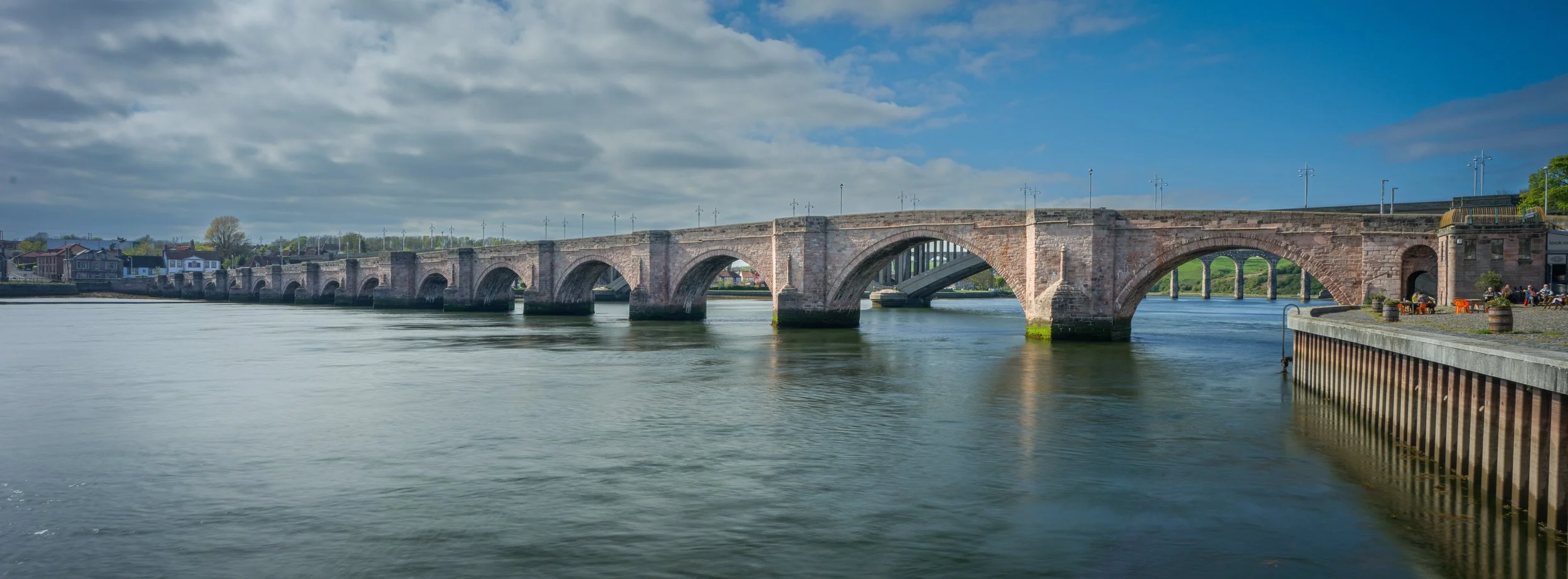
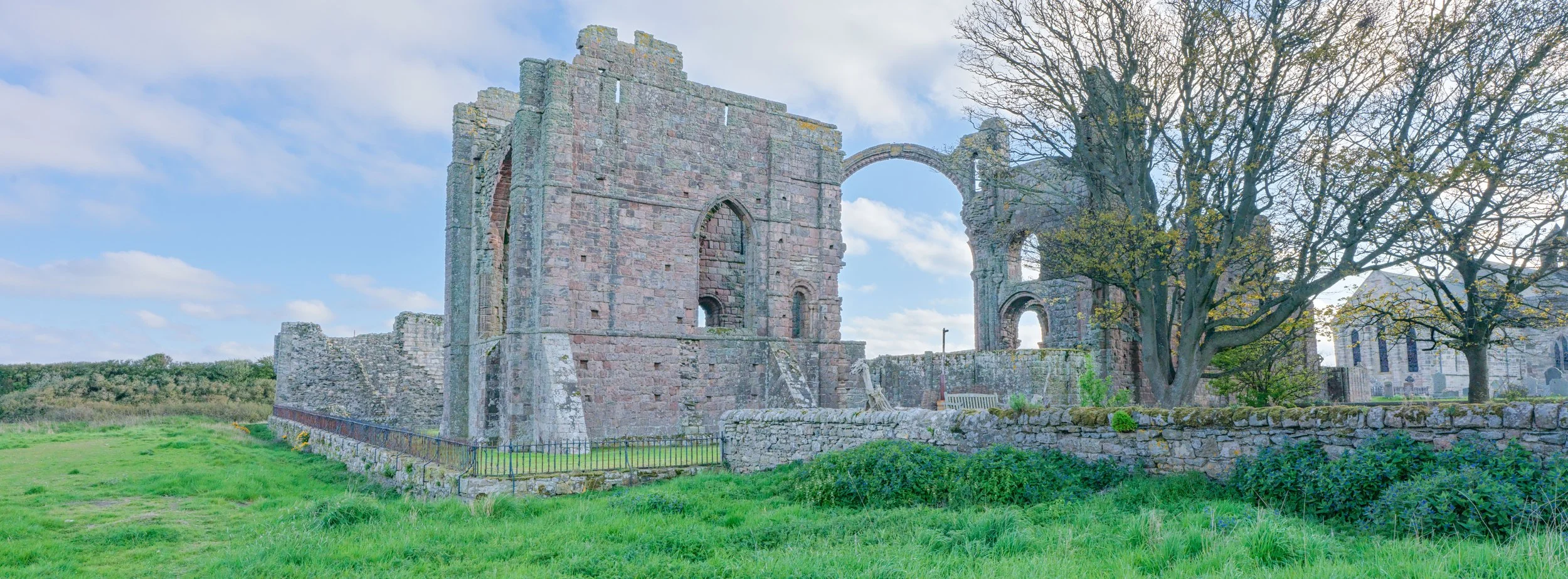
This trip to the Farnes was the perfect finale to my time in Northumberland — a region that had given me tranquil mornings at Budle Bay, sweeping sands at Bamburgh Beach, and the historic charm of Berwick‑upon‑Tweed with its three iconic bridges.
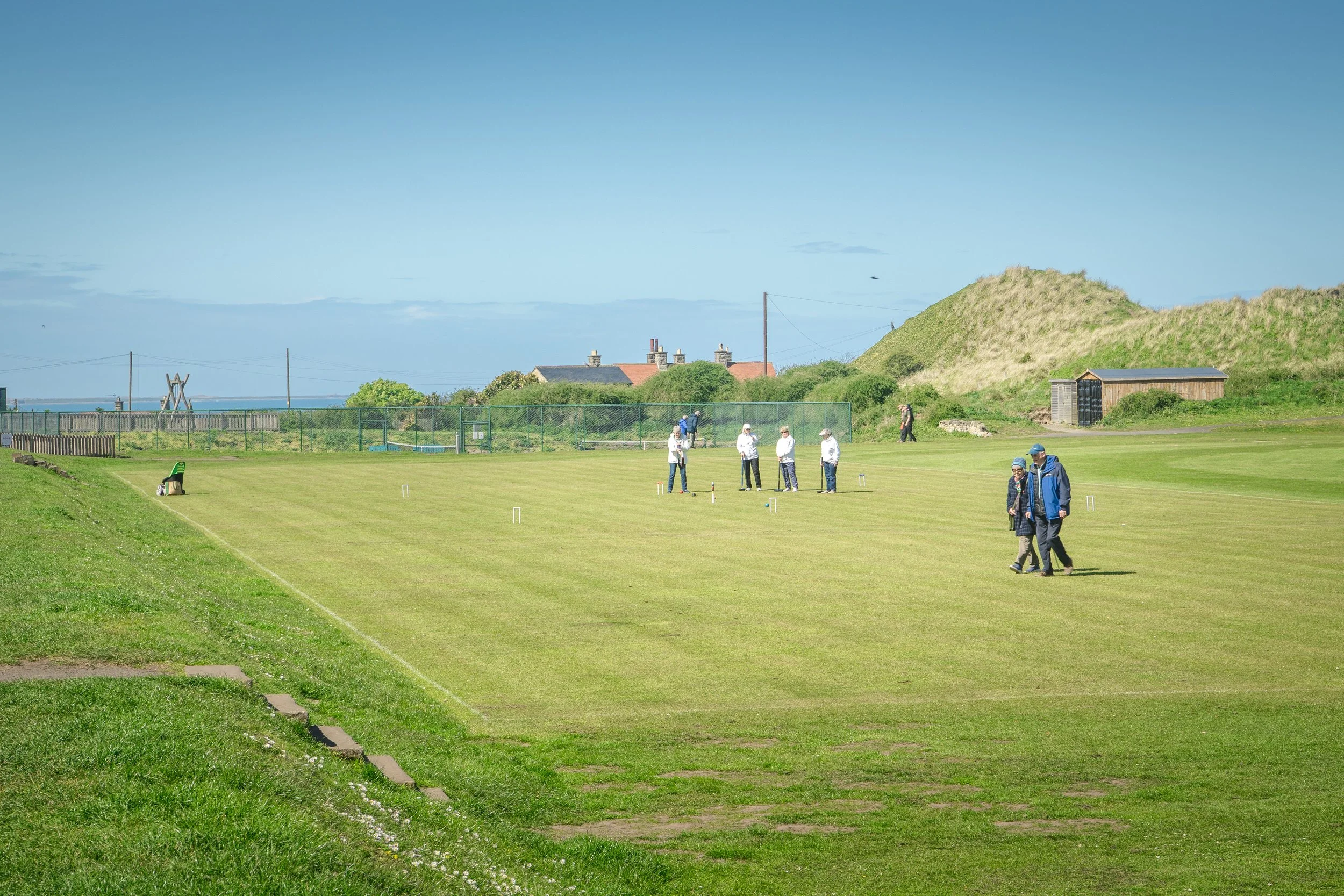
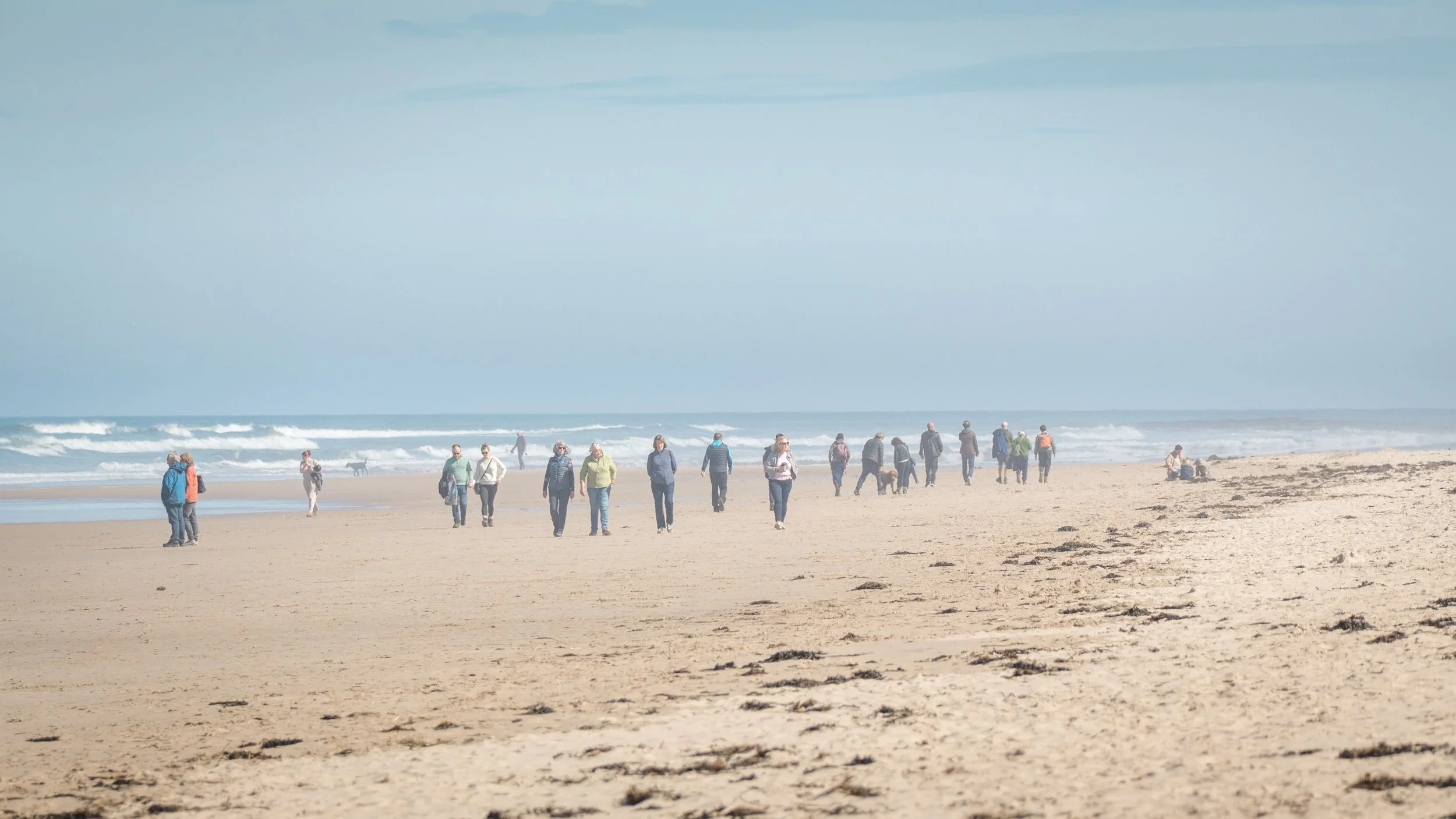
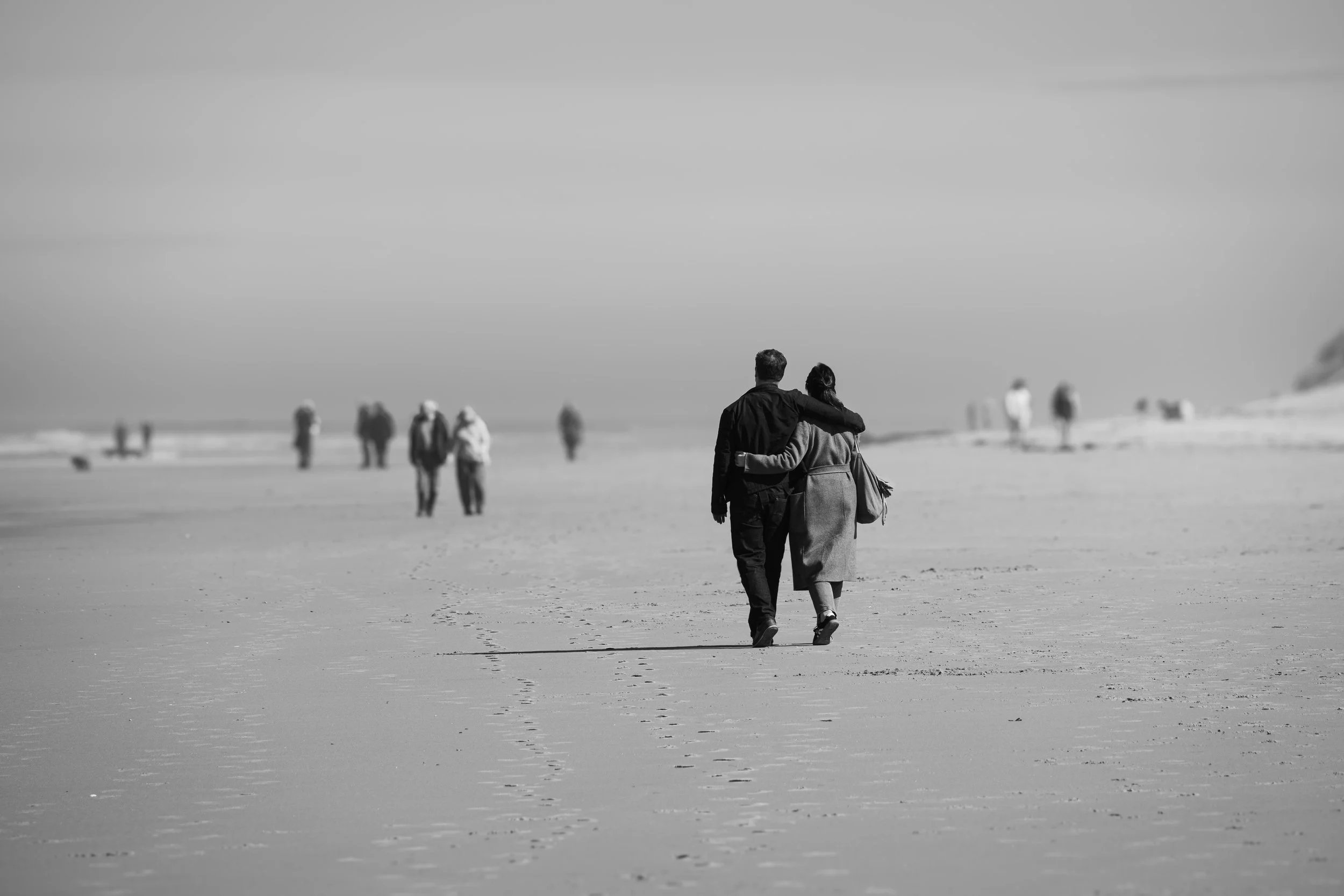
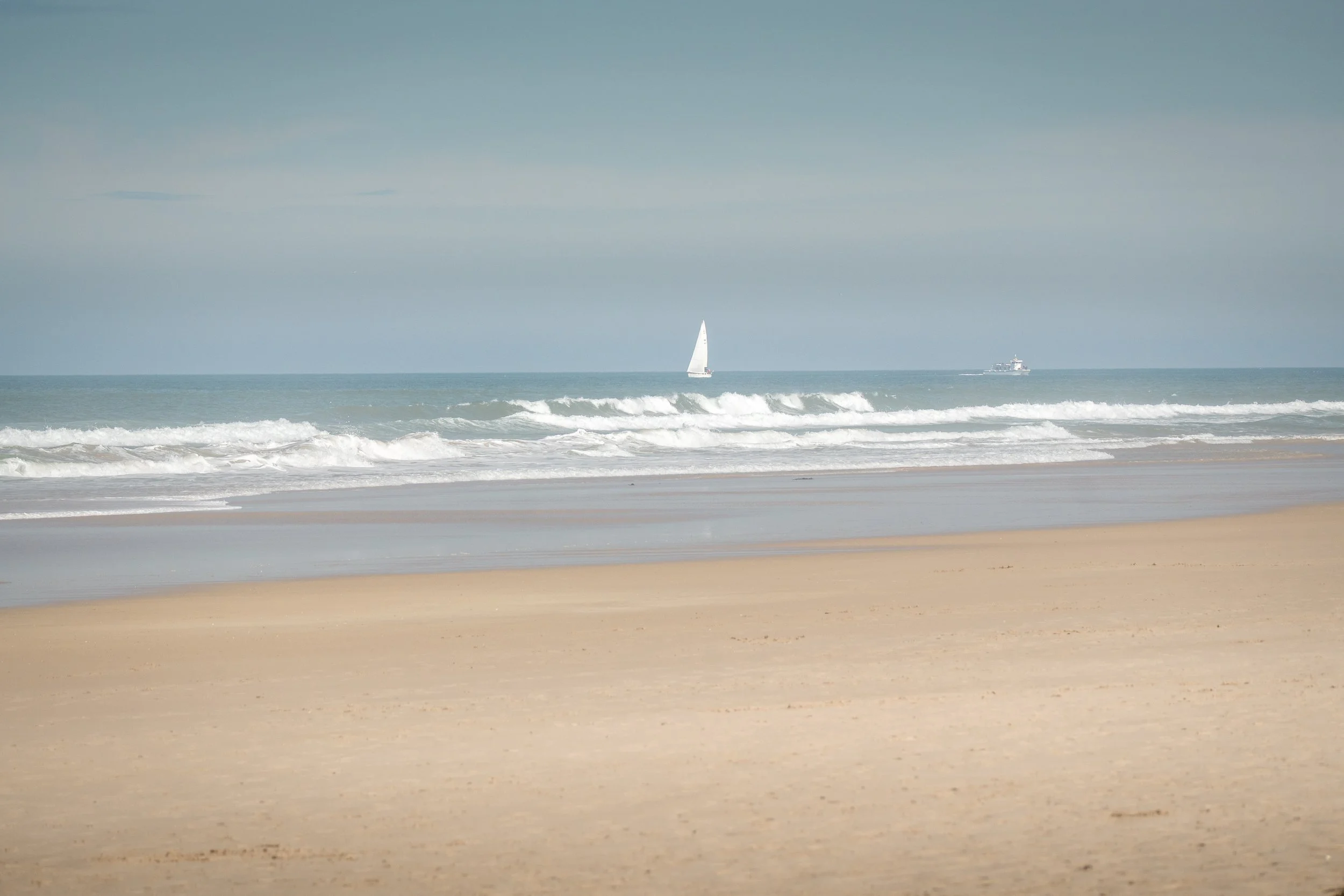
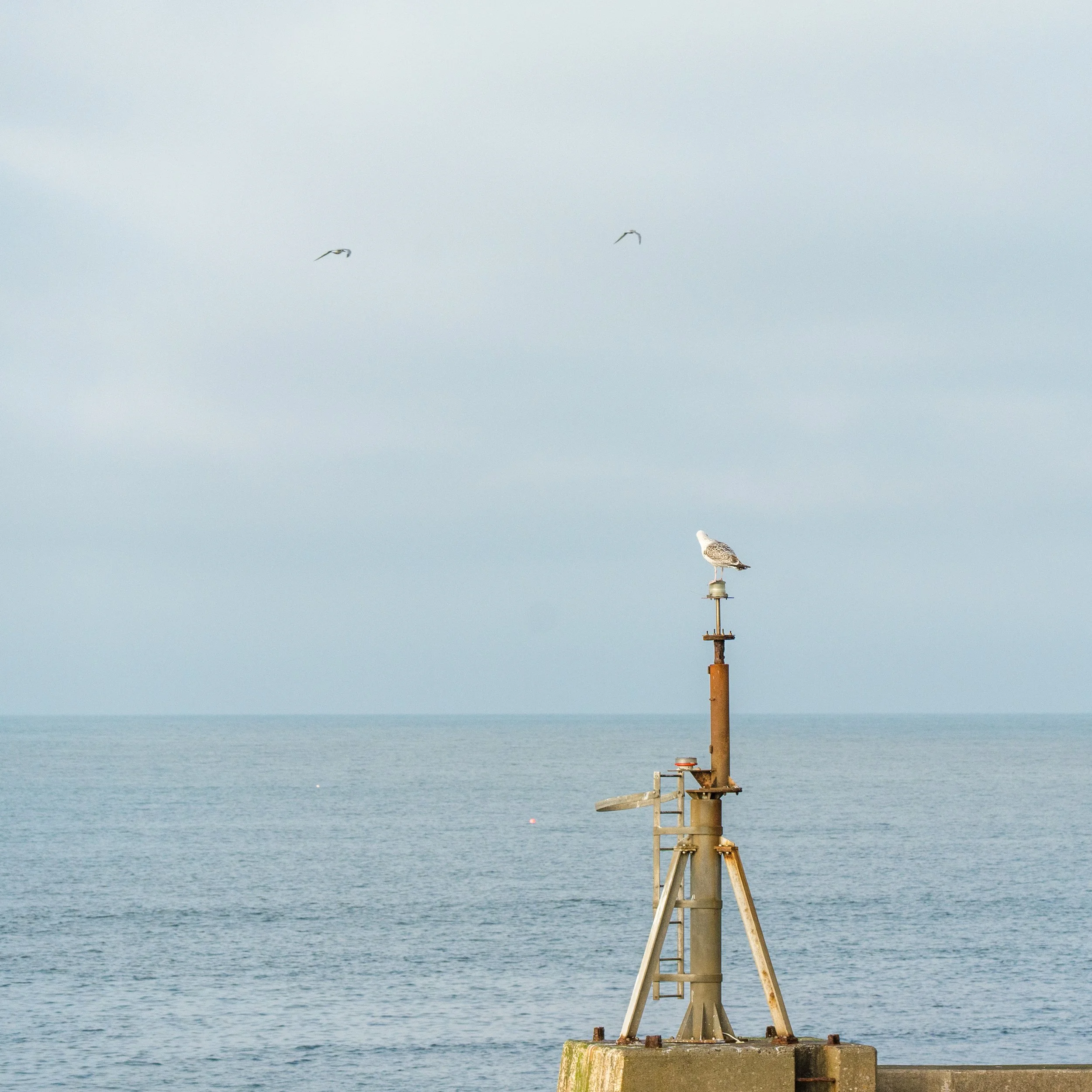
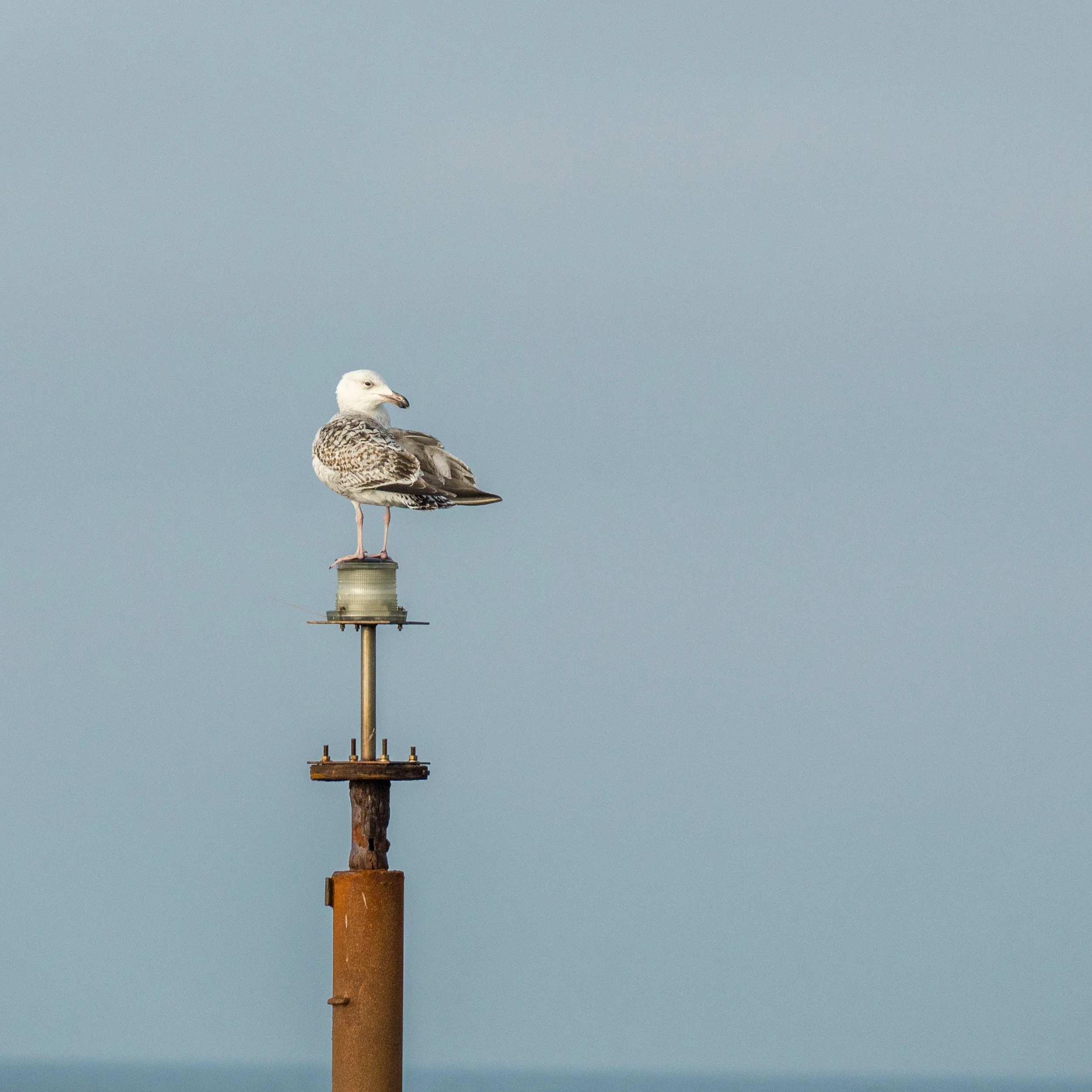
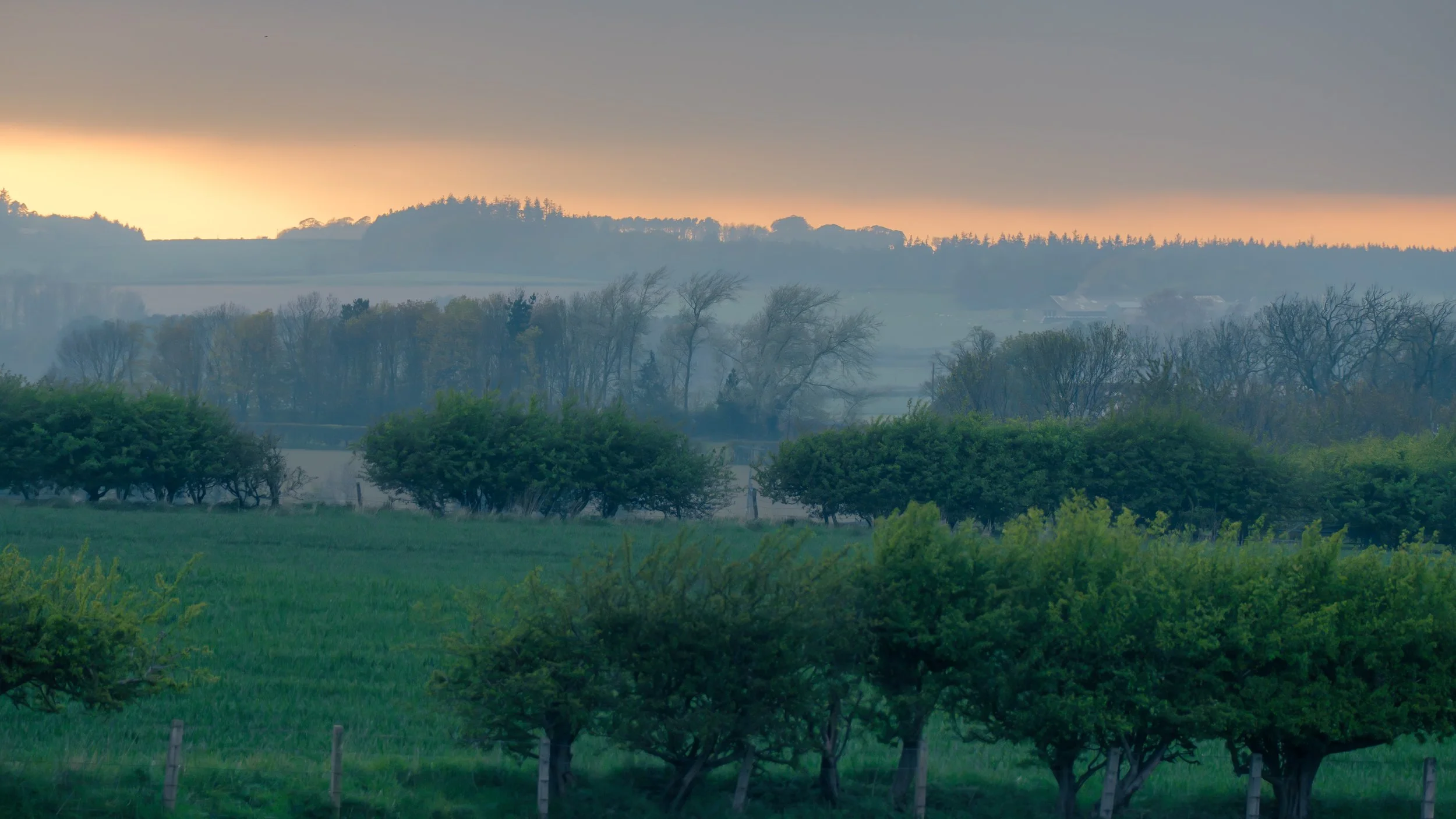
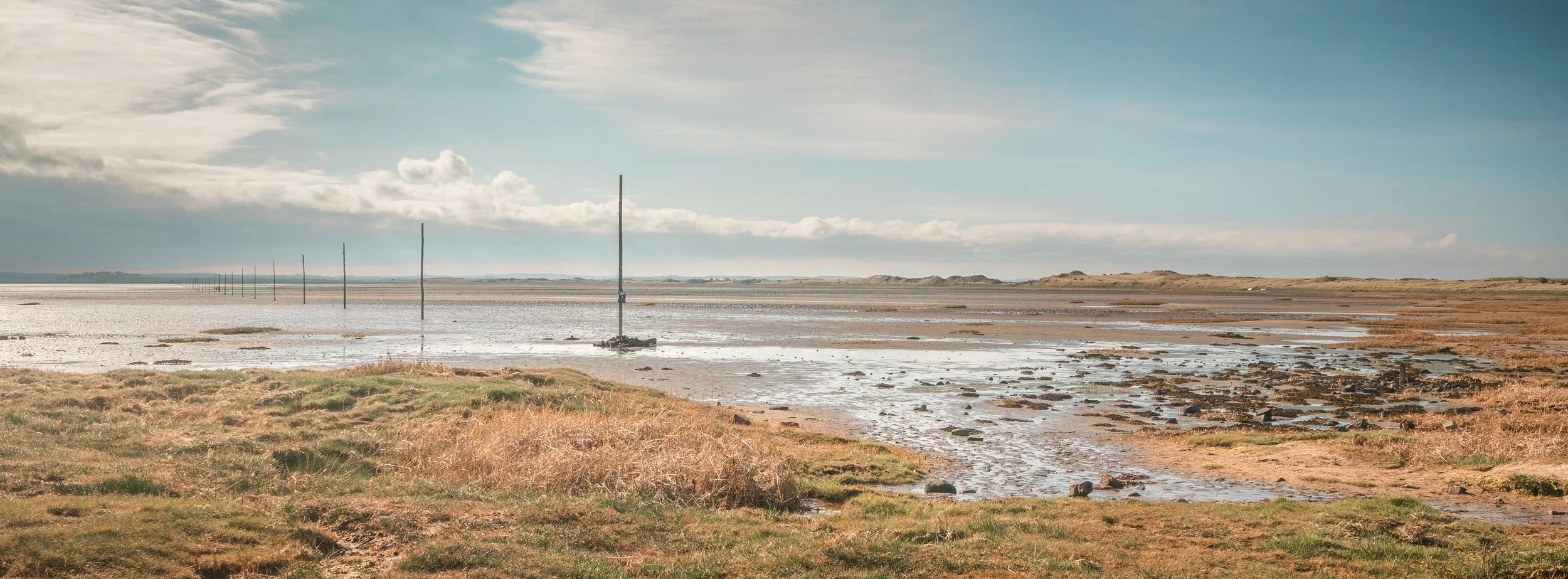
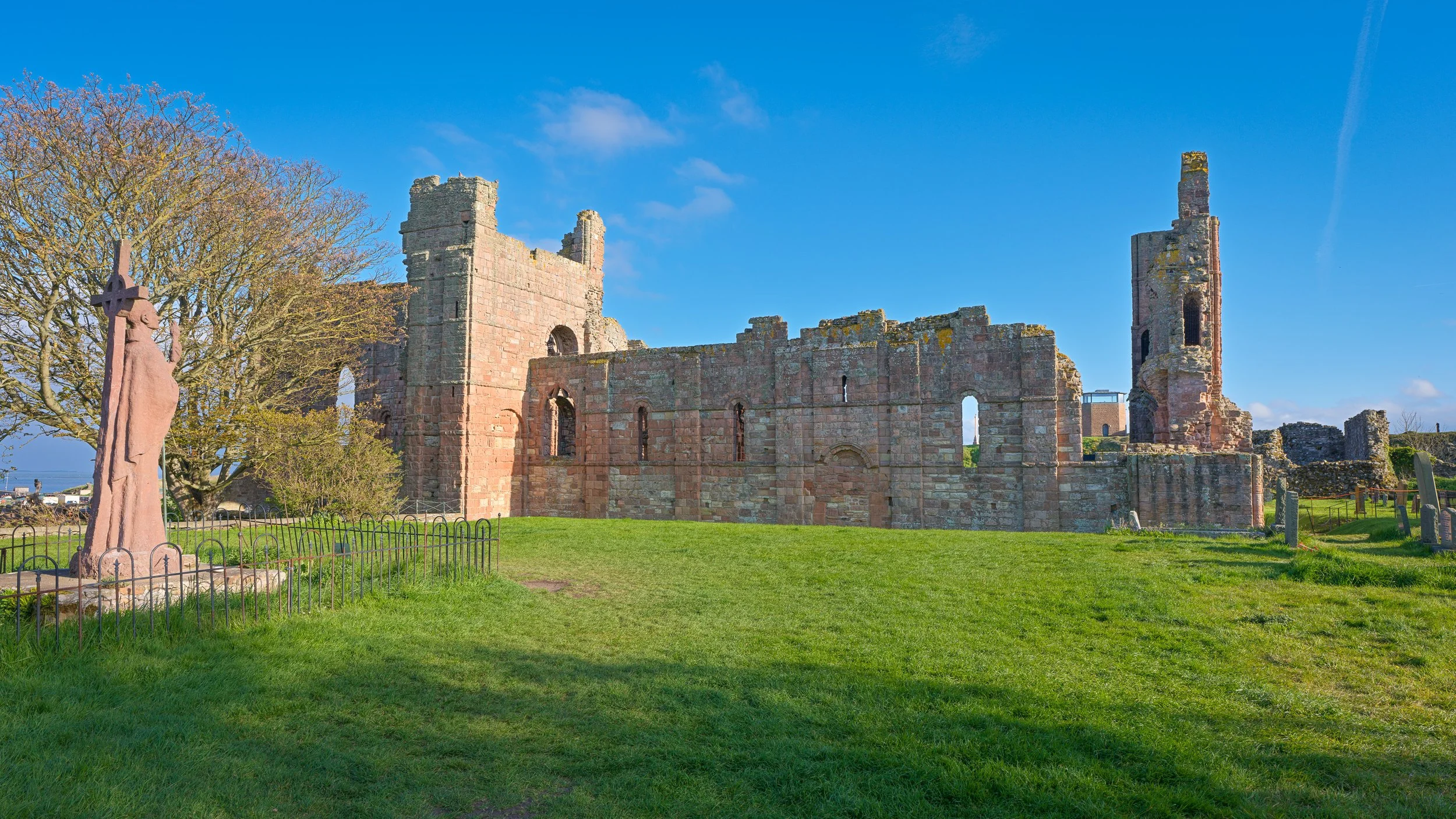
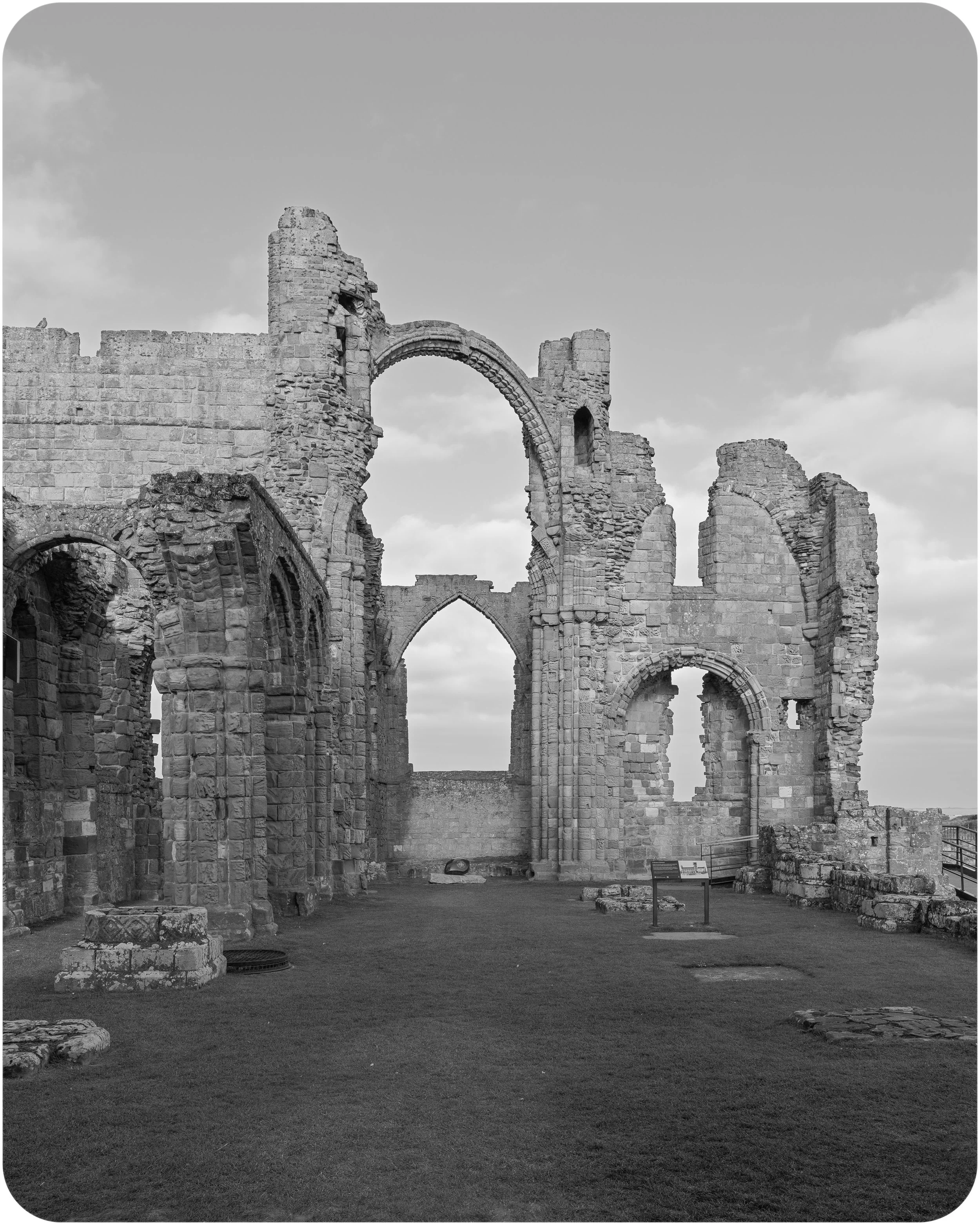
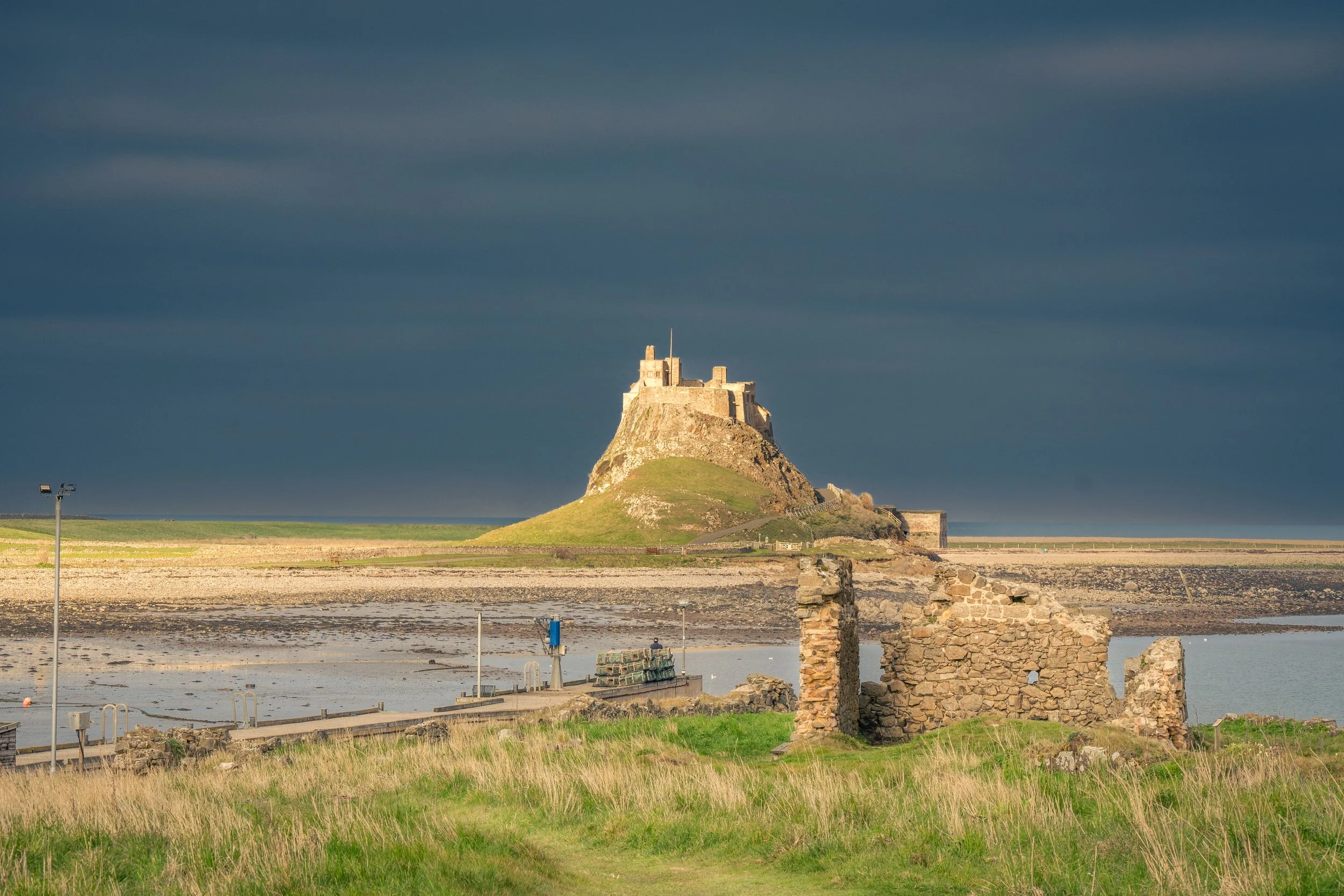
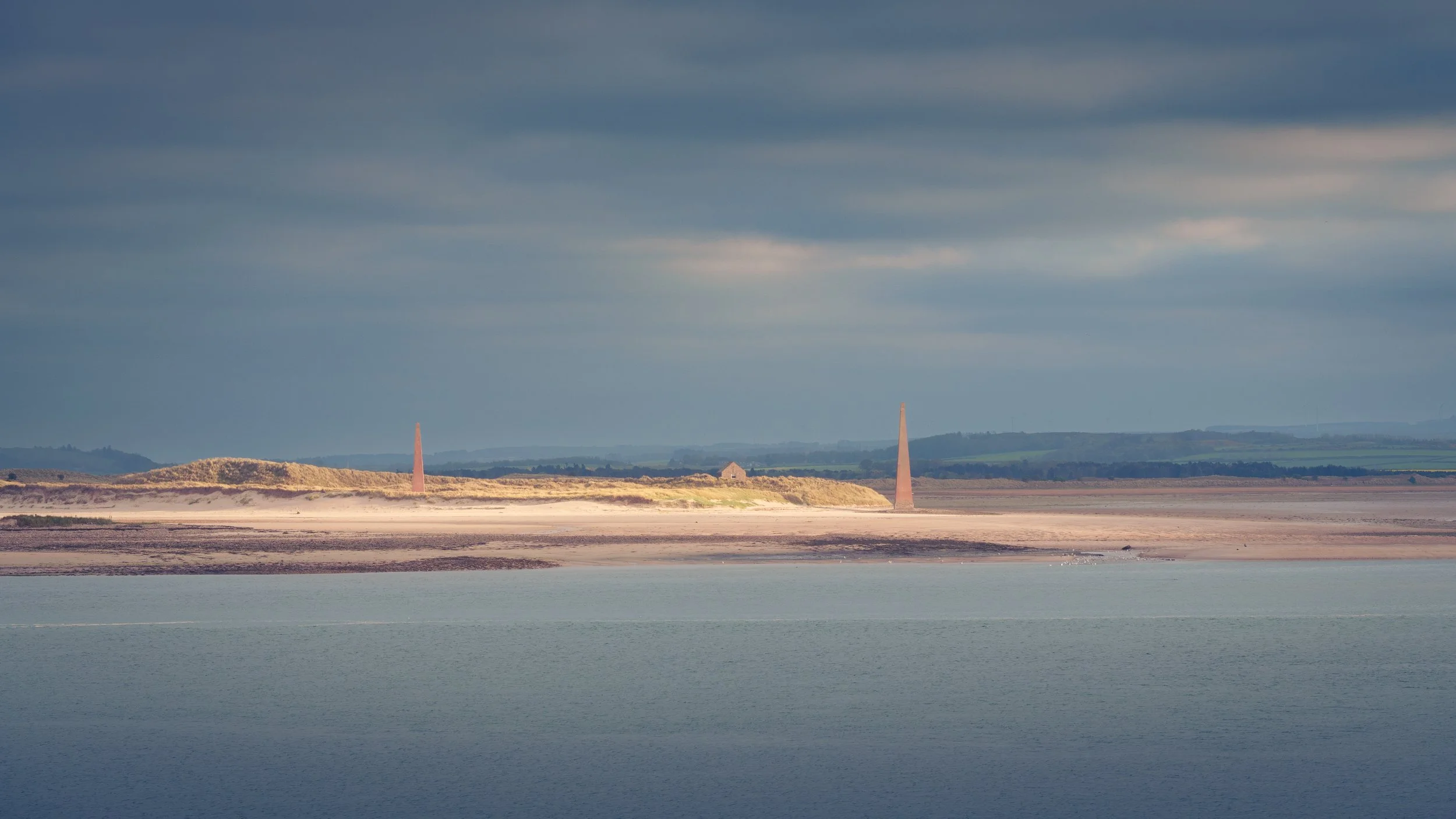
Holy Island was a highlight too — Lindisfarne Castle basking in the evening sun, the needles at Guile Point standing like sentinels at the edge of the sea. Northumberland has a way of slowing time, of reminding you that beauty doesn’t need to shout to be heard. Here are some of my favourites from the entire trip:
Watch the Full Adventure
You can watch the full Farne Islands adventure — including puffins, seals, lighthouses, and mild boomer chaos — in my YouTube video here:
Or why not start from the beginning and watch my Northumberland playlist.
Whatever you do, thanks for reading so far and catch you soon!
John